 FR
FR  EN
EN  RU
RU  ES
ES  AR
AR  PT
PT  IT
IT  ID
ID  KO
KO  TR
TR  DE
DE  VN
VN  TH
TH  IN
IN  JA
JA  ZH
ZH  MS
MS 
Entrez dans n'importe quel supermarché, et vous manipulerez au moins trois types différents de sacs en plastique avant d'arriver à la caisse : le sac transparent pour les fruits et légumes, le sac de courses en plastique froissé à la caisse, et peut-être un sac de congélation refermable qui vous attend à la maison. Ils ressemblent tous à des « sacs en plastique », mais ce sont des produits fondamentalement différents : des matériaux différents, des structures différentes, et fabriqués sur des chaînes de production totalement distinctes.
Il est important de bien comprendre ces différences, que vous soyez responsable des achats chargé de choisir les emballages d’une marque alimentaire, propriétaire d’une usine devant décider quels types de sacs produire, ou simplement quelqu’un qui souhaite savoir ce qu’il achète réellement. Ce guide aborde tous les aspects essentiels : les polymères qui déterminent le toucher et les performances d’un sac, les conceptions structurelles qui dictent son fonctionnement, les procédés de fabrication propres à chaque type, ainsi que la question pratique du choix du sac le mieux adapté à chaque usage.
Types de matériaux — Comprendre les polymères des sacs en plastique
Le polymère n’est pas simplement un « choix de matériau » : il détermine le toucher du sac, sa résistance, sa tolérance à la température, sa structure de coûts, et même les marchés sur lesquels vous pouvez légalement le commercialiser. Avant d’aborder les matériaux spécifiques, voici un cadre d’évaluation en quatre dimensions permettant d’analyser n’importe quel polymère utilisé pour la fabrication de sacs en plastique : performances mécaniques (force et souplesse), comportement thermique (point de fusion et température de thermoscellage), propriétés optiques (transparence et opacité), et économie (coût des matières premières et difficulté de transformation). Chaque matériau présenté ci-dessous est évalué selon ces quatre critères.
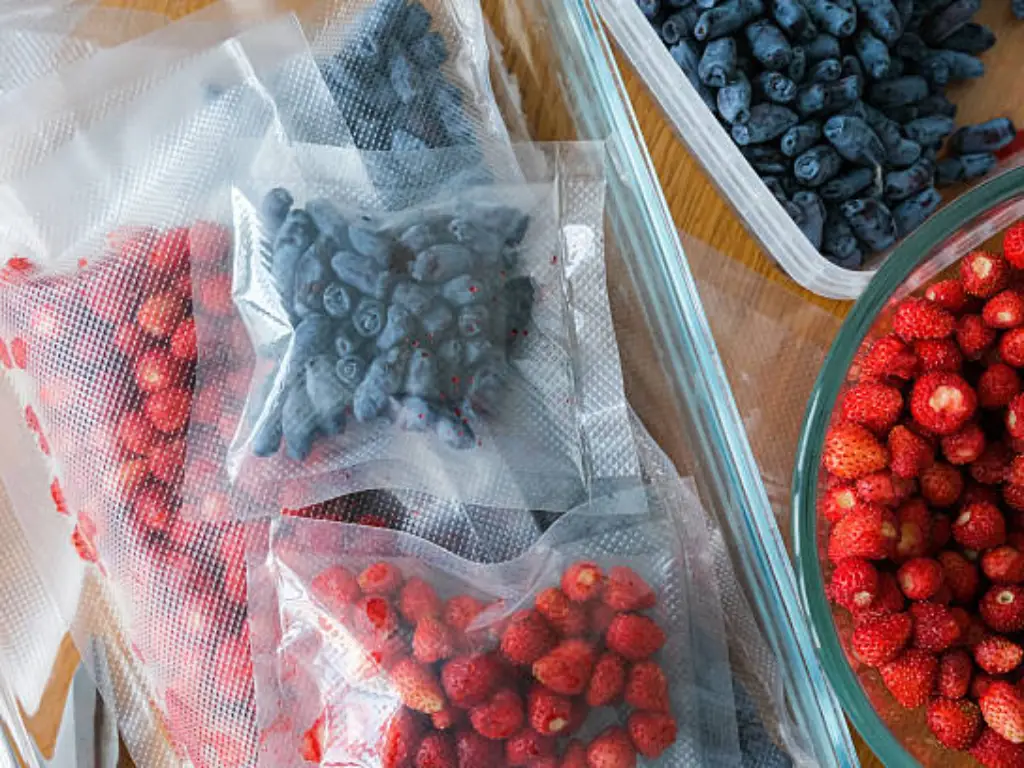
HDPE (polyéthylène haute densité) — Le matériau incontournable des sacs en plastique
Le PEHD est le matériau le plus couramment utilisé pour fabriquer les sacs en plastique dans le monde — et c'est sans doute celui que vous avez utilisé aujourd'hui. C'est ce matériau craquant, légèrement froissé et semi-transparent qui compose les sacs à maillot de bain vendus en supermarché et les sacs poubelle.
Les chiffres expliquent pourquoi. Le PEHD présente une densité comprise entre 0,94 et 0,97 g/cm³ et une limite d'élasticité en traction comprise entre 20 et 30 MPa (ASTM D4976, 2020). Il fond entre 120 et 130 °C et se cristallise entre 80 et 90%, ce qui lui confère cette rigidité caractéristique et cet aspect laiteux et givré. Avec une épaisseur de 15 à 25 microns, on obtient un sac en T-shirt standard de supermarché pouvant contenir 3 à 5 kg ; avec une épaisseur de 30 à 50 microns, il devient un sac poubelle suffisamment résistant à la déchirure pour les déchets ménagers.
La raison pour laquelle le PEHD s'impose est simple : à épaisseur égale, il est environ 3 à 4 fois plus résistant que le PEBD. Cela signifie qu'il faut moins de matière pour obtenir la même résistance, ce qui en fait l'option la plus rentable pour les applications à grand volume. Le compromis réside dans la souplesse : les sacs en PEHD sont rigides au toucher, produisent un froissement audible et n'offrent pas l'aspect transparent et haut de gamme que recherchent souvent les marques de grande distribution.
Meilleur pour : sacs de courses, sacs poubelle, emballages industriels, pour lesquels le coût unitaire et la résistance priment sur l'aspect esthétique.
LDPE (polyéthylène basse densité) — Souplesse et transparence
Si le PEHD est le « cheval de bataille », le PEBD est le « modèle de vitrine ». Doux, brillant et très transparent, c'est le matériau utilisé pour les sacs de boutique, les sacs à pain et les housses de vêtements des pressings.
La différence structurelle réside dans les chaînes polymères. La structure moléculaire hautement ramifiée du LDPE limite la cristallisation à 45–55%, ce qui lui confère une densité comprise entre 0,91 et 0,94 g/cm³. La résistance à la traction chute à 8–15 MPa — bien en deçà de celle du HDPE — mais ce que l’on perd en résistance, on le gagne en souplesse, en transparence et en thermosoudabilité. Le LDPE présente un point de ramollissement Vicat compris entre 85 et 95 °C, ce qui signifie qu’il se soude facilement à des températures plus basses et à des vitesses de ligne plus élevées. Il reste souple jusqu’à -60 °C, ce qui explique pourquoi les emballages de produits surgelés sont presque toujours fabriqués en LDPE ou en mélanges à base de LDPE.
Les compromis pratiques : le LDPE coûte plus cher par unité de résistance que le HDPE, et il est sensible aux huiles et aux graisses, qui peuvent provoquer à terme des fissures dues aux contraintes environnementales. Ce sac de boulangerie conserve parfaitement le pain, mais se détériorerait rapidement s’il contenait des aliments frits gras — c’est pourquoi certaines applications alimentaires nécessitent une structure multicouche dotée d’une couche barrière.
Meilleur pour : sacs de courses, sacs à pain et à fruits et légumes, films thermorétractables, housses pour vêtements, ainsi que toute application où la transparence et le toucher sont importants.
LLDPE (polyéthylène linéaire basse densité) — Une résistance améliorée
Le LLDPE est un matériau dont de nombreux acheteurs ignorent qu’ils en ont besoin. Son aspect et son toucher sont similaires à ceux du LDPE, mais à épaisseur égale, il offre une résistance à la perforation et à la déchirure 2 à 3 fois supérieure. Cela s’explique par son architecture moléculaire : alors que le LDPE présente de longues ramifications chaotiques, le LLDPE possède des ramifications courtes et uniformes qui donnent lieu à une structure cristalline plus homogène — il ne s’agit pas d’un plus grand nombre de cristaux, mais simplement de cristaux mieux organisés.
Sa densité se situe dans la même fourchette que celle du PEBD (0,915–0,940 g/cm³), mais ses valeurs de résistance aux chocs selon la méthode « Dart Drop » dépassent généralement 200 g/µm, contre 100–150 g/µm pour le PEBD (ASTM D1709). La résistance à la déchirure selon la méthode d'Elmendorf est nettement supérieure, tant dans le sens machine que dans le sens transversal. Du point de vue de la transformation, le LLDPE nécessite des températures d'extrusion plus élevées (190–260 °C contre 176–232 °C pour le LDPE) et un couple moteur plus important — un aspect important à prendre en compte si vous exploitez votre propre chaîne de production.
Dans la pratique, la plupart des sacs poubelle « haute résistance » et des sacs industriels sont des mélanges de LDPE et de LLDPE plutôt que du LDPE pur. Le LDPE pur ne peut tout simplement pas offrir la résistance à la perforation nécessaire pour les déchets de chantier ou les déchets industriels aux arêtes vives. Les sacs de congélation constituent un autre domaine de prédilection du LLDPE, où la résistance aux chocs à basse température empêche le sac de se briser en cas de chute.
Une variante à connaître : le mLLDPE (LLDPE catalysé par des métallocènes) offre une distribution de poids moléculaire plus étroite, ce qui se traduit par de meilleures performances de thermoscellage et une clarté optique améliorée — moyennant un coût de matière première plus élevé.
Meilleur pour : sacs de congélation, sacs poubelle ultra-résistants, sacs poubelle industriels, ainsi que toute application où la résistance à la perforation ou les performances à basse température sont indispensables.
PP (polypropylène) — Le matériau haut de gamme
Le polypropylène n'est pas ce à quoi la plupart des gens pensent lorsqu'ils entendent « sac en plastique », mais il devrait l'être. Les sacs en PP sont transparents comme du cristal, rigides et résistants à la chaleur jusqu'à 160 °C, ce qui en fait le matériau de choix pour les emballages de vente au détail à haute visibilité, les snacks et les sachets de stérilisation médicale.
La densité du PP est la plus faible du groupe, comprise entre 0,90 et 0,91 g/cm³, et sa résistance à la traction, de 30 à 40 MPa, rivalise avec celle du PEHD. Son principal avantage est d’ordre thermique : avec un point de fusion de 160 à 165 °C pour le PP homopolymère, il peut résister aux processus de remplissage à chaud et à la stérilisation à la vapeur qui détruiraient n’importe quel sachet en PE. Le BOPP (polypropylène orienté biaxialement) va encore plus loin : l’étirement du film dans deux directions permet d’obtenir un matériau dont la opacité est aussi faible que 1–2%, rivalisant avec le verre en termes de clarté. C’est pourquoi les emballages haut de gamme destinés aux snacks et aux confiseries utilisent presque toujours du BOPP.
Limite majeure : le PP homopolymère pur devient cassant aux alentours de 0 °C. Si vous laissez tomber un sac de surgelés en PP pur, il risque de se briser en mille morceaux. Les grades de copolymères pallient ce problème en abaissant le point de fragilité à environ -20 °C, mais à un coût supplémentaire. La stabilité aux UV constitue une autre faiblesse : le PP se dégrade plus rapidement que le PE sous l'effet du soleil, à moins d'y ajouter des stabilisants.
Meilleur pour : sacs haut de gamme destinés au commerce de détail, emballages pour snacks et confiseries (BOPP), sachets de stérilisation à usage médical, sacs tissés pour le transport en vrac de céréales et d'engrais.
| Propriété | PEHD | LDPE | LLDPE | PP |
|---|---|---|---|---|
| Densité | 0,94–0,97 g/cm³ | 0,91–0,94 g/cm³ | 0,915–0,940 g/cm³ | 0,90–0,91 g/cm³ |
| Résistance à la traction | 20 à 30 MPa | 8 à 15 MPa | Dart Drop > 200 g/µm | 30 à 40 MPa |
| Point de fusion | 120–130 °C | 85–95 °C (Vicat) | 190–260°C (extrusion) | 160–165 °C |
| Meilleur pour | Sacs de courses, sacs poubelle | Commerce de détail, sacs à pain, housses pour vêtements | Sacs de congélation, sacs poubelle ultra-résistants | Produits haut de gamme, BOPP, secteur médical |
Conception et types de structure — Comment sont fabriqués les sacs en plastique ?
Le matériau détermine le toucher du sac, mais c'est sa conception qui détermine ses fonctionnalités réelles. La structure d'un sac détermine la manière dont il se remplit, dont il se porte, dont il se ferme et dont il se présente en rayon. Quatre dimensions définissent la conception de tout sac : méthode de chargement (ouverture par le haut, accès latéral, volume extensible), mode de transport (type de poignée ou aucune), méthode de fermeture (fermeture à usage unique, refermable ou sans fermeture), et méthode d'affichage (à plat, suspendu ou posé).
Sacs plats, sacs à soufflets et tubes en polyéthylène — Les formes de base
Les sachets en polyéthylène plats sont exactement ce que leur nom indique : deux feuilles de film soudées sur trois côtés, ouvertes sur le quatrième. Ce sont les plus simples, les moins chers et les plus rapides à produire : les modèles à soudure inférieure atteignent une cadence de 250 à 500 sachets par minute sur un équipement standard. Les variantes à soudure latérale conviennent aux lignes d'emballage automatisées où le sachet est ouvert, rempli et scellé par une machine.
Les sacs à soufflets sont dotés de plis extensibles sur les côtés ou au fond, ce qui leur permet de contenir des articles plus volumineux ou de forme irrégulière sans se déformer ni se déchirer. Un soufflet de fond permet à un sac plat de tenir debout : c'est le principe de base des sacs de grains de café, des emballages d'aliments pour animaux et des pochettes d'expédition utilisées dans le commerce en ligne. La profondeur des soufflets varie généralement entre 5 et 20 cm (2 à 8 pouces), et le gain de volume par rapport à un sac plat de même largeur peut atteindre 30 à 50%.
Les tubes en polyéthylène constituent la solution la plus simple : il s'agit d'un rouleau continu de film disponible dans des largeurs allant de 2,5 cm à plus de 3 mètres, que l'utilisateur découpe et scelle à la longueur souhaitée. Pour les emballages en petites quantités ou de longueurs variables, c'est l'option la moins chère à l'unité.
Sacs en t-shirt, sacs à poignées et modèles à emporter — Conçus pour plus de praticité
Le sac « T-shirt » — le sac classique des supermarchés — est le modèle de sac en plastique le plus produit au monde. Il s’agit d’un sac en PEHD doté de poignées intégrées découpées dans le corps du sac, mesurant généralement entre 30 et 46 cm de large sur 46 à 61 cm de long, pour une épaisseur de 15 à 25 microns. La vitesse de production atteint 120 à 250 sacs par minute sur des machines à double ligne. Le coût unitaire peut descendre en dessous d'un centime lorsque les volumes sont importants.
Les sacs à poignées souples sont fabriqués en LDPE, ce qui leur confère une plus grande souplesse et un toucher haut de gamme ; ils constituent la norme dans les boutiques et les grands magasins. Les sacs à poignées découpées poussent encore plus loin le concept de poignées séparées du corps du sac grâce à des ouvertures découpées avec précision qui leur confèrent un aspect plus épuré et mieux adapté à l'image de marque — un modèle courant dans le commerce de détail de milieu et haut de gamme, où le sac fait partie intégrante de l'expérience client.
Les sacs à poignées rapportées sont dotés d’une poignée renforcée séparée, ce qui porte leur capacité de charge à 5–10 kg. Ils conviennent aux articles plus lourds — livres, quincaillerie, produits alimentaires en vrac — pour lesquels une poignée intégrée de type « T-shirt » risquerait de se déchirer. Leur surcoût par rapport à un sac de type « T-shirt » est d’environ 2 à 3 fois plus élevé, en raison du matériau supplémentaire et de la station de soudure des poignées en plus sur la chaîne de production.
Une réalité à prendre en compte en matière d'approvisionnement : les machines destinées à la fabrication de sacs en t-shirt et celles destinées à la fabrication de sacs à anses souples sont des équipements fondamentalement différents. Si vous investissez dans l'un, vous ne pouvez pas simplement changer d'outillage pour produire l'autre — un fait qui détermine la stratégie de production de toute usine de sacs.
Sacs à fermeture à glissière, sacs à curseur et fermetures refermables — Conception permettant des ouvertures répétées
Les sachets refermables répondent à un besoin spécifique : le produit qu’ils contiennent est consommé au fil du temps, et non en une seule fois. Les fermetures à pression sont le modèle le plus courant et le plus économique ; elles sont utilisées pour les légumes surgelés, le fromage râpé et la charcuterie. Les fermetures à curseur sont dotées d’un curseur en plastique qui glisse le long d’un rail, facilitant ainsi l’ouverture et la fermeture — un aspect important pour les produits destinés aux consommateurs âgés ou pour les sachets ouverts des dizaines de fois, comme les snacks vendus en vrac ou les aliments pour animaux de compagnie.
Le défi technique réside dans la force d'ouverture de la fermeture à glissière. Si elle est trop serrée, les consommateurs se plaignent ou renvoient le produit. Si elle est trop lâche, le sachet présente des fuites — ou pire encore, perd sa barrière à l'oxygène et provoque l'altération du contenu. La plage optimale pour l'industrie se situe entre 5 et 15 N de force d'ouverture. Les fermetures à glissière à double rail peuvent offrir une étanchéité à l'air trois fois supérieure à celle des modèles à rail unique, ce qui est essentiel pour les grains de café, les fruits à coque et d'autres produits sensibles à l'oxygène.
Du point de vue de la production, l'insertion de la fermeture à glissière nécessite l'ajout d'un poste dédié sur la machine de fabrication de sachets, ce qui réduit la cadence de la ligne de 250 à 500 sachets par minute (pour les sachets plats) à 100 à 150 pour les sachets à fermeture à glissière. Le matériau de la fermeture à glissière lui-même — généralement du LDPE ou du PP — doit être compatible avec le polymère du corps du sachet afin d'éviter tout problème de compatibilité lors du recyclage.
Pour les responsables des achats, voici une mesure de vérification concrète : demandez toujours à votre fournisseur les données relatives aux tests de force d'ouverture de la fermeture à glissière. Ce paramètre à lui seul est à l'origine d'une part disproportionnée des réclamations des consommateurs concernant les emballages refermables.
Sachets à fond plat, sachets à soufflet et structures spécialisées — Emballages prêts à la vente
Au cours de la dernière décennie, le sachet à fond plat a révolutionné l'emballage dans le commerce de détail. Il suffit de se promener dans n'importe quel rayon de snacks pour comprendre pourquoi : ce sachet tient debout sur les rayons, dispose d'un grand panneau avant imprimable, d'un soufflet au fond pour plus de stabilité et d'une structure multicouche garantissant une excellente barrière. C'est le type de sachet le plus sophistiqué sur le plan technique — et le plus coûteux à produire.
Un sachet à fond plat classique destiné à l'alimentation est constitué d'un laminé à trois couches : du PET de 12 microns pour la surface d'impression extérieure et la rigidité, une feuille d'aluminium de 7 à 9 microns servant de barrière contre l'oxygène et l'humidité, et du PE de 50 à 80 microns pour la couche intérieure de thermoscellage. La couche de feuille d’aluminium permet d’atteindre des taux de transmission d’oxygène inférieurs à 1 cm³/m²/jour, ce qui est essentiel pour des produits tels que le café, les fruits à coque et la viande séchée, pour lesquels l’oxydation entraîne une altération de la qualité.
Les sachets à fond plat vont encore plus loin dans ce concept grâce à leur base rectangulaire, qui offre une meilleure stabilité en rayon et un aspect plus haut de gamme. Les sachets à bec verseur sont dotés d'un bec verseur intégré pour les produits liquides — comme la lessive, les boissons énergétiques et les purées pour bébés.
La réalité des coûts : une machine à sachets à fond plat appartient à une catégorie d'équipements totalement différente de celle des machines à sachets plats. Les cadences de production chutent à 40-80 sachets par minute, les taux de rebut s'élèvent à 5–8% contre 1–2% pour les sachets simples, et la machine elle-même coûte plusieurs fois plus cher. C'est pourquoi la plupart des start-ups alimentaires achètent leurs sachets auprès de transformateurs plutôt que de les produire en interne : la barrière à l'entrée est véritablement élevée.
De la matière première au sac fini : comment chaque type est fabriqué
Tous les sacs en plastique naissent de la même manière — des granulés de polymère introduits dans une trémie —, mais leur fabrication diverge considérablement au stade du moulage. Le choix de la machine détermine les types de sacs que vous pouvez produire, et la qualité de cette machine détermine la compétitivité de votre produit. Comprendre ce lien permet de transformer la notion abstraite de « types de sacs en plastique » en décisions de production concrètes.
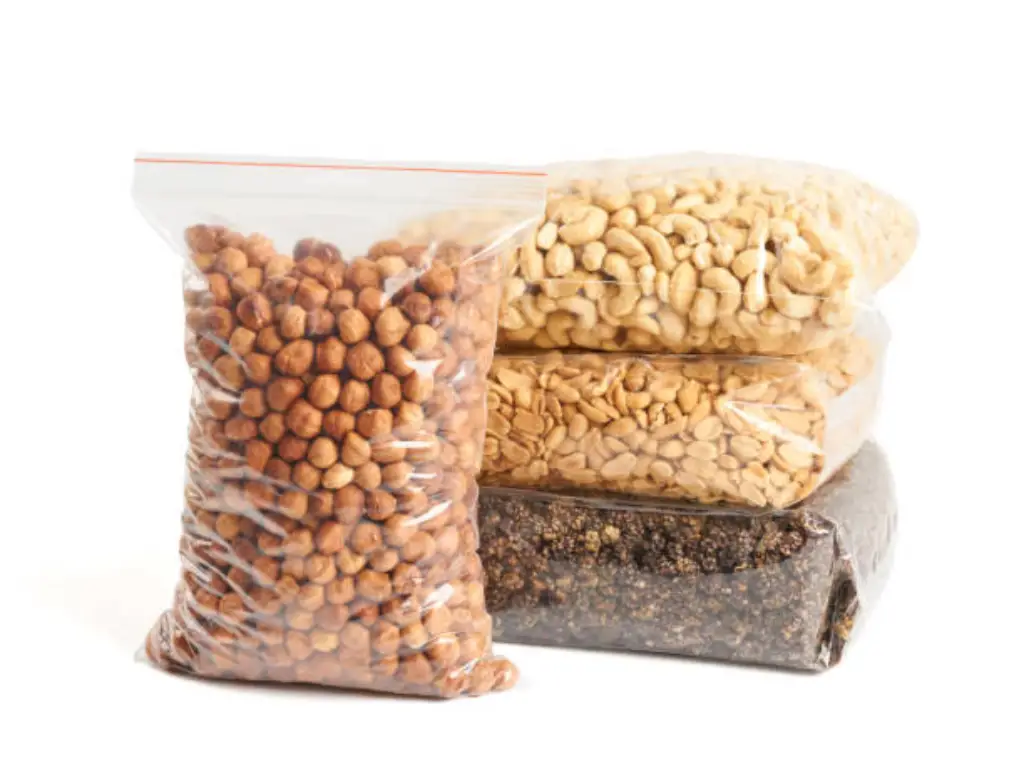
Fabrication de films et préparation des matières premières — C'est là que commence la fabrication de chaque sac
Le procédé d’extrusion-soufflage constitue le point de départ universel. Les granulés de polymère pénètrent dans un cylindre chauffé où une vis rotative les fait fondre et les met sous pression. Le polymère fondu sort par une filière circulaire, formant un tube fin qui est immédiatement gonflé à l'air — comme lorsqu'on gonfle un ballon à la verticale — pour former une bulle dont le diamètre est 2 à 4 fois supérieur à celui de la filière. Ce rapport de gonflage (BUR) est un paramètre essentiel : un BUR élevé renforce le film dans le sens transversal en étirant les molécules latéralement ; un BUR faible favorise la résistance dans le sens machine.
L'air de refroidissement provenant d'un anneau externe solidifie la bulle, qui passe ensuite à travers des cadres s'affaissant et des rouleaux de pincement pour former un tube plat enroulé sur des bobines. Les lignes modernes équipées d'un système de refroidissement interne des bulles (IBC) peuvent augmenter la production de 30 à 50% et améliorer considérablement l'uniformité de l'épaisseur — l'investissement est généralement amorti en moins de 12 mois grâce à un débit plus élevé et à une réduction des rebuts.
À ce stade, le choix du matériau est déterminant. Le PEHD nécessite des vitesses de refroidissement plus lentes (vitesse de ligne de 30 à 80 m/min) en raison de sa cristallinité élevée. Le PEBD peut fonctionner à des vitesses plus élevées (50 à 150 m/min). Le PEBLD exige des températures de fusion plus élevées et un couple moteur plus important. Les lignes de coextrusion multicouches — qui exploitent trois extrudeuses ou plus dans une seule filière — permettent de combiner différents matériaux en un seul film : une couche externe en LDPE pour l’imprimabilité, une couche intermédiaire en LLDPE pour la résistance et une couche interne en EVA pour un thermoscellage efficace à basse température. Le coût énergétique est de 40 à 60% plus élevé que celui d’une ligne monocouche, mais le gain de performance du film le justifie pour les applications exigeantes.
Procédés de fabrication de sacs par type — Comment différentes machines façonnent différents types de sacs
C'est là que les chemins se séparent, et que le lien entre le type de sac et les équipements de production prend tout son sens.
UN Machine à fabriquer des sacs à partir de t-shirts La machine achemine le rouleau de matériau, imprimé ou non, à travers une série de postes : déroulement → soudure du fond → découpe des poignées → découpe des sachets individuels → empilage et comptage. La vitesse de production est comprise entre 120 et 250 sachets par minute sur les configurations à double ligne. Le poste de découpe constitue l'élément clé qui distingue cette machine : il permet de créer les poignées intégrées qui caractérisent le format « t-shirt ».
UN sachet plat / machine à soudure par le fond est plus simple et plus rapide : déroulement → barre de soudure du fond → couteau de découpe → empilage. En l'absence de poste de poignées susceptible de ralentir le processus, les cadences atteignent 250 à 500 sachets par minute. Les modèles à soudure latérale scellent les bords plutôt que le fond, ce qui permet d'obtenir des sachets mieux adaptés aux lignes de remplissage automatisées.
UN machine à fabriquer des sachets à fermeture à glissière ajoute une station d'insertion de fermeture à glissière et de thermoscellage entre le déroulement et la formation du sac. Cette station achemine le profilé de fermeture à glissière préformé (en LDPE ou en PP, adapté au matériau du corps du sac) pour le positionner entre les couches de film, où des barres chauffantes le fixent en place. Cette complexité supplémentaire réduit la vitesse de la ligne à 100-150 sacs par minute et augmente les taux de rebuts à 3–5%.
UN machine à fabriquer des sachets à fond plat est la plus complexe du groupe. Elle traite simultanément plusieurs bandes de matériau (couche d’impression extérieure, couche barrière, couche de soudure intérieure), forme le soufflet de fond, effectue une soudure sur plusieurs côtés et intègre souvent une station de fermeture à glissière. Les vitesses descendent à 40-80 sachets par minute. Des taux de rebut de 5 à 81 TP3T sont courants et reflètent la complexité de la coordination entre les différentes bandes de matériau et les stations de soudure.
La distinction entre les machines servo-commandées et les machines mécaniques est importante, quel que soit le type de machine. Les machines servo-commandées utilisent des moteurs programmables pour chaque axe de mouvement, ce qui leur permet d’atteindre une précision de positionnement de ±0,1 mm et d’effectuer des changements rapides de format de sac grâce à la sélection de recettes sur écran tactile. Les machines mécaniques à cames sont moins chères à l'achat, mais offrent une précision de ±1,5 mm et nécessitent le remplacement physique des cames pour changer de format de sachet — un processus qui peut prendre plusieurs heures. Pour les usines qui changent fréquemment de format de sachet, les machines à servocommande constituent généralement le meilleur investissement à long terme, malgré leur coût initial plus élevé.
Pour toute entreprise qui se lance dans la production de sachets, le processus de décision concernant l’équipement est simple : premièrement, déterminer le type de sachet visé (la vente aux supermarchés implique des sachets de type « t-shirt » ; la vente aux marques alimentaires implique des sachets à fermeture à glissière ou des sachets à fond plat) ; deuxièmement, adapter son budget et ses prévisions de volume à la catégorie de machines ; troisièmement, se demander si la flexibilité offerte par les servomoteurs justifie le surcoût. Les fabricants d'équipements spécialisés dans les lignes de production de plusieurs types de sachets — tels que KETE GROUP, dont la gamme de produits couvre les machines à sachets « T-shirt », les machines à sachets plats et les systèmes de sachets à fermeture à glissière — peuvent fournir les conseils techniques nécessaires pour prendre cette décision, mais le choix stratégique des types de sachets à produire doit toujours primer.
Contrôle qualité et normes d'épaisseur — Ce qui distingue les bons sacs des mauvais
Pour les acheteurs B2B, le contrôle qualité intervient après la négociation des prix, mais avant la passation de commande. Un sac qui présente un défaut sur le terrain coûte bien plus cher que les quelques centimes économisés en choisissant un fournisseur moins cher.
La tolérance d'épaisseur est l'indicateur le plus fondamental. Une tolérance de ±10% par rapport à l'épaisseur nominale constitue la norme de référence du secteur ; une tolérance de ±5% témoigne d'un contrôle rigoureux des processus de la part du fournisseur. Une variation d'épaisseur supérieure à 15% entraîne des problèmes en aval : un repérage d'impression irrégulier, une résistance de soudure peu fiable et des sachets susceptibles de se rompre de manière imprévisible sous l'effet d'une charge.
Les principaux essais en laboratoire portent notamment sur la résistance à la traction (ASTM D882 — Échantillon de 25,4 mm de large, longueur de mesure de 50 mm, vitesse d'essai de 500 mm/min), essai de choc par chute de fléchette (ASTM D1709 — mesure de l'énergie nécessaire pour provoquer une rupture dans des conditions spécifiées), et la résistance du thermoscellage (ASTM F88 — au moins 15 N par 25 mm de largeur pour les emballages destinés au contact alimentaire). Le coefficient de frottement (COF, ASTM D1894) doit être comprise entre 0,2 et 0,4 pour les sacs traités sur des lignes d'emballage automatisées : s'ils sont trop glissants, ils glissent des convoyeurs ; s'ils sont trop collants, ils provoquent des bourrages.
Chaque type de sachet présente des défauts qui lui sont propres. Les sachets « t-shirt » souffrent d’asymétries au niveau des poignées lorsque l’alignement lors de la découpe à l’emporte-pièce est défaillant. Les sachets à fermeture à glissière présentent des défaillances lorsque le profilé de la fermeture se décolle du film — un problème d’adhérence dû à une température ou une pression de soudure insuffisante. Les sachets à fond plat fuient au niveau des soudures des coins du soufflet inférieur, où trois ou quatre couches de matériau doivent fusionner parfaitement en un seul cycle de soudure. Une liste de contrôle pratique pour l’inspection à la réception — échantillon aléatoire de 10 sachets, mesure de l’épaisseur en 3 points sur chacun, test de résistance des poignées, test de décollement des soudures et test de résistance au frottement de l’impression — permet de détecter la plupart des problèmes avant qu’ils n’atteignent le client.
Choisir le bon sac en plastique — Guide d'adéquation aux applications
Les sections précédentes vous ont présenté l'ensemble des aspects techniques. Cette section réorganise ces informations en fonction de votre cas d'utilisation concret. Repérez votre application dans la colonne de gauche ; le reste de la ligne vous indique quel produit acheter.
| Application | Matériel recommandé | Type de sac recommandé | Épaisseur type | Principales considérations |
|---|---|---|---|---|
| Caisse de supermarché / commerce de détail | PEHD | Sac à t-shirt | 15–25 µm | Coût unitaire le plus bas ; capacité de 3 à 5 kg ; vérifiez la réglementation locale relative au plastique à usage unique |
| Boutique / vente au détail de mode | LDPE | Poignée découpée ou boucle souple | 40 à 60 µm | L'image de marque et la transparence sont importantes ; la qualité d'impression est un facteur déterminant dans la décision d'achat |
| Pain, viennoiseries, produits de boulangerie | LDPE | Plat / Scellage par le fond | 25–35 µm | Certification en matière de sécurité alimentaire obligatoire ; transparence pour une meilleure visibilité des produits |
| Aliments surgelés (légumes, viande, fruits de mer) | Mélange de LLDPE et de LDPE | Sac plat / à fermeture éclair | 50 à 75 µm | La résistance aux chocs à basse température est essentielle ; la résistance à la perforation est importante pour les produits non désossés |
| Snacks, confiseries, café (présentoir) | BOPP ou stratifié PET/PE | Sachet à fond plat | 60 à 100 µm (multicouche) | La barrière à l'oxygène est essentielle pour la durée de conservation ; la qualité d'impression influence les décisions d'achat |
| Pièces industrielles, quincaillerie, marchandises lourdes | Polyéthylène haute densité ou polyéthylène linéaire basse densité | Plat / À soufflets | 75 à 150 µm | Résistance à la perforation et à la déchirure ; capacité de charge : 10 à 25 kg |
| Dispositif médical / stérilisation | PP ou PEHD | Plat / Auto-scellant | 50 à 100 µm | Compatibilité avec les méthodes de stérilisation (EtO, rayons gamma, vapeur) ; pas de perte de fibres |
| Élimination des déchets (ménagers) | Mélange de LDPE et de LLDPE | T-shirt / Sac à cordon | 30 à 50 µm | Résistance à la déchirure adaptée aux déchets de forme irrégulière ; cordon de serrage pratique pour une utilisation en cuisine |
| Élimination des déchets (industriels / de chantier) | Mélange de LDPE et de LLDPE | Plat / À soufflets | 80 à 150 µm | Haute résistance à la perforation ; envisager l'utilisation de matériaux recyclés (PCR) pour répondre aux exigences en matière de développement durable |
| Expédition dans le cadre du commerce électronique | LDPE ou LLDPE | Enveloppe en polyéthylène / Plate | 50 à 80 µm | Opaque pour plus de confidentialité ; bande adhésive auto-scellante ; dispositif anti-falsification en option |
Comment utiliser ce tableau : Commencez par votre produit : que devez-vous emballer, quel est son poids, quelle est sa forme ? Vérifiez ensuite les exigences en matière de présentation : le client doit-il voir le produit ? Enfin, vérifiez les contraintes réglementaires et budgétaires. Erreurs courantes à éviter : choisir uniquement en fonction du prix (un sac moins cher et plus fin qui se déchire entraîne un coût total plus élevé lié aux retours et aux dommages), ne pas tenir compte de la compatibilité avec la ligne de conditionnement (un coefficient de frottement inadapté entraîne des blocages sur les machines automatisées) et négliger les réglementations du marché de destination (la norme européenne EN 13432 relative au compostage n’a pas d’équivalent sur de nombreux marchés où les allégations de « biodégradabilité » ne sont pas réglementées).
Alternatives durables et écologiques aux sacs en plastique — Ce qui fonctionne vraiment
En matière de développement durable des sacs en plastique, on observe un mélange d’innovations réelles, de battage publicitaire et de solutions bien intentionnées qui échouent dans la pratique. Voici une analyse honnête des options disponibles, de la signification réelle des certifications et des compromis à accepter.
| Solution | Base matérielle | Conditions de dégradation | Temps de dégradation | Certification | Limitation principale | Coût par rapport au PE classique |
|---|---|---|---|---|---|---|
| PLA (acide polylactique) | Amidon de maïs / canne à sucre | Compost industriel (58 °C, forte humidité) | 3 à 6 mois | EN 13432, ASTM D6400 | Transition vitreuse entre 55 et 60 °C — ne supporte pas le remplissage à chaud ; fragile ; contamine les flux de recyclage du PE | 3 à 5 fois× |
| Mélange PBAT + PLA | Polyester biodégradable d'origine fossile + PLA | Compost industriel | 3 à 6 mois | EN 13432 | Plus souple que le PLA pur ; nécessite toutefois une infrastructure de compostage industriel | 2–4× |
| Oxodégradable (additif EPI) | PE classique + additif à base de sel métallique | La lumière et la chaleur déclenchent la fragmentation | 18 à 60 mois pour se fragmenter | Il n'existe aucune norme internationale reconnue | Se fragmente en microplastiques — n'est pas biodégradable ; interdit par la directive européenne sur les plastiques à usage unique | 1,2–1,5× |
| Recyclé après consommation (PCR) | HDPE/LDPE recyclé, regranulé | Sans objet (économie circulaire, pas de dégradation) | N/A | GRS (Global Recycled Standard) | Couleur grisâtre, odeur éventuelle, perte de propriétés mécaniques de l'ordre de 10 à 20% ; les restrictions relatives au contact avec les denrées alimentaires varient selon les juridictions | 1,2–1,8× |
| Sacs en papier | Papier kraft | Dégradation naturelle | 1 à 2 mois | FSC (approvisionnement forestier) | Non imperméable ; capacité de charge bien inférieure à celle du PE ; sa fabrication nécessite 4 fois plus d'énergie et 2 fois plus d'eau que celle des sacs en PE | 2 à 3 fois |
| Réduction de l'épaisseur (allègement) | PE classique, plus fin | N/A | N/A | Aucune certification particulière n'est requise | Les limites de performance physique restreignent l'éclaircissage ; il s'agit actuellement de la voie « durable » la plus pragmatique pour les utilisateurs industriels | 0,8–0,9× |
EN 13432 — la norme européenne relative aux emballages compostables en milieu industriel — impose quatre critères : une biodégradation ≥90% en 6 mois à 58 °C (EN ISO 14855-1), une désintégration en fragments ≤ 10% de plus de 2 mm en l'espace de 12 semaines, aucun effet négatif sur le processus de compostage et aucune écotoxicité dans le compost final (vérifiée par des essais de croissance des plantes conformément à la norme OCDE 208).
La vérité dérangeante : les conditions de compostage industriel — 58 °C, 50 à 60 % d’humidité, aération continue — ne correspondent pas à celles d’un bac à compost de jardin. Si un sac en PLA est commercialisé sur un marché dépourvu d’infrastructures de compostage industriel, il persistera dans l’environnement pendant des années, avec un impact sur les déchets pratiquement identique à celui d’un sac en plastique classique. Avant d’opter pour une solution dite « biodégradable », assurez-vous que votre marché cible dispose bien des infrastructures de collecte et de traitement nécessaires pour la prendre en charge.
Pour la plupart des applications industrielles et B2B actuelles, réduction de l'épaisseur — utiliser moins de matériaux pour obtenir les mêmes performances grâce à des résines de meilleure qualité et à un meilleur contrôle des processus — constitue la mesure de développement durable la plus rentable et la plus efficace à véritable impact. Elle permet de réduire la consommation de matériaux, d’alléger le poids des marchandises transportées et de diminuer l’empreinte carbone, sans nécessiter de nouvelles infrastructures de recyclage ou de compostage qui n’existent peut-être pas encore.
Tout mettre en place
Il n'est pas nécessaire de mémoriser toutes les densités des polymères ni toutes les vitesses des machines pour faire le bon choix en matière de sacs en plastique. Ce dont vous avez besoin, c'est d'un modèle mental clair : le matériau définit les exigences minimales en termes de performances et de coût, la conception détermine les fonctionnalités réelles du sac, et le procédé de fabrication permet de savoir si vous pouvez le fabriquer vous-même ou si vous devez vous approvisionner auprès d'un transformateur.
Si vous ne devez retenir qu’une seule chose de ce guide, que ce soit celle-ci : la question n’est jamais simplement « quel type de sac en plastique ? », mais « quel matériau, quelle structure, fabriqué sur quel équipement, pour quel marché ? ». Chaque réponse affine le champ des possibilités. Une marque de surgelés a besoin de LLDPE — non pas parce que c’est le moins cher, mais parce que la résistance aux chocs à basse température est une exigence incontournable lorsqu’un sac de poulet surgelé tombe sur le sol d’un entrepôt. Un torréfacteur qui hésite entre un sachet plat et un sachet à fond plat choisit en réalité entre donner l’image d’un produit de base ou celle d’une marque. Un industriel qui doit choisir entre une machine à fabriquer des sachets en forme de T-shirt et une machine à fabriquer des sachets à fermeture à glissière parie sur les clients qu’il souhaite servir au cours des dix prochaines années.
Le sac en plastique est un produit simple. Mais il n'est pas facile d'en concevoir un de qualité. C'est pourquoi une vision globale — matériaux, conception, fabrication — permet de prendre de meilleures décisions, ce qui s'avère payant à long terme.
Références
- ASTM International. « ASTM D4976-12a (2020) — Spécification standard pour les matériaux de moulage et d’extrusion en polyéthylène. » 2020. https://www.astm.org/d4976-12ar20.html
- British Plastics Federation. « Normes de compostabilité — EN 13432. » https://www.bpf.co.uk/Topics/Standards_for_compostability.aspx
- ASTM International. « ASTM D882-18 — Méthode d’essai standard pour les propriétés de traction des feuilles minces en plastique. » https://www.astm.org/d0882-18.html
- ASTM International. « ASTM D1709-22 — Méthodes d’essai standard pour la résistance aux chocs des films plastiques par la méthode de la fléchette en chute libre. » https://www.astm.org/d1709-22.html
- ASTM International. « ASTM F88-21 — Méthode d’essai standard pour la résistance des joints des matériaux barrières souples. » https://www.astm.org/f0088-21.html
- ASTM International. « ASTM D1894-14 — Méthode d’essai standard pour les coefficients de frottement statique et cinétique des films et feuilles plastiques. » https://www.astm.org/d1894-14.html
- ISO. « ISO 14855-1:2012 — Détermination de la biodégradabilité aérobie finale des matières plastiques dans des conditions de compostage contrôlées. » https://www.iso.org/standard/78712.html
- KETE GROUP LIMITED. Site web de l’entreprise. https://www.ketegroup.com/
- KETE GROUP LIMITED. Page de contact. https://www.ketegroup.com/contact/