 IT
IT  EN
EN  RU
RU  ES
ES  FR
FR  AR
AR  PT
PT  ID
ID  KO
KO  TR
TR  DE
DE  VN
VN  TH
TH  IN
IN 
Se stai cercando “prezzo macchina da stampa flessografica a 6 colori”, è probabile che tu abbia già preso la decisione importante: hai bisogno di una macchina da stampa flessografica a sei colori. Quello che ti serve ora è una risposta chiara a una domanda — Quanto bisogna mettere da parte e cosa si può effettivamente acquistare con quella somma?
La risposta breve: una macchina da stampa flessografica a 6 colori costa tra Da $12.000 a oltre $650.000. Si tratta di un divario di prezzo pari a 50 volte. Più ampio del divario tra una utilitaria economica e un’auto sportiva di lusso. E proprio come nel caso delle auto, la differenza di prezzo non è casuale. Riflette differenze fondamentali in termini di velocità, precisione, automazione e affidabilità a lungo termine.
Ecco una panoramica della gamma:
| Tipo di macchina | Prezzo indicativo (USD, FOB) | Il migliore per |
|---|---|---|
| Tipo di stack di livello base | da $12.000 a $40.000 | Disegni semplici a 1-2 colori su singoli supporti; aziende alle prime armi |
| Stack di fascia media / In linea | da $40.000 a $150.000 | Aziende che lavorano su più tipi di substrati e necessitano di precisione servoassistita e cambi di formato più rapidi |
| Impressione centrale (CI) | da $80.000 a $500.000 | Imballaggi flessibili per grandi volumi; lavori per uso alimentare e con registrazione di precisione |
| Servocomando completo senza ingranaggi (Premium) | da $300.000 a $650.000+ | Produzione 24 ore su 24, 7 giorni su 7; qualità farmaceutica; registrazione <±0,08 mm |
Si tratta di fasce di prezzo indicative FOB (Free On Board) fornite da produttori cinesi e indiani. Il costo finale varia in base alle spese di trasporto, ai dazi doganali e ai requisiti di installazione locali. Ma il divario di 50 volte è reale — e capire perché esiste fa la differenza tra l’acquisto di una macchina che fa crescere la tua attività e una che la prosciuga.
Cosa si ottiene effettivamente in ciascuna fascia di prezzo: base, media e premium
Prima di approfondire ogni fascia, ecco il quadro di riferimento che le distingue. Sono tre i fattori che determinano la posizione di una macchina da stampa flessografica a 6 colori nella scala dei prezzi:
- Sistema di trasmissione: Le macchine a ingranaggi trasmettono la potenza meccanica tramite treni di ingranaggi fisici: economiche ma imprecise. Le macchine servoazionate utilizzano motori indipendenti per ogni stazione di stampa: precise ma costose.
- Livello di automazione: Il controllo manuale della tensione e la regolazione manuale della registrazione comportano costi iniziali inferiori, ma una maggiore quantità di scarti e tempi di configurazione più lunghi. La registrazione automatica a circuito chiuso e il controllo automatico della tensione del nastro ribaltano questa equazione.
- Precisione di costruzione: La tolleranza di registrazione (che varia da ±0,25 mm a ±0,05 mm), la qualità del rullo anilox (cromo o ceramica, 200 o 800 LPI) e la rigidità del telaio incidono tutte sul prezzo finale — e sulla qualità finale della stampa.
Tenete presente questo quadro di riferimento mentre esaminiamo ogni livello.
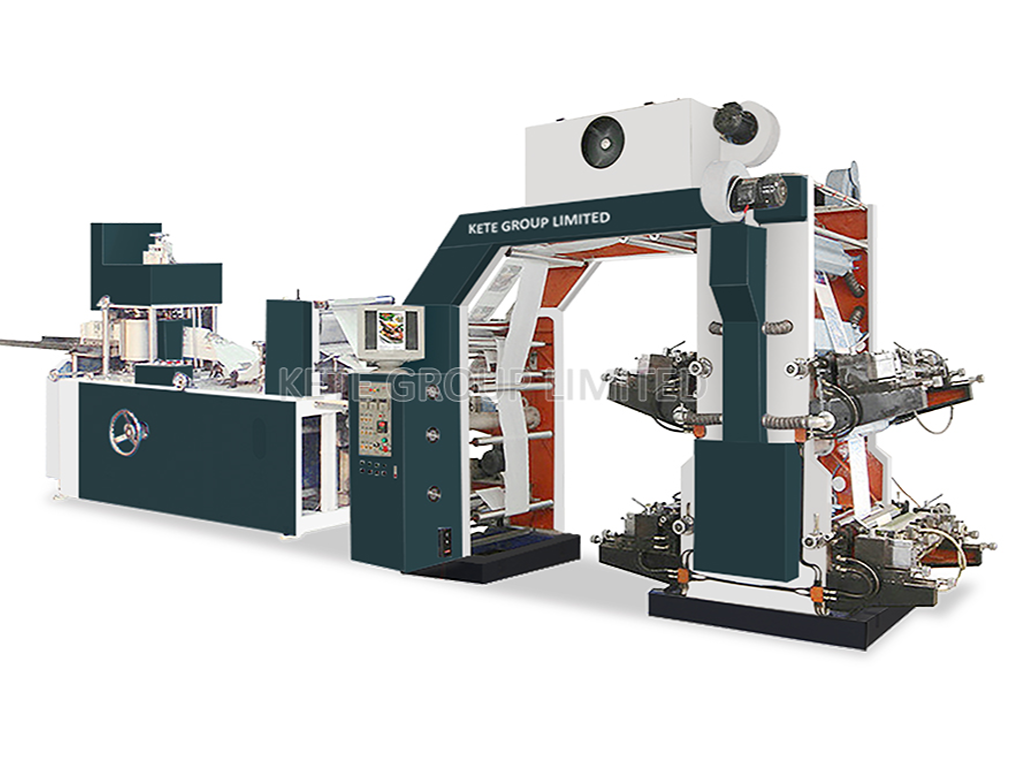
Macchine flessografiche a 6 colori di fascia base (da $12.000 a $40.000)
Le macchine a 6 colori di fascia base sono quasi esclusivamente macchine da stampa a pila: una disposizione verticale delle stazioni di stampa, ciascuna azionata tramite ingranaggi da un albero di trasmissione comune. Funzionano a una velocità compresa tra 70 e 120 metri al minuto. La larghezza del nastro varia da 600 a 1.000 mm. La precisione di registrazione si aggira tra ±0,20 e ±0,25 mm.
Cosa si può fare concretamente con una macchina di questa fascia? È possibile stampare semplici disegni da 1 a 3 colori su singoli supporti: sacchetti di plastica in PE, sacchi intrecciati in polipropilene di base, carta kraft con testo a blocchi e loghi. Se la vostra attività ruota attorno all’imballaggio di prodotti di largo consumo, dove la qualità di stampa non rappresenta un elemento di differenziazione, una macchina entry-level vi consente di diventare operativi con un investimento di capitale minimo.
Ma i limiti sono concreti e cumulativi:
- Deriva di registrazione: Senza la registrazione automatica, ogni stazione di colore deve essere regolata manualmente per ogni lavoro. Su una macchina a 6 colori, ciò significa sei serie di regolazioni ogni volta che si cambiano i disegni. Occorre prevedere dai 45 ai 60 minuti di messa a punto per ogni nuovo lavoro. Il disallineamento tra i colori peggiora man mano che la macchina da stampa si riscalda durante una tiratura prolungata.
- Maggiore spreco di inchiostro: Il controllo manuale della tensione comporta che il supporto possa allungarsi o spostarsi tra una stazione e l’altra. Sulle macchine a trasmissione a ingranaggi prive di sistema di tensionamento a circuito chiuso, lo spreco di inchiostro è superiore del 30-50% rispetto alle macchine equivalenti con azionamento servoassistito. Un numero maggiore di stampe viene scartato a causa di errori di registrazione.
- Maggiore usura dell'anilox: Le macchine di fascia bassa vengono solitamente fornite con rulli anilox cromati o in ceramica di qualità inferiore (con una risoluzione compresa tra 200 e 400 LPI). In condizioni di produzione normali, è necessario sostituirli ogni 2-3 anni, con un costo compreso tra $2.000 e 5.000 per rullo per un set a 6 colori.
Un acquirente tipico di questa fascia è un piccolo produttore di sacchetti in un mercato emergente, che stampa semplici loghi su film in PE per la vendita al dettaglio locale. La macchina svolge il suo compito. Ma non appena il cliente richiede la stampa fotografica in quadricromia o la conformità alle norme per uso alimentare, questa fascia non è più in grado di soddisfare le esigenze.
Macchine flessografiche a 6 colori di fascia media (da $40.000 a $150.000)
È qui che la macchina da stampa flessografica a 6 colori smette di essere un semplice strumento di stampa e inizia a diventare una risorsa produttiva. L'aggiornamento determinante è registrazione servoassistita — Ogni stazione di stampa è azionata da un servomotore indipendente, sincronizzato da un PLC centrale. Il treno di ingranaggi meccanico che limitava la precisione nei modelli di base è stato eliminato.
Quattro miglioramenti concreti caratterizzano la fascia media:
1. La precisione di registrazione sale a ±0,10-0,15 mm. Questa è la differenza tra “i colori sembrano più o meno allineati” e “la stampa supera il test con la lente di ingrandimento”. Nel caso delle confezioni alimentari, dove i codici a barre, le tabelle nutrizionali e i loghi dei marchi devono risultare tutti nitidi, questa soglia è fondamentale.
2. I sistemi a racla chiusa sostituiscono i vasche d'inchiostro aperte. Non si tratta di una modifica puramente estetica. Le camere chiuse riducono l’evaporazione del solvente dell’inchiostro del 15-20%, mantengono costante la viscosità dell’inchiostro per tutta la durata della tiratura e riducono le emissioni di COV in misura tale da garantire la conformità alle normative ambientali in mercati come l’UE e il Sud-Est asiatico.
3. Il controllo automatico della tensione del nastro sostituisce i freni a polvere magnetica. Il sistema di tensionamento a circuito chiuso rileva la tensione del nastro in tempo reale tramite celle di carico e regola dinamicamente la coppia di svolgimento/avvolgimento. Su film sottili come il BOPP o l’LDPE, ciò impedisce l’allungamento e lo sbandamento che causano errori di registrazione sulle macchine di fascia base.
4. Rullo anilox in ceramica da 400-800 LPI con celle incise al laser. Un numero maggiore di linee comporta una stesura dell’inchiostro più fine: diventano così possibili caratteri più piccoli, sfumature più uniformi e retini a colori di quadricromia. I rulli anilox di questa fascia provengono in genere da fornitori giapponesi di ceramica e hanno una durata di 5-7 anni anziché 2-3.
Le macchine tipiche di fascia media funzionano a una velocità compresa tra 150 e 250 metri al minuto su larghezze di nastro da 800 a 1.600 mm. Il tempo di cambio lavoro si riduce da 45-60 minuti a circa 15-20 minuti, grazie alla memoria delle ricette sul touch screen del PLC. È possibile memorizzare da 50 a 200 parametri di lavoro e richiamarli con un solo tocco.
Chi acquista in questa fascia di prezzo? Un trasformatore di imballaggi flessibili che stampa involucri per snack di qualità alimentare su BOPP/PET metallizzato. Per loro, un rotolo scartato da un cliente del settore della grande distribuzione costa molto di più dei $40.000 risparmiati acquistando un modello base. Oppure un trasformatore di etichette che sta passando dalla stampa a 4 colori a quella a 6 colori e ha bisogno della precisione del servocomando per riprodurre correttamente testi minuscoli e codici a barre.
| Dimensione | Livello base (da $12K a $40K) | Fascia media ($40K-$150K) |
|---|---|---|
| Sistema di trasmissione | A trasmissione ad ingranaggi (albero di trasmissione comune) | A servocomando (motori indipendenti per ogni stazione) |
| Registrazione | ±0,20-0,25 mm | ±0,10-0,15 mm |
| Cambio di mansioni | 45-60 minuti | 15-20 min (memoria ricette PLC) |
| Sistema a inchiostro | Vassoio aperto | Lama di raschiatura chiusa |
| Qualità Anilox | Cromato o ceramica semplice, 200-400 LPI | Ceramica giapponese, 400-800 LPI |
| Controllo della tensione | Freno a polvere magnetica (a ciclo aperto) | Cella di carico a circuito chiuso |
| Velocità tipica | 70-120 m/min | 150-250 m/min |
Macchine flessografiche premium a 6 colori (da $150.000 a $650.000+)
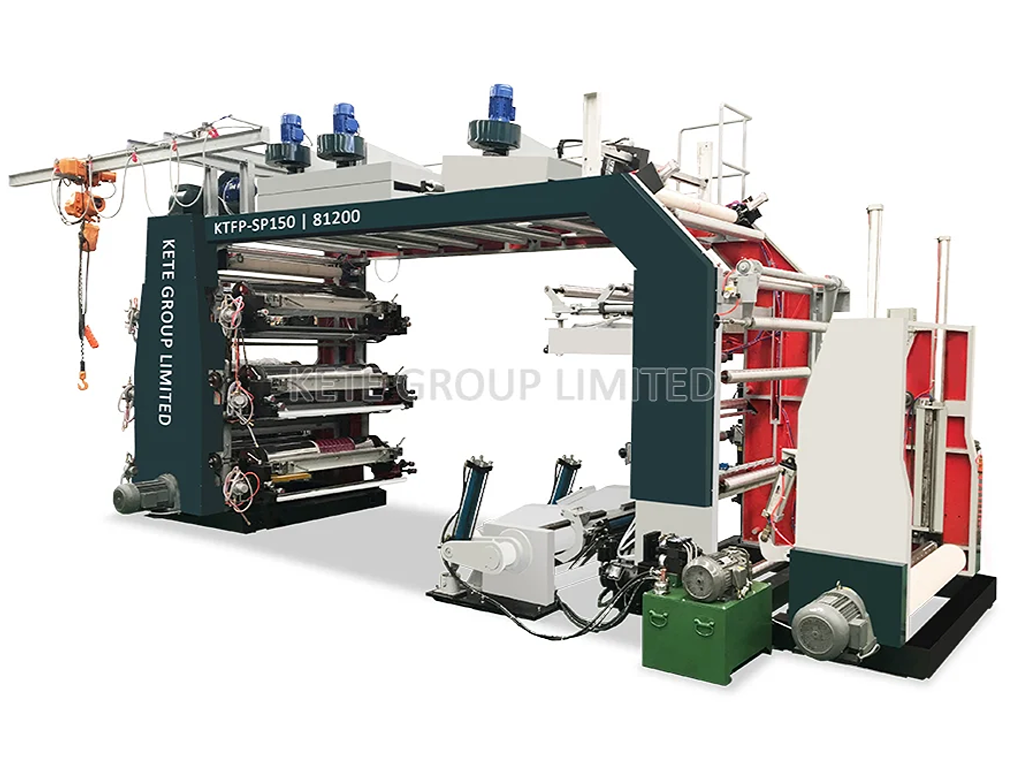
Nella fascia premium, il termine “geared” scompare del tutto dalla scheda tecnica. Si tratta di presse completamente servoassistite e senza ingranaggi. Ogni cilindro di stampa, rullo anilox e tamburo di impressione è azionato da un proprio servomotore sincronizzato digitalmente. Non vi è alcun treno di ingranaggi meccanico soggetto a usura, gioco o che limiti la precisione di registrazione.
Cosa offre questo livello di ingegneria?
- Registrazione inferiore a ±0,08 mm. Nel caso delle confezioni farmaceutiche, delle etichette di sicurezza o delle confezioni di liquori di alta gamma, anche il minimo scarto di registrazione è visibile. È proprio questa la soglia che separa ciò che è accettabile da ciò che è eccellente.
- Velocità costante di 300-500 metri al minuto. Non la velocità massima indicata nella scheda tecnica, ma la velocità effettiva di produzione su lavori in quadricromia, turno dopo turno.
- Sistemi a sostituzione rapida di tipo a manicotto. I cilindri anilox e i cilindri portacliché si montano e si smontano dai mandrini in meno di 5 minuti per stazione, senza bisogno di attrezzi. I manicotti dotati di tag RFID richiamano automaticamente le impostazioni di produzione. L’operatore carica il manicotto e la macchina da stampa riconosce automaticamente il lavoro da eseguire.
- Tutto a circuito chiuso: telecamere di registrazione automatica che correggono in tempo reale la posizione dei colori l'uno rispetto all'altro, regolazione automatica della tiratura, controllo automatico della viscosità sulle pompe dell'inchiostro e gestione del colore collegata allo spettrofotometro. La macchina da stampa mantiene il DeltaE entro i limiti specificati dal marchio per un milione di tirature.
Anche a questo livello cambiano i parametri economici. Una macchina da stampa di fascia alta ha un costo iniziale maggiore, ma ripaga l’investimento grazie a ciò che consente di eliminare. Gli scarti di avviamento si riducono da 5-10% a 1-3% di substrato. Il tempo necessario per il cambio di lavoro si riduce a 10-15 minuti. Un solo operatore può gestire ciò che su una macchina di fascia media richiedeva due persone, poiché la macchina da stampa si autocorreggere.
Nell’ecosistema manifatturiero cinese, diversi produttori — in particolare quelli concentrati nel corridoio meccanico di Ruian-Wenzhou, nella provincia dello Zhejiang — forniscono ormai macchine da stampa flessografiche CI di alta gamma con certificazione CE, sistemi di qualità ISO 9001 e gli stessi rulli anilox giapponesi e servomotori tedeschi presenti nelle macchine europee, a un prezzo pari a 40-50% di quello europeo. Il divario in termini di capacità tra i produttori cinesi di fascia alta e quelli europei di fascia media si è ridotto. Sempre più spesso, la decisione di acquisto dipende dall’assistenza post-vendita piuttosto che dalla sola qualità della macchina.
Oltre il prezzo di listino: quanto costa davvero una macchina da stampa flessografica a 6 colori nell’arco di 5 anni
Ecco un dato che sorprende la maggior parte di chi acquista una macchina flessografica per la prima volta: il prezzo di acquisto della macchina rappresenta solo il 35-40% del suo costo effettivo quinquennale. Il restante 60-65% è costituito dai materiali di consumo, dall’energia, dalla manutenzione, dal tempo impiegato dagli operatori e — cosa più pericolosa — dai costi dei tempi di fermo che nessuno vi indica in anticipo.
L'auto il cui prezzo di listino ti ha fatto storcere il naso potrebbe rivelarsi l'opzione più conveniente una volta calcolati i costi complessivi su un periodo di cinque anni. E l'auto che sembrava un vero affare potrebbe, senza che te ne accorga, costarti $100.000 in più rispetto a quella “costosa” nello stesso periodo.
I costi visibili: materiali di consumo, energia e manutenzione
Questi sono i costi che potete prevedere. Di seguito è riportato un modello semplificato del TCO quinquennale per una macchina da stampa flessografica a 6 colori di fascia media con un prezzo di acquisto di $100.000:
| Categoria di costo | Stima annuale | Totale quinquennale |
|---|---|---|
| Prezzo di acquisto | - | $100,000 |
| Materiali di consumo (lastre, inchiostri, rulli anilox) | $25.000 – $40.000 | da $125.000 a $200.000 |
| Energia (20-80 kW × tariffe industriali) | da $8.000 a $25.000 | da $40.000 a $125.000 |
| Manutenzione e ricambi | da $2.000 a $5.000 | $10.000 – $25.000 |
| Manodopera (2 operatori) | $20.000 – $50.000 | $100.000 – $250.000 |
| Costo totale quinquennale | da $375.000 a $700.000 |
Si tratta di un moltiplicatore compreso tra 3,75x e 7x rispetto al prezzo di acquisto. Analizziamo le variabili più rilevanti.
Materiali di consumo rappresentano la voce di spesa ricorrente più consistente — e quella più sensibile alla qualità delle macchine. Le lastre di stampa in fotopolimero costano $50-150 ciascuna. Per un lavoro a 6 colori, si tratta di $300-900 solo per le lastre, prima ancora di avviare la prima tiratura. La sostituzione dei rulli anilox (ogni 3-5 anni per quelli in ceramica, ogni 2-3 per quelli cromati) aggiunge $12.000-48.000 per ogni cambio completo del set su una macchina a 6 colori. Il consumo di inchiostro si aggira intorno ai 2-4 g/m² per gli inchiostri a base d’acqua. Uno stabilimento con una produzione di 500 tonnellate all’anno spende $30.000-60.000 all’anno solo per l’inchiostro. Il tasso di scarto di tale inchiostro, determinato dalla precisione di registrazione, è il punto in cui la qualità della macchina si traduce direttamente in costo.
Energia varia notevolmente a seconda della tecnologia di essiccazione. L'essiccazione ad aria calda su una macchina da stampa a torre a 6 colori assorbe 40-80 kW — circa $15.000-30.000 all'anno alle tariffe industriali standard. L'essiccazione UV a LED, sempre più diffusa sulle macchine da stampa di fascia alta, riduce il consumo energetico del 70-85% ed elimina il tempo di riscaldamento che comporta un dispendio di energia all'inizio di ogni turno.
I costi nascosti: tempi di inattività, formazione e lacune nell’assistenza post-vendita
E ora passiamo ai costi che nessun preventivo include — e che pesano di più.
I tempi di inattività sono il nemico silenzioso dei margini di profitto. Una macchina da stampa flessografica a 6 colori di fascia media, che opera a 150 m/min su pellicola larga 1.000 mm, produce circa $3.000-8.000 di prodotto stampato al giorno. Una settimana di fermo macchina non programmato comporta una perdita di produzione pari a $15.000-40.000. Quella singola settimana può azzerare gran parte di quanto avete “risparmiato” scegliendo un fornitore più economico ma privo di un’infrastruttura di assistenza locale.
I costi di formazione degli operatori sono reali e spesso invisibili. Con un’adeguata formazione in loco da parte del produttore, un operatore flessografico esperto può portare una nuova macchina da stampa alla piena velocità di produzione in 2-4 settimane. Se lasciato a imparare da solo da un manuale tradotto, lo stesso operatore potrebbe impiegare 2-3 mesi per raggiungere lo stesso livello di competenza. Durante quella fase di apprendimento, i tassi di scarto aumentano vertiginosamente. Le lastre vengono danneggiate da impostazioni di stampa errate. I rulli anilox presentano rigature dovute a una pulizia impropria. La differenza di costo tra una messa in servizio effettuata da personale addestrato e una da personale autodidatta può superare i $20.000 solo nel primo trimestre.
Il vuoto post-vendita è il rischio che tiene svegli la notte i responsabili della produzione. Molti esportatori di macchinari — in particolare quelli che vendono tramite piattaforme di marketplace B2B — operano secondo un modello transazionale: spediscono la macchina, incassano il pagamento e passano oltre. Quando, dopo sei mesi di produzione, un servoazionamento si guasta o una telecamera di registrazione perde la calibrazione, l’acquirente scopre che per “assistenza tecnica” si intende un contatto su WeChat che risponde entro 48 ore e non è in grado di inviare un tecnico perché non ne ha mai avuto uno a disposizione.
È proprio qui che il modello di assistenza del produttore diventa la voce più importante nel calcolo del TCO. Un fornitore che dispone di un team dedicato di tecnici sul campo, che tiene a magazzino pezzi di ricambio per la spedizione internazionale (e copre le spese di spedizione in garanzia) e che offre un servizio di diagnostica remota 24 ore su 24, di fatto vi assicura contro il rischio di tempi di inattività, che fa apparire gli altri costi come irrisori.
Prendiamo KETE GROUP come punto di riferimento concreto nel panorama manifatturiero cinese. La loro garanzia standard copre un periodo di 1-2 anni (a seconda del modello) e, cosa fondamentale, prevede la sostituzione gratuita dei pezzi di ricambio. comprende le spese di spedizione con corriere internazionale per i guasti non legati all’usura — un dettaglio che la maggior parte dei preventivi nasconde nelle note in piccolo o esclude del tutto. Il loro team di tecnici sul campo opera a livello globale per l’installazione in loco e la formazione degli operatori, supportato da un servizio di assistenza tecnica attivo 7×24 con un tempo di risposta dichiarato di 24 ore. È possibile consultare l’ambito completo del loro programma post-vendita qui.
Non si tratta di una preoccupazione puramente teorica. KETE vanta linee di produzione operative in oltre 80 paesi: da una linea completa per la trasformazione di buste stand-up (rotocalcografia + laminazione + taglio longitudinale + formatura delle buste) consegnata a un trasformatore di imballaggi russo, a macchine per la produzione di sacchetti in tessuto non tessuto con stampa flessografica integrata in funzione in Kenya da oltre due anni. Un produttore italiano di capsule per vino ha effettuato un nuovo ordine per modelli ad alta velocità: il tipo di comportamento d’acquisto che si verifica solo quando la prima macchina dà i risultati sperati. È possibile consultare la raccolta dei casi di studio qui.
Ecco perché gli acquirenti più accorti valutano il pacchetto complessivo — qualità della macchina, condizioni di garanzia, disponibilità dell’assistenza tecnica sul campo e logistica dei ricambi — prima di confrontare i prezzi. L’infrastruttura di assistenza di un fornitore non è una voce che si può tralasciare. È la differenza tra una macchina che stampa e una macchina che si ripaga da sola.
Tenendo conto del quadro completo dei costi, la domanda successiva è: da dove dovrebbe provenire la vostra macchina? Il paese di origine influisce su ben più del semplice prezzo.
Scopri come l'assistenza post-vendita influisce sul costo della tua macchina da stampa flessografica nell'arco di 5 anni
Richiedi un preventivo personalizzato che includa garanzia, formazione e assistenza tecnica sul campo — non solo il prezzo della macchina.
Dove si acquista è importante: Cina, India e produttori europei a confronto
Il paese di origine influisce non solo sul prezzo, ma sull’intera esperienza di possesso del prodotto — dai tempi di consegna alla disponibilità dei ricambi, fino alla completezza dell’assistenza tecnica. Ecco un confronto tra le tre principali regioni produttrici per una macchina da stampa flessografica a 6 colori:
| Dimensione | Produttori cinesi | Produttori indiani | Produttori europei |
|---|---|---|---|
| Fascia di prezzo (6 colori) | da $12.000 a $500.000+ | da $12.000 a $220.000 | da $200.000 a $2.000.000+ |
| Spettro tecnologico | Passaggio alla versione premium (gamma completa) | Dalla fascia bassa alla fascia media | Da fascia media a fascia alta |
| Unità di qualità | Varia notevolmente — le migliori fabbriche sono alla pari con la fascia media europea | Nel complesso costante nella fascia bassa | Costantemente elevato |
| Copertura del servizio post-vendita | Le aziende di fascia alta mettono a disposizione tecnici sul campo in tutto il mondo; i fornitori economici no | Sostegno prevalentemente nazionale/regionale | Reti di assistenza globali e complete |
| Tempi di consegna | 30-45 giorni (modelli standard) | 30-60 giorni | 3-6 mesi |
| Componenti principali | Anilox in ceramica giapponese, servomotori tedeschi (fascia alta) | Misto: nazionale e importato | Componenti di marche europee in ogni parte |
| Il migliore per | Gli acquirenti che dedicano tempo alla valutazione dei fornitori possono ottenere risparmi pari a 40-60% rispetto all'Europa | Acquirenti con un budget limitato nel subcontinente indiano | Acquirenti per i quali l'assistenza locale e la reputazione del marchio contano più del prezzo |
La conclusione fondamentale che si ricava da questo confronto non è che «la Cina sia più economica», bensì che La produzione cinese nel settore della flessografia copre ormai l'intero spettro qualitativo. Una macchina da stampa flessografica cinese di fascia alta con certificazione CE, rulli anilox giapponesi, servoazionamenti tedeschi e assistenza tecnica sul campo a livello globale è in diretta concorrenza con le macchine europee di fascia media a circa la metà del costo. La sfida — e l’opportunità — consiste nell’individuare quali produttori cinesi operino realmente a quel livello rispetto a quelli che si limitano a dichiararlo.
Quando si valuta un fornitore cinese, tre indicatori distinguono i fornitori di fascia alta dalle società commerciali:
12 domande da porre prima di richiedere un preventivo
Un preventivo per una macchina da stampa flessografica è utile solo nella misura in cui lo sono le domande che lo hanno determinato. Queste dodici domande si dividono in due categorie: cosa è in grado di fare la macchina e se il fornitore è disposto a garantirne le prestazioni. Ponete tutte e dodici le domande prima di confrontare i prezzi — e se un fornitore non è in grado o non vuole rispondere chiaramente a una domanda, considerate quel silenzio come un dato di fatto.
Domande sulle capacità della macchina (Domande 1-6)
Domanda 1: Quali sono la larghezza massima di stampa e l'intervallo di spessore del substrato?
L'ordine ricorrente di maggiori dimensioni determina la larghezza minima necessaria. Acquistare una larghezza troppo ridotta limita i lavori che è possibile eseguire; acquistarne una troppo ampia comporta uno spreco di energia e di spazio a ogni ciclo di produzione. Verificate inoltre che la macchina sia in grado di gestire i substrati più sottili e più spessi: una macchina da stampa progettata per carta da 80 g/m² potrebbe non essere in grado di lavorare BOPP da 12 micron senza modifiche.
Domanda 2: La macchina da stampa è azionata da ingranaggi o da servomotori? Qual è la precisione di registrazione dichiarata? È possibile fornire un rapporto del collaudo di accettazione in fabbrica che riporti i valori effettivamente misurati?
L'indicazione “±0,10 mm” su un opuscolo non ha alcun significato a meno che il fornitore non sia in grado di presentare un rapporto FAT con misurazioni effettuate durante il funzionamento effettivo. Le presse servoazionate dovrebbero garantire una registrazione misurata pari o inferiore a ±0,10 mm. Se la risposta è “dipende dall’operatore”, significa che si tratta di una macchina a trasmissione a ingranaggi.
Domanda 3: Quale sistema di essiccazione è installato e quali tipi di inchiostro supporta?
Adatta la tecnologia di essiccazione alla composizione chimica dell’inchiostro. Gli inchiostri a base acquosa richiedono un’essiccazione ad aria calda con un flusso d’aria sufficiente (non solo temperatura). Gli inchiostri a base solvente richiedono un’essiccazione antideflagrante con recupero del solvente. Gli inchiostri UV/LED-UV necessitano delle corrispondenti unità di polimerizzazione; inoltre, la tecnologia LED-UV consuma il 70-85% in meno rispetto all’UV convenzionale, eliminando al contempo la generazione di ozono.
Domanda 4: Quali sono le specifiche del rullo anilox: materiale, intervallo LPI, volume delle celle e produttore?
“Anilox in ceramica” non è sufficiente. Richiedete il nome del produttore (marchi giapponesi come Apex o Praxair sono uno standard del settore), la gamma di LPI disponibile per il vostro ordine e il volume delle celle in BCM (miliardi di micron cubi per pollice quadrato). Una scheda tecnica dell’anilox che ometta il nome del fornitore della ceramica è un campanello d’allarme.
D5: Qual è il tempo tipico di cambio lavoro? La macchina da stampa dispone di una memoria per le ricette?
Una macchina da stampa priva di memoria ricette richiede il reinserimento manuale di ogni parametro per ogni lavoro ripetuto. Grazie alla memoria ricette, l’operatore seleziona “Cliente X — Sacchetto di patatine” dal touch screen e la macchina richiama le impostazioni di impressione, i valori di tensione e gli scostamenti di registrazione. In questo modo, un’operazione di configurazione che richiedeva 45 minuti viene ridotta a 15 minuti.
D6: È possibile configurare la macchina da stampa con opzioni di finitura in linea, quali taglio longitudinale, fustellatura, verniciatura o laminazione?
Una linea integrata a ciclo unico può ridurre la manodopera a valle del 30-50% e aumentare la produttività del 20-40% rispetto alla lavorazione offline. Anche se al momento non avete bisogno di queste opzioni, verificate che il telaio della macchina da stampa sia predisposto per un eventuale adeguamento futuro.
Domande sull’affidabilità dei fornitori (domande 7-12)
D7: Quali certificazioni possiede la macchina? Si riferiscono alla macchina nel suo complesso o solo a componenti specifici?
La certificazione CE apposta sul quadro elettrico non è la stessa della certificazione CE relativa alla macchina completa. Richiedete il certificato CE della macchina completa e il numero di certificazione ISO 9001 (che potete verificare autonomamente). Per le applicazioni nel settore alimentare, verificate che il sistema di inchiostro e i relativi componenti siano conformi alle normative FDA o UE relative ai materiali a contatto con gli alimenti.
D8: Posso vedere un video della mia macchina mentre stampa sul mio materiale prima della spedizione?
I test di accettazione in fabbrica effettuati con il vostro substrato effettivo — e non con il materiale di prova ideale del fornitore — rappresentano il controllo di qualità più importante prima della spedizione. Se il fornitore afferma: “Effettuiamo i test con il nostro materiale standard”, insistete affinché vi vengano inviati i vostri rotoli. Un fornitore che ha fiducia nella propria macchina accoglierà con favore questa richiesta.
D9: Cosa copre esattamente la garanzia e per quanto tempo?
Una volta superata la durata della garanzia (di norma è di 1 anno; qualsiasi durata superiore è un vantaggio), chiarisci tre aspetti specifici: (a) la garanzia copre solo i ricambi o anche la manodopera necessaria per la loro sostituzione? (b) la “sostituzione gratuita dei ricambi” include le spese di spedizione internazionale? (c) quali sono i casi specifici che comportano l’annullamento della garanzia — e gli errori dell’utente sono esclusi?
Domanda 10: Offrite servizi di installazione in loco e formazione per gli operatori nel mio Paese?
È proprio questa domanda a distinguere i produttori di macchinari dagli esportatori di macchinari. Un fornitore che invia un tecnico presso il vostro stabilimento per l’installazione e la formazione pratica degli operatori ha creato un’infrastruttura di assistenza. Un fornitore che spedisce la macchina con un manuale in formato PDF e un numero di WhatsApp, invece, non l’ha fatto.
D11: Quali sono i tempi di consegna e i costi dei ricambi più comuni — rulli anilox, lame raschiatrici, servoazionamenti, cinghie?
Richiedete un listino prezzi aggiornato dei ricambi, non delle stime. Chiedete inoltre: “Quali ricambi mi consigliate di tenere in magazzino e qual è la loro durata di conservazione?”. Un fornitore che vi aiuta a pianificare le vostre scorte di ricambi ha a cuore la continuità della vostra produzione, non solo la conclusione di una vendita.
Domanda 12: Potete fornirmi i recapiti di alcuni clienti di riferimento nella mia regione o in un settore simile?
Una referenza nella vostra regione significa che il fornitore ha già affrontato le procedure di importazione, gli standard energetici e le barriere linguistiche del vostro Paese. Una referenza nel vostro settore significa che comprende le vostre specifiche esigenze in termini di substrati e qualità di stampa. Le testimonianze casuali sui siti web non costituiscono referenze: avete bisogno del nome di uno stabilimento e di un numero di telefono.
Indicateci il tipo di substrato, la velocità e gli obiettivi di volume. Vi consiglieremo la macchina più adatta alle vostre esigenze, con dati concreti a dimostrarlo.
Richiedi un preventivo


