FR
FR  EN
EN  RU
RU  ES
ES  AR
AR  PT
PT  IT
IT  ID
ID  KO
KO  TR
TR  DE
DE  VN
VN  TH
TH  IN
IN 
The world packaging environment is now in the process of structural change, which is being led by an unprecedented convergence of consumer demand for aesthetic variety and industrial demand for operational efficiency. To the contemporary producer, the choice of a printing machine to package the product is no longer a peripheral purchasing operation; it is a core strategic choice that determines the sustainability of the production line in the long run. To negotiate this tricky market, it is necessary to go beyond the surface appeal of fast-speed specifications and explore the various types of mechanical reasoning and economic variables that constitute successful printing processes.
This guide is a systematic investigation of the different printing technologies, the substrates they can be used on and the critical parameters that must guide your investment in order to have a strong and profitable manufacturing future.
Major Types of Packaging Printing Machines and Their Applications
The technological difference in the packaging industry is a reaction to the physical diversification of the products themselves and their specific packaging requirements. Each printing technique is a particular mechanical approach to the issue of putting ink on a surface in a precise, fast, and economical way.
Machine d'impression flexographique
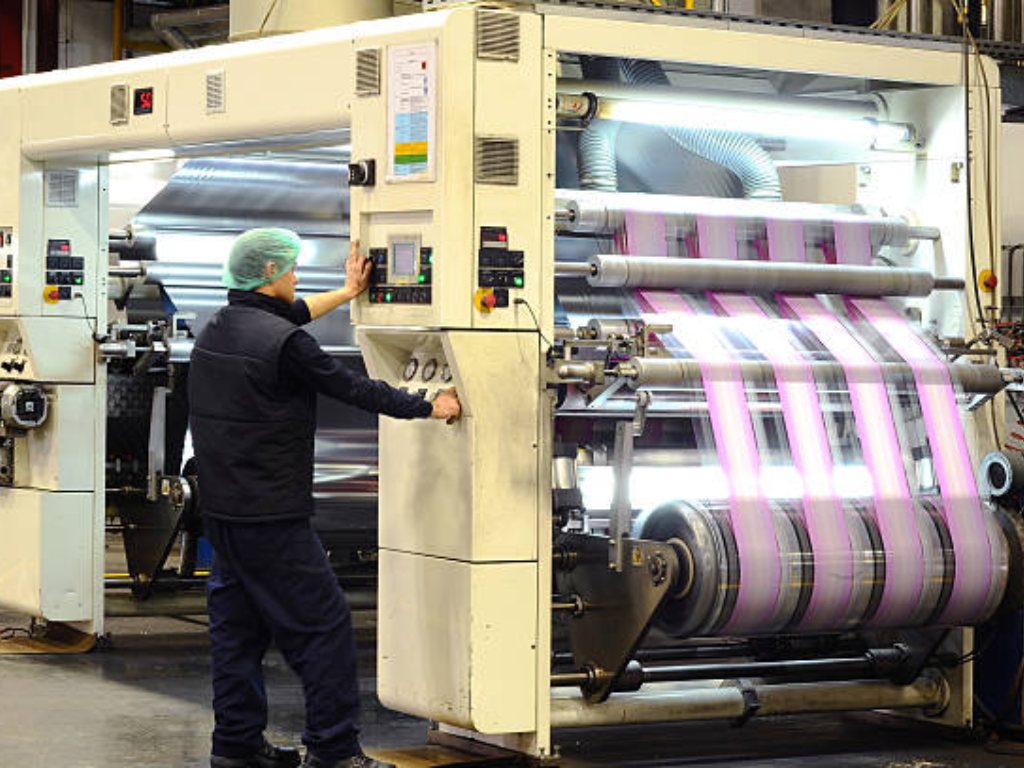
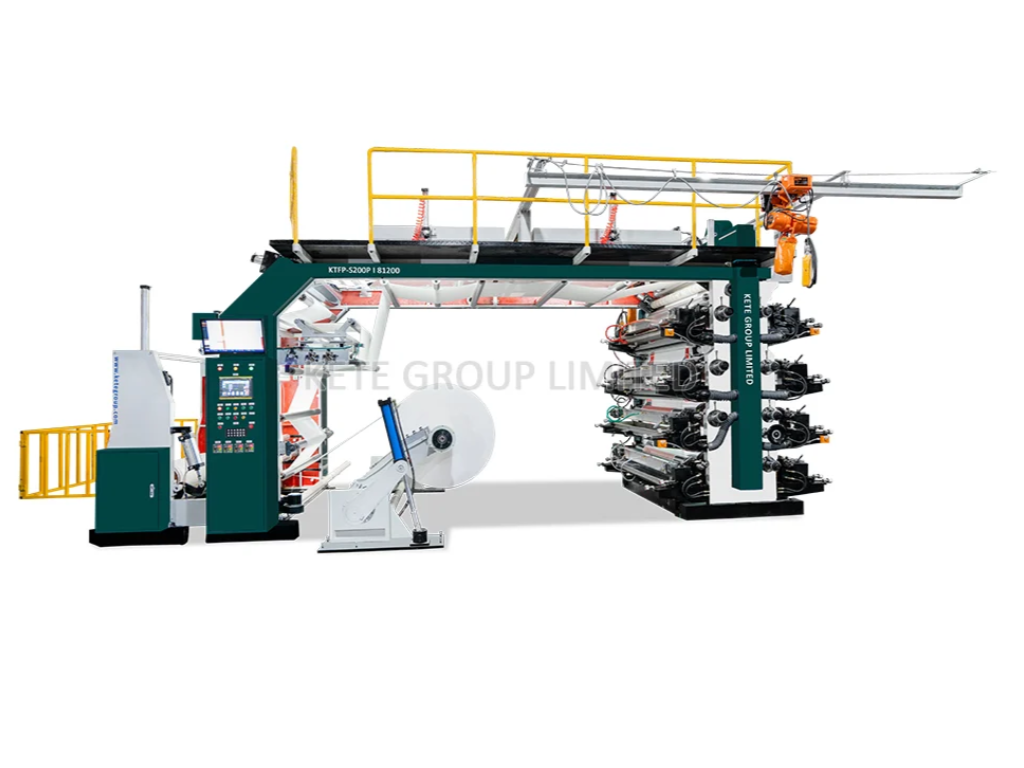
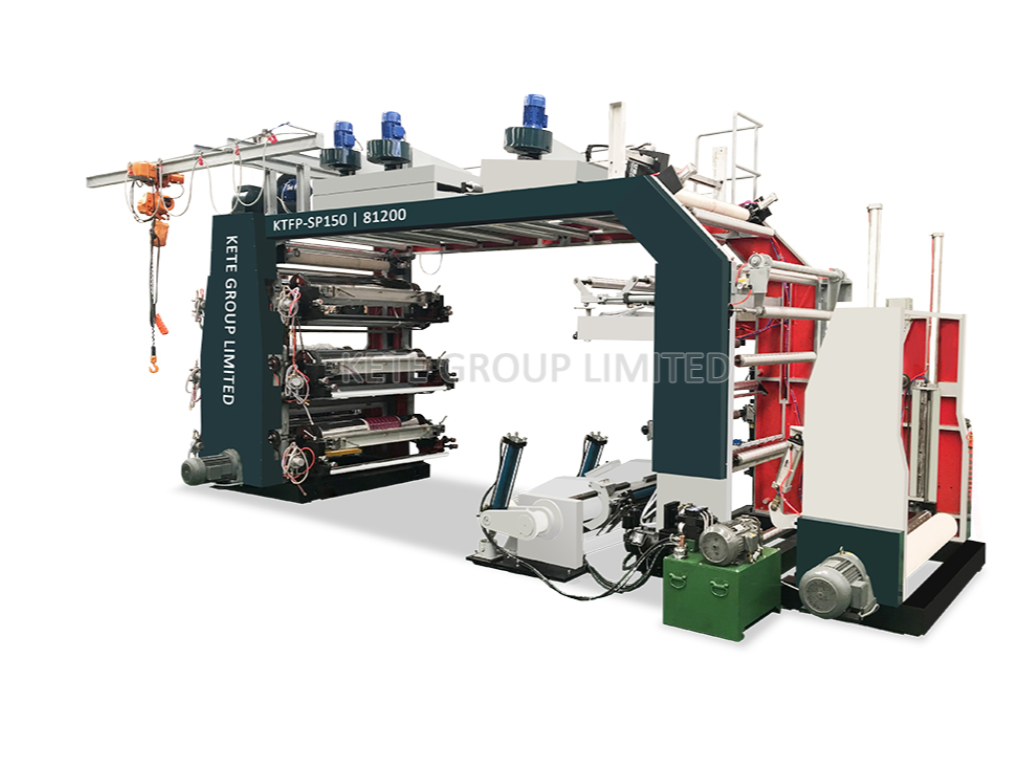
Flexography or flexo has established itself as the workhorse of the high-volume packaging industry, including the pharmaceutical industry. The flexographic printing machine is essentially a relief printing process in which the image area is raised higher than the non-image area. The simplicity of this system, which is mechanical, that is, it consists of a fountain roller, an anilox roller, a plate cylinder, and an impression cylinder, is its strongest point.
The most important component is probably the anilox roller. It plays a crucial role as it was engraved with millions of microscopic cells to measure the ink deposited onto the flexible photopolymer plate accurately. This enables an incredible consistency of millions of impressions. Flexo machines are versatile in nature and can be used to work with a broad range of inks, such as water-based, solvent-based, and UV-curable inks. This renders them the main options of corrugated boxes, flexible plastic bags, and self-adhesive labels. The flexographic press is the workhorse of the modern factory, delivering the consistent, dependable production needed to produce mass-market commodities.
Gravure Printing Machine
When flexography is the king of versatility, gravure is the king of high-fidelity, long-run perfection. Gravure is an intaglio process, unlike the relief process. The picture is etched into the surface of a copper-plated steel cylinder, either chemically or mechanically. In the printing process, the whole cylinder is immersed in ink and a doctor blade is used to scrape off the excess ink in the non-image areas, leaving ink in the recessed cells.
The main benefit of this type of machine, a gravure printing machine, is that it is durable. One engraved cylinder is capable of making millions of impressions without any loss of image quality. Moreover, since gravure has the ability to deposit a heavier amount of ink, it can produce a richness and richness of color that is difficult to reproduce with other processes. It is the technology of choice in high-end flexible packaging, including tobacco wraps, luxury confectionery pouches, and high-security laminates. Although the initial cost of cylinder engraving is high, the unit cost on very long runs is the lowest in the industry.
Digital Printing Machine
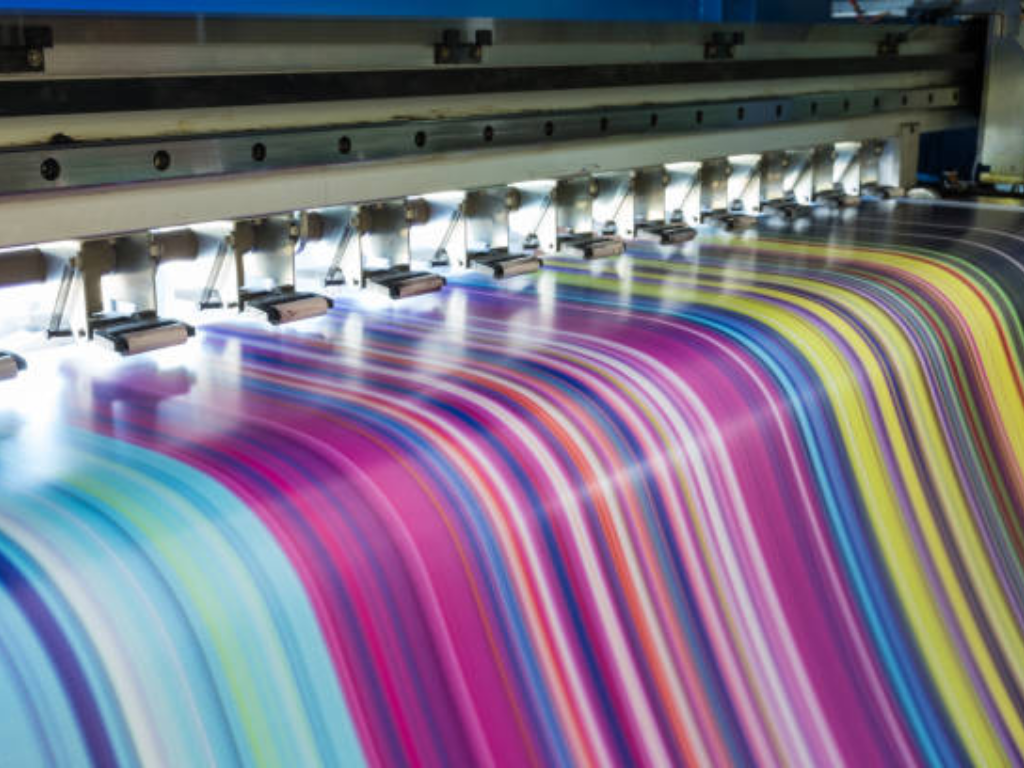
Digital printing is a breakthrough from the old mechanical plate-based systems. These machines can transfer digital files onto the substrate by using either inkjet or electrophotographic (toner-based) technology. This removes the dead time that comes with plate making and mounting and therefore, digital printing is the most responsive solution to the market at hand.
The digital printing machine has become a necessity in an age of SKU explosion and hyper-personalization. It enables manufacturers to make short runs and custom prototypes that have zero setup waste. Although the speed of digital presses has traditionally been lower than that of analog systems, 2026 will see the emergence of a new generation of high-speed inkjet presses that will start to compete with flexo in the mid-run market. Digital printing has a straightforward economic rationale: it exchanges high ink prices with low set-up prices, which makes it the best instrument of a just-in-time production and localized marketing campaigns.
Offset Printing Machine
The gold standard of precision and detail in the folding carton segment is offset lithography. This is based on the chemical repulsion between water and oil. The image area on a flat plate is oleophilized (made ink-attracting), and the non-image area is hydrophilized (made water-attracting). The ink is then transferred to a rubber blanket and then offset onto the substrate.
The rubber blanket enables a very smooth transfer even on slightly textured paperboards, accommodating various packaging materials. This gives the sharpest text and the most accurate photographic reproductions in the industry. The use of offset machines is mostly used in pharmaceutical packaging, cosmetics boxes, and high-quality food cartons. They need more sophisticated ink-water balance control than flexo, but the sheer resolution they can achieve is a brand security that high-end manufacturers cannot afford to compromise.
Key Substrates: Matching Printing Machines with Materials
A printing machine is not a machine that works in a vacuum; it is a machine that is in a continuous physical conversation with the substrate. Effective incorporation of technology involves a thorough knowledge of the behavior of ink on various materials and surfaces. The printing process is a mediator between raw material and brand identity and the wrong bridge may result in disastrous failure in adhesion or legibility.
Papier et carton : Paper is porous and very absorbent. It needs inks that have large pigment loads and machines that can handle the wicking effect where the ink flows between the fibers. The major players in this category are flexo and offset, but digital inkjet is gaining ground. The main problem is that it is necessary to keep the dimensions stable because paper may swell or shrink depending on the amount of moisture in the ink.
Flexible Films (PE, PP, PET): Plastic films are non-porous and have low surface energy, which complicates the adhesion of ink. Such materials usually need a corona treatment unit built into the printing press to rough up the surface on a molecular scale. In the food industry, Gravure and CI (Central Impression) flexo machines are designed with the special needs of these films, which are of high tension and elasticity.
Aluminum Foil and Metallic Substrates: Foils are very reflective and totally non-absorbent. This involves special drying systems, which are usually in gravure presses, and high-opacity inks to ensure that the metallic background does not dull the colors. The stiffness and thermal conductivity of the foil imply that the temperature regulation and tension mechanisms of the machine should be extremely accurate to prevent the fragile material.
Essential Features to Evaluate Before Your Investment
In auditing a prospective printing machine, the decision-maker should not be limited to the frame but look at the four pillars of mechanical integrity that determine the quality of output.
Système de contrôle de la tension
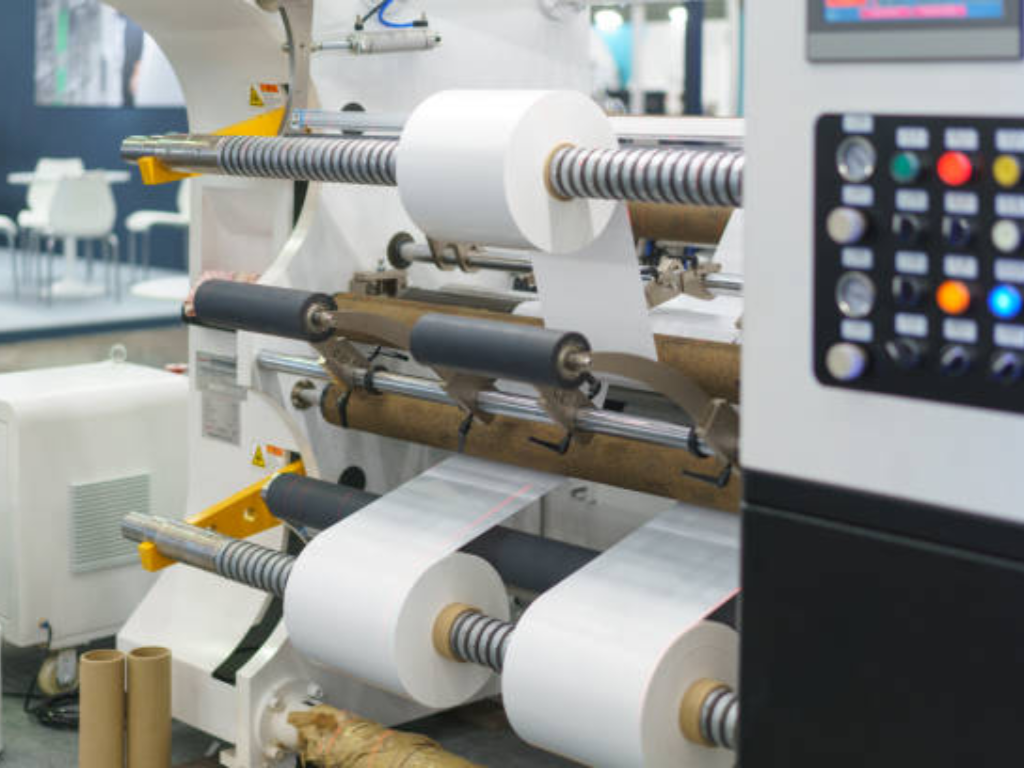
Tension is the unseen factor that defines success in any web-fed printing operation (Flexo or Gravure). The substrate is exposed to different forces as it passes through the unwind to the rewind at a rate of more than 300 meters per minute. An advanced tension control system uses load cells and dancer rollers to ensure a constant pull on the material. When the tension is excessive, the substrate, particularly thin films, will stretch and distort the image. When it is too low, the web will shake and lead to errors in registration. An automatic, real-time adjusting closed-loop system is no longer a luxury; it is a requirement of high-speed accuracy.
Drying Capacity
The rate of a printing press is frequently not restricted by the mechanical power of the press, but by the drying capacity. Unless the ink is completely dry when the substrate arrives at the next printing station or the rewind, set-off or smearing will take place, this is done in gravure printing using high velocity heated air nozzles in long drying tunnels. It uses high-intensity LED lamps in UV-Flexo. A buyer should consider the drying to speed ratio: when you purchase a 400m/min machine, but your drying system can only dry 200m/min of your particular ink coverage, you have literally thrown half of your money away.
Register Accuracy
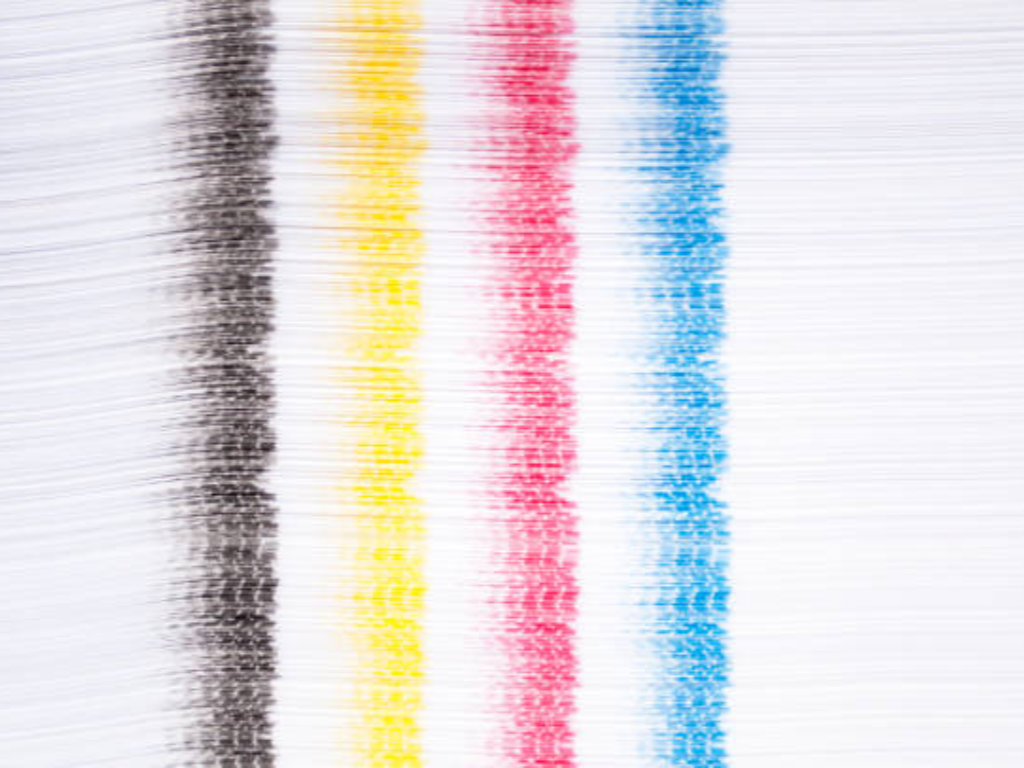
Register is the exact positioning of the various layers of color. When the cyan, magenta, yellow and black plates are misaligned by a fraction of a millimeter, the image will be blurred. The current-day packaging printing machines have automatic register control systems (ARC), which are quality control optical sensors that read small marks on the edge of the web. These sensors transmit signals to the plate cylinders to provide micro-adjustments in real-time. In the 2026 market, seek one-touch or zero-waste registration systems that are capable of aligning the press during the startup phase, which will save a lot of material wastage.
Précision des couleurs
Brand color is an unchangeable asset in the B2B world. A red Coca-Cola or a green Starbucks should be the same one printed in Shanghai or Chicago. The assessment of color accuracy is done by examining how the type of printing machine can sustain a steady film of ink and its compatibility with spectrophotometric measuring devices. High-end presses now have an option of In-line Color Measurement, which displays a continuous Delta E value during the run. This aspect makes the color of the first roll of a thousand the same as the first.
A Strategic Step-by-Step Guide on How to Choose the Right Printing Press
The procurement process is a complex process that needs a rational filter to eliminate marketing noise. This selection guide is the guide to investment, which makes sure that the machine you purchase today is the one you require tomorrow.
Step 1: Measure Your Order Profile. Start by measuring your average run length. A digital press will probably be your most lucrative option if 80 percent of your orders are less than 5,000 units. When you are dealing with the global FMCG (Fast-Moving Consumer Goods) market and you have to make orders in the hundreds of thousands, Flexo or Gravure is obligatory.
Step 2: Select the Substrat Range. List all the materials you want to print. When you intend to print heavy-duty paper sacks and ultra-thin shrink sleeves, you require a machine that has a very wide tension range and modular drying options. Do not expect a general-purpose machine to be useful with specialized substrates.
Step 3: Assess Technical Support and Spare Parts. The most advanced machine in the world is a liability when it spends three weeks waiting to get a certain sensor. Evaluate the local presence of the manufacturer. Are they technicians in your area? Do the wear-and-tear components (doctor blades, anilox rollers, gaskets) have local stock?
Step 4: The Total Cost of Ownership (TCO) Model Escape the Sticker Price Trap. A machine that is 50,000 cheaper to purchase but uses 20 percent more energy and produces 5 percent more waste will be more expensive in the first 18 months of operation. Power consumption, ink wastage during setup and the number of operators to operate the line should be included in your financial modeling.
Step 5: Check the Credibility and R&D Pedigree of the Manufacturer. The choice of a type of machinery is, in a way, a choice of a partner. A trustworthy manufacturer must show a stable pattern of R&D expenditure and a clear supply chain. Research their patent portfolio and industry certifications (CE or ISO). In addition to the slick brochure, ask them to give you a live tour of the factory, either physically or virtually, to see how they assemble and how they control quality. A company that manufactures its own internal parts, not just assembling third-party ones, generally provides better long-term machine stability and technical understanding.
Step 6: Future-proof and Modularity. Your business needs in 2026 might not be what they will be in 2030. Assess the printing press to determine whether it is based on a modular platform. Is it possible to add more color stations, cold foil units, or in-line lamination modules in the future? In addition, ask about the software architecture of the machine. Does it work with future AI-based production management tools? A machine with no ability to update its software over the air or to add or remove hardware modules is a fixed asset in a dynamic market, doomed to early obsolescence.
Step 7: Operator Ergonomics and Automation Levels. The ease of use of the machine is a critical variable of operation due to the global shortage of skilled master printers. Review the Human-Machine Interface (HMI) – is it user-friendly, or do you need a PhD to use it? Automation features to look out for include: Auto-Register and Automatic Wash-up Systems. The greater the machine is able to do the heavy lifting of the setup and cleanup process, the less your business is reliant on highly specialized labour, which stabilizes your production costs and quality, including considerations for the type of packaging used.
KETE: High-Performance Flexo and Gravure Solutions
In the landscape of industrial manufacturing, KETE has established itself as a proponent of balanced engineering and effective packaging solutions. While many competitors focus exclusively on either high-end luxury héliogravure or entry-level flexo, KETE has focused on the “Performance-to-Value” equilibrium. To facilitate a more granular assessment of KETE’s mechanical capabilities, the integrated table below provides a systematic comparison of our premier rotogravure and flexographic systems across critical operational dimensions.
| Model Series | Technologie d'impression | Vitesse mécanique max. Vitesse mécanique | Color Range | Target Substrates | Control Core & Key Features | Register Accuracy |
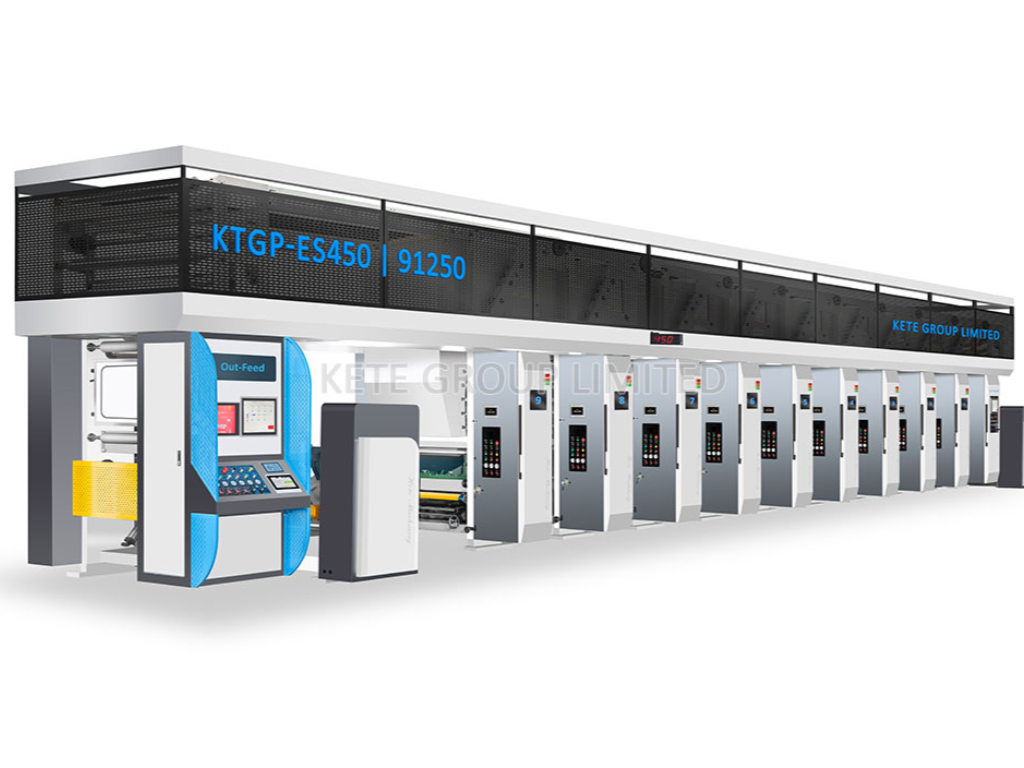
| KTGP-ES450 | Héliogravure | 450 m/min | 2 – 12 Colors | Plastic Film (PE, PET, BOPP) | Full Servo Drive / Auto Color Register | ±0.10 mm |
| KTGP-MS250 | Héliogravure | 250 m/min | 2 – 10 Colors | Complex Film / Aluminum Foil | 7-Motor Tension System / Video Inspection | ±0.12 mm |
| KTGP-MS150 | Héliogravure | 150 m/min | 4 – 8 Colors | Aluminum Foil / Complex Materials | Shaftless Drive / High-Stability Tension | ±0.15 mm |
| KTFP-S250 | Flexo | 250 m/min | 2 / 4 / 6 / 8 | Paper, Film, Aluminum Foil | Computer Control / PLC Automation | ±0.20 mm |
| KTFP-S200P | Flexo | 200 m/min | 2 / 4 / 6 / 8 | Paper Roll, Cups, & Bags | Specialized Paper Feed Architecture | ±0.25 mm |
| KTFP-S180FFS | Flexo | 180 m/min | 2 – 6 Colors | FFS Heavy-duty PE Film | Dedicated FFS Tension Management | ±0.20 mm |
| KTFP-S150T | Flexo | 150 m/min | 2 / 4 / 6 | Tissue Paper / Napkins | Inline Sheeting & High-Absorbency Path | ±0.30 mm |
| KTFP-S90/70 | Flexo | 70-90 m/min | 2 / 4 / 6 / 8 | Non-Woven Fabric / Polyfilm | Cost-Effective Manual Register | ±0.50 mm |
Common Challenges and Pitfalls in Printing Machine Procurement
The market of industrial equipment is full of contingencies that can ruin a good business plan. Over-specification is one of the most frequent traps. Manufacturers tend to buy machines with 10 color stations when they only need 6 color stations in their current and future business. This causes unnecessary capital tie-ups and increased maintenance costs.
The other major problem is Software Hardware Mismatch. Proprietary software is becoming more popular in modern presses. When the manufacturer employs a closed-source system that is not compatible with your current ERP (Enterprise Resource Planning) or MIS (Management Information System), you will establish an information silo that will not allow you to properly track production information.
Finally, the common mistake is to disregard the substrate and printing quality. Versatility when testing. Manufacturers frequently run the machine with a roll of paper supplied by the vendor that is perfect, only to discover that when they run it with their own, less expensive, local substrate, the tension and drying systems of the machine are challenged. Always demand a factory acceptance test (FAT) with your materials and inks.
Besides the critical points discussed, there are other logistical and technical aspects that tend to dictate the success of an acquisition in the long term. These are also part of the procurement strategy that will help reduce risk.
The Secondary Cost Oversight. More than the initial capital outlay and energy usage, most purchasers do not consider the long-term cost of proprietary consumables. Other manufacturers design their presses to accept only their branded doctor blades, seals, or certain ink delivery parts. These lock-in costs can slowly eat away the margins of high-volume runs over a five-year lifecycle. Make sure that the machine is based on open-standard consumable specifications to retain purchasing leverage.
The Training and Knowledge Gap. A state-of-the-art packaging machinery press is as effective as the operator. One of the pitfalls is the failure to consider the “Transition Period” that the staff needs to learn the new automation interfaces. Procurement must contain a formal agreement of multi-stage training, not only three-day training during installation, but also a follow-up audit three months after the live production. In the absence of this, you may not fully use the advanced features that you paid for, like automated register adjustment.
Utility Infrastructure Incompatibility. Lastly, Facility Readiness is often underestimated. A high-performance gravure or flexo press has certain demands of constant compressed air volume, special industrial grounding of power, and local exhaust ventilation of solvent-based systems. Learning that your plant needs a new electrical grid upgrade of 30,000 dollars when the machine is already on the factory floor is an expensive logistical nightmare that can be prevented with a pre-installation site audit.
Sustainability Trends: Future-Proofing Your Packaging Production
Sustainability is no longer a fringe benefit; it is a compliance issue. The Packaging and Packaging Waste Regulation (PPWR) of the EU and other such measures in North America are compelling a shift towards monomaterial constructions and water-based ink systems. It is a planned obsolescence exercise to invest in a machine that is incapable of supporting these green requirements.
The current trends in sustainability are concerned with Waste Minimization by enhancing registration and Energy Recovery. Most new gravure presses have heat exchange systems that collect the hot air in the drying tunnels and reuse it to pre-heat the incoming air, saving up to 30 percent of electricity. Moreover, the capacity of a machine to print on thinner, down-gauged films without tearing is a key determinant in the minimization of the total carbon footprint of the packaging. In this regard, sustainable technology is a buffer against market uncertainty, which cushions the producer against carbon taxes and consumer boycotts in the future.
Conclusion
The choice of a printing machine used in packaging is a high-stakes calculation, which involves balancing mechanical capacity, material science, and economic vision. It is up to you to choose the high-volume consistency of a flexographic press, the unmatched print quality of gravure, or the nimble flexibility of digital technology, but the success of your investment depends on how well you pay attention to the technical pillars of tension, drying, and registration. Through a systematic approach to selection and selecting partners who focus on performance and sustainability, you can turn your printing operation into a growth engine rather than a cost center. The manufacturers that will succeed in the industry as it shifts towards a more automated and environmentally friendly future will be those that do not see their equipment as hardware, but as a strategic resource in a fast-changing global market.