 FR
FR  EN
EN  RU
RU  ES
ES  AR
AR  PT
PT  IT
IT  ID
ID  KO
KO  TR
TR  DE
DE  VN
VN  TH
TH  IN
IN 
Vous recherchez le prix d'une machine d'impression flexographique à 8 couleurs. Et vous vous êtes sans doute déjà heurté au même obstacle que tous les acheteurs : il n'y a pas de réponse unique. Les chiffres que vous trouvez en ligne vont de moins de $15 000 à bien plus d'un demi-million de dollars. Chaque annonce semble décrire une machine qui semble à peu près identique.
La confusion est bien réelle, mais elle n'est pas le fruit du hasard. Le prix d'une presse flexographique à 8 couleurs obéit à une structure prévisible dès lors que l'on comprend les trois variables qui le déterminent : architecture de la machine, caractéristiques techniqueset pays d'origine.
Ce guide détaille précisément les coûts auxquels vous devez vous attendre pour chaque type de machine flexographique 8 couleurs. Il explique les raisons de ces écarts de prix. Il met en lumière les coûts cachés que la plupart des devis des fournisseurs omettent de mentionner. Enfin, il vous fournit un cadre pratique pour évaluer les devis, afin que vous puissiez établir votre budget en toute confiance et négocier en toute connaissance de cause.
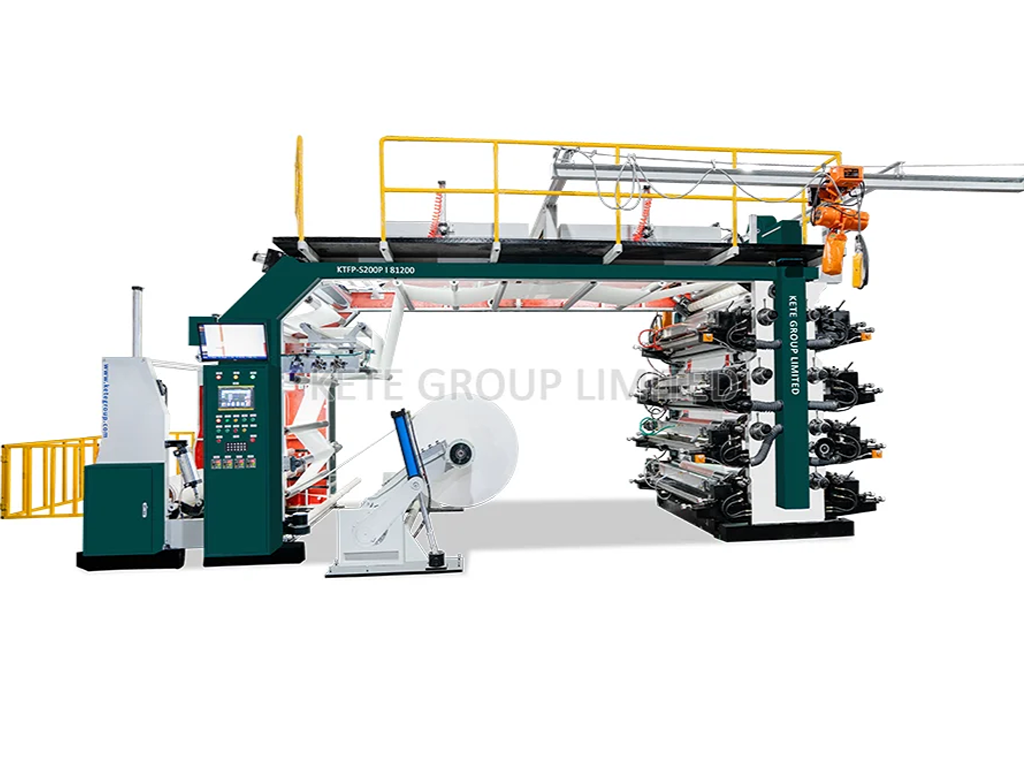
« Stack », « CI » ou « Gearless » : les trois types de machines flexographiques à 8 couleurs
Avant d'aborder la question des prix, vous devez bien comprendre ce que vous achetez réellement. Une « machine d'impression flexographique 8 couleurs » ne correspond pas à une catégorie de produit unique. Il s'agit en réalité de trois architectures de machines fondamentalement différentes, chacune se situant dans une fourchette de prix totalement distincte.
| Type de machine | Structure de base | Vitesse typique | Précision de l'enregistrement | Tranche de prix |
|---|---|---|---|---|
| Type de pile | Stations de couleur indépendantes empilées verticalement ; conception à structure ouverte | 100 à 120 m/min | ±0,15 mm | 100 000 à 1 000 000 |
| CI (Central Impression) | Les 8 couleurs s'impriment autour d'un tambour central commun ; structure fermée et rigide | 200 à 300 m/min | ±0,10 mm ou mieux | De une à quatre tonnes par tonne, sur un total de 180 000 à 600 000 tonnes |
| Servomoteur sans engrenage | Chaque poste de couleur est actionné par un servomoteur indépendant ; arbre de transmission électronique | plus de 300 m/min | ±0,05 mm | $500K–$2M+ |
Voyez les choses ainsi : une machine à 8 couleurs de type « stack » est un outil de travail fiable, conçu pour les tâches quotidiennes d’emballage souple : sacs en plastique, sacs de courses, emballages de base. Une presse CI est le choix de niveau industriel pour les emballages stratégiques pour la marque, où le repérage des couleurs doit être parfait à chaque fois, à des vitesses plus élevées. Une presse CI servo sans engrenages se situe au sommet de la pyramide. Elle est conçue pour les transformateurs qui réalisent des travaux haut de gamme à grande variété et en petites séries, et qui ont besoin d’une précision inférieure à 0,1 mm avec un minimum de déchets de mise en route.
À retenir : Si deux fournisseurs vous proposent respectivement des devis de $25 000 et $250 000 pour une « machine flexographique 8 couleurs », cela signifie qu’ils ne font pas référence à la même catégorie d’équipement. La compréhension de ces trois types constitue la base de tout ce qui va suivre.
Prix des machines flexographiques à 8 couleurs — Chiffres réels par type de machine
C'est ici que l'intention de recherche rejoint la réalité. Vous trouverez ci-dessous les fourchettes de prix réelles que vous rencontrerez sur le marché actuel, classées par type de machine, avec des exemples concrets de fournisseurs.
Flexographie à 8 couleurs de type « stack » — Gamme d'entrée de gamme à milieu de gamme ($15 000 – $100 000)
Si vous êtes un petit transformateur ou si vous achetez des machines pour la première fois, c'est probablement dans cette fourchette que se situera votre budget.
Presses à empilage de fabrication indienne se situent dans le bas de la fourchette. Des fournisseurs tels qu’Innovative Flexotech (Ahmedabad) et Mohindra Mechanical Works (Sonipat) proposent des machines flexographiques à empilement de 8 couleurs dont les prix varient entre 1,2 lakh et 2,05 lakh — soit environ $14 500 à $25 000 USD. Il s'agit généralement de machines à entraînement par engrenages, équipées de rouleaux anilox métalliques (100 à 300 LPI), pouvant traiter des largeurs de bande allant de 500 mm à plus de 2 000 mm et dotées d'un repérage mécanique. Elles sont rudimentaires, mais elles impriment. Pour les transformateurs opérant sur des marchés sensibles aux prix et qui impriment des logos monochromes et du texte simple sur des sacs de courses ou des sacs tissés, ces machines font parfaitement l'affaire.
Presses à empilage de fabrication chinoise passez au niveau supérieur. Dans la gamme allant de $40 000 à $100 000, vous bénéficiez de rouleaux anilox en céramique provenant de fournisseurs japonais (200 à 800 LPI), de commandes par écran tactile avec API, d’un contrôle automatique de la tension avec une précision de ±0,3 kg, de systèmes de racles fermés, ainsi que de la prise en charge des encres à base d’eau, de solvants et UV. Les largeurs de bande vont de 600 mm à 2 400 mm. Ces machines dominent le marché de l’exportation dans le segment intermédiaire. Elles constituent le choix idéal pour les transformateurs qui ont besoin d’une production multicolore fiable sans le coût associé aux machines CI.
Ce que vous n'obtenez PAS à ce niveau : servomoteurs, contrôle automatique du repérage ou systèmes de changement rapide à manchon. Si ces fonctionnalités sont importantes pour votre activité, passez à la catégorie suivante.
Flexographie CI 8 couleurs — Milieu à haut de gamme ($180 000–$600 000)
C'est là que réside le cœur du marché de la flexographie industrielle à 8 couleurs, et ce n'est pas sans raison. Une presse à impression centrale regroupe les huit postes d’encrage autour d’un seul tambour de grand diamètre, généralement compris entre 1 000 et 1 500 mm, maintenu à température constante par un système de circulation d’eau réfrigérée. Le tambour élimine l’étirement et la dérive du support qui provoquent des défauts de repérage sur les machines de type empileuses. Le faux-rond total indiqué (TIR) sur un tambour CI de qualité est maintenu à ≤ 0,008 mm.
Les fabricants chinois — en particulier ceux regroupés dans la zone industrielle de Wenzhou-Rui’an, dans la province du Zhejiang — proposent deux niveaux de prix distincts au sein de la catégorie CI :
- Norme CI 8 couleurs: $180 000 à $300 000. Systèmes d’enregistrement automatiques à entraînement par engrenages ou à servo-assistance hybride, séchage électrique/IR/à air chaud, largeurs de bande généralement comprises entre 800 et 1 300 mm. Il s’agit des modèles les plus vendus auprès des transformateurs d’emballages de taille moyenne.
- Servomoteur sans engrenage CI 8 couleurs: de $500 000 à $578 000+. Chaque poste d’impression dispose de son propre servomoteur indépendant (Siemens, Yaskawa ou Delta), synchronisé via un arbre de transmission électronique. Les cylindres porte-plaques à manchon permettent des changements de travail rapides, réduisant le temps de mise en route de 50% ou plus par rapport au montage traditionnel des plaques. Ces machines intègrent également généralement des systèmes d’inspection en ligne de la bande et un rappel des travaux basé sur des recettes.
À titre de référence, le modèle de presse flexographique CI chinoise le mieux classé sur les plateformes B2B mondiales est la série CHCI8 de Wenzhou Changhong, équipée d'un système complet d'entraînement servo et de manchons, dont le prix est estimé à environ $578 000.
Flexographie européenne haut de gamme à 8 couleurs — de $800 000 à $2 000 000+
Bobst (Suisse), Comexi (Espagne) et Windmöller & Hölscher (Allemagne) dominent le segment haut de gamme. Ces machines affichent un surcoût de 30 à 60% par rapport à des configurations CI chinoises comparables. Ce pour quoi vous payez : des décennies d’amortissement des coûts de R&D, des réseaux de service après-vente locaux sur tous les principaux marchés, des tolérances de fabrication plus strictes qui se traduisent par une durée de vie plus longue, et une notoriété de marque qui compte lorsque vos propres clients inspectent votre chaîne de production.
La plupart des acheteurs qui recherchent « prix d’une machine d’impression flexographique 8 couleurs » n’envisagent pas d’investir dans des machines européennes. Mais il est utile de savoir que ce plafond existe : cela permet de considérer la gamme chinoise CI $200K–$500K comme une offre au rapport qualité-prix raisonnable, et non comme une dépense extravagante.
Type de pile
100 000 à 1 000 000
Impression 8 couleurs d'entrée de gamme pour les travaux quotidiens d'emballage souple
CI Type
De une à quatre tonnes par tonne, sur un total de 180 000 à 600 000 tonnes
Impression industrielle à impression centrale pour les travaux où la couleur est essentielle à l'image de marque
Servomoteur sans engrenage
$500K–$2M+
Précision assurée par servocommande pour une production haut de gamme à grande diversité et en petites séries
Pourquoi les prix de l'impression en 8 couleurs varient-ils entre 1 TP 4 T 15 K et 1 TP 4 T 500 K+ ? — Les véritables facteurs de coût
Une fois que l'on a pris connaissance de ces chiffres, la question qui vient naturellement à l'esprit est la suivante : qu'est-ce qui fait qu'une machine à 8 couleurs coûte exactement 30 fois plus cher qu'une autre ? La réponse s'articule autour de trois aspects.
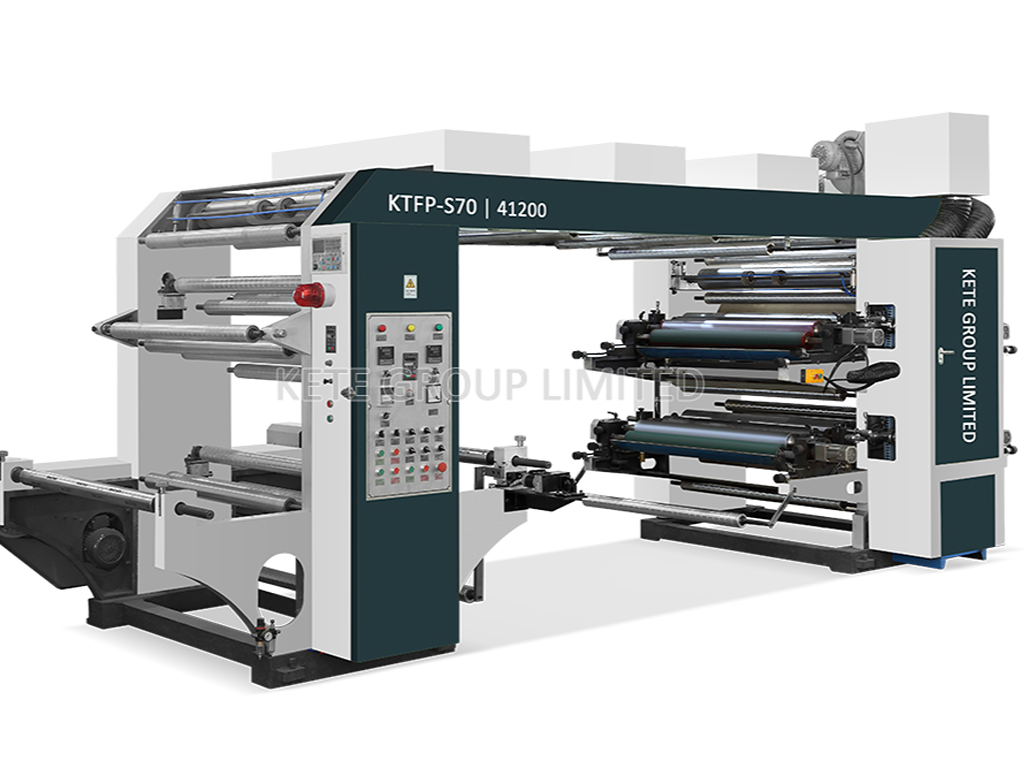
Largeur de bande et vitesse : les deux facteurs qui déterminent le coût de base
Ce sont là les facteurs de coût les plus directs, et leur logique relève de la physique élémentaire. Une bande plus large implique que chaque composant mécanique soit proportionnellement plus grand : des rouleaux plus longs, des châssis plus lourds, des tunnels de séchage plus grands, des dérouleurs et enrouleurs plus imposants. Passer d’une largeur de bande de 600 mm à une largeur de 1 600 mm ne se traduit pas simplement par un doublement du coût des matériaux. Cela modifie la classe structurelle de la machine. Le châssis passe d’une structure en tôle d’acier soudée à une structure en fonte pour amortir les vibrations. Les roulements passent de la catégorie standard à la catégorie de précision.
La vitesse est le deuxième facteur multiplicateur. Une machine fonctionnant à 70 m/min peut se contenter d’un entraînement par engrenages classique et d’un contrôle de tension par frein à poudre magnétique. Passez à 200 m/min, et vous aurez besoin d’un dérouleur/enrouleur à servocommande, d’un contrôle dynamique de la tension avec une précision de ±0,1 kg, ainsi que de systèmes de séchage capables de durcir complètement l’encre à cette vitesse. Passez à plus de 300 m/min, et vous entrez dans un tout autre univers technique. Chaque composant rotatif doit être équilibré dynamiquement. Le châssis nécessite une analyse par éléments finis pour déterminer les modes de vibration. Le système de repérage doit offrir des temps de réponse inférieurs à la milliseconde.
Un exemple concret : deux machines d'empilage à 8 couleurs, toutes deux d'une largeur de bande de 1 200 mm. L'une fonctionne à 80 m/min avec un entraînement par engrenages. L'autre fonctionne à 150 m/min avec un système de tension servo-assisté et un système de séchage à haute capacité. La machine la plus rapide coûte environ 60 à 100% de plus. La différence réside entièrement dans la nomenclature.
La différence de prix entre ces deux machines (modèles 60–100%) tient entièrement à la nomenclature : châssis plus épais, roulements de précision, système de tension servocommandé et système de séchage à grande capacité. Vous payez pour la technologie, pas pour une marque.
Automatisation et qualité des composants — Où va l'argent invisible ?
C'est cet aspect qui déroute le plus les acheteurs novices. Deux machines peuvent présenter des fiches techniques apparemment identiques : « 8 couleurs, 1 200 mm, 120 m/min ». Et pourtant, l'une coûte $60 000 tandis que l'autre coûte $160 000. La différence réside dans leurs caractéristiques techniques.
| Composant | Niveau débutant | Niveau Premium | Impact sur les prix |
|---|---|---|---|
| Système d'entraînement | Train d'engrenages, moteur principal unique | Servomoteur indépendant par poste (Yaskawa/Siemens) | 3 à 5 fois× |
| Inscription | Réglage manuel, dépendant de l'opérateur | Automatique (BST Eltromat ou équivalent), en boucle fermée | +$30K–$80K |
| Rouleaux anilox | Métal, 100 à 300 LPI | Céramique, gravure au laser, 200 à 1 000 LPI (marque japonaise) | 5 à 10 fois la durée de vie |
| Roulements | National | NSK (Japon) / ASNU (Allemagne) | 3 à 5 fois la durée de vie |
| Automates programmables et systèmes de commande | Écran tactile de base | IHM complète avec mémoire de recettes et diagnostics à distance | +$10K–$30K |
Une machine équipée de servomoteurs Yaskawa, d'un système de repérage automatique BST, de rouleaux anilox en céramique japonais et de roulements de précision NSK sur l'ensemble de son système n'est pas « trop chère ». Sa nomenclature est fondamentalement différente de celle d'un modèle d'entrée de gamme. La différence de prix reflète des composants que l'on peut toucher, et non pas simplement un logo de marque.
Lieu de fabrication — Logique de tarification : Inde, Chine et Europe
La répartition géographique de la production de presses flexographiques se traduit par une structure de coûts clairement articulée en trois niveaux.
Inde bénéficie des coûts de main-d'œuvre les plus bas du secteur et d'une chaîne d'approvisionnement mécanique locale. Des fabricants indiens tels que Mohindra et Innovative Flexotech construisent des machines fonctionnelles et sans fioritures à des prix qu'aucun autre pays ne peut égaler. Le compromis réside dans l'approvisionnement en composants : les servomoteurs, les automates programmables et les rouleaux anilox de précision d'une machine indienne sont généralement importés. Si l'acheteur ne les spécifie pas, ils risquent de ne pas être inclus.
Chine — et plus précisément le corridor Rui’an-Wenzhou dans le Zhejiang — constitue le centre de gravité mondial de la fabrication de presses flexographiques de milieu et haut de gamme. Plus de 100 fabricants opèrent au sein de ce pôle, créant ainsi un écosystème dense de fournisseurs spécialisés pour chaque composant. Cet effet d’agglomération, combiné au crédit de TVA chinois « 13% » sur les exportations de machines, permet d’obtenir ce qui est sans doute le meilleur rapport qualité-prix au monde pour les presses CI et les presses à empilement haut de gamme.
L'Europe (Suisse, Espagne, Allemagne) occupe le haut de gamme grâce à des réseaux de services locaux entièrement intégrés, une durée de vie mécanique plus longue et une notoriété de marque qui fait la différence pour les transformateurs fournissant des marques multinationales.
Si vous envisagez d'acheter une presse CI 8 couleurs et que votre budget est inférieur à $500 000, la Chine est la destination d'approvisionnement la plus judicieuse. La qualité des machines issues du haut de gamme de la fabrication chinoise est véritablement compétitive. Le prix est généralement 40–60% moins qu'un équivalent européen.
Au-delà de la facture : les coûts cachés qui déterminent le montant réel de votre investissement
Voici un chiffre que vous ne trouverez sur la fiche produit d’aucun fournisseur : une machine flexographique à pile de 8 couleurs de type $50 000 vous coûtera généralement De $65 000 à $85 000 à mettre en service dans votre usine dès la première année. Sur cinq ans, le coût total de possession sera deux à trois fois supérieur au prix d'achat.
C'est à ce stade que s'arrêtent la plupart des contenus en ligne. C'est également là que se concentre votre véritable budget.
Frais de transport, droits de douane et coûts d'importation — La livraison de la machine chez vous
Une machine flexographique à empilement de 8 couleurs, mise en caisse pour l'exportation, occupe environ 35 à 50 mètres cubes. Une presse CI avec son tambour central peut occuper entre 50 et 80 m³. Un conteneur « high-cube » de 40 pieds, de Shanghai vers les principaux ports d’Afrique, du Moyen-Orient ou d’Asie du Sud, coûte environ entre $3 000 et $8 000, selon l’itinéraire et la compagnie maritime.
Viennent ensuite les coûts qui prennent les importateurs novices au dépourvu :
- Droit à l'importation: Les machines d'impression flexographique relèvent du code SH 8443.16. Les taux de droits de douane varient considérablement d'un pays à l'autre, allant de 0 à 51 TP3T dans certaines juridictions favorables au commerce à 25–351 TP3T sur les marchés protectionnistes. Vous devez vérifier le barème tarifaire de votre pays avant d'établir votre budget.
- Manutention portuaire et dédouanement: Prévoir un budget compris entre $1 000 et $3 000 pour les frais de courtage, de documentation et de manutention au terminal.
- Transport terrestre: Le transport d'une caisse de plusieurs tonnes du port à l'usine peut entraîner un surcoût compris entre 1 000 et 5 000, selon la distance et l'état des routes.
Une règle empirique réaliste : ajouter 15–25% au prix FOB afin d'obtenir un coût de livraison à l'entrée de votre usine.
Installation, mise en service et formation des opérateurs — La phase de démarrage
Une machine d'impression flexographique n'est pas un micro-ondes. Elle ne fonctionne pas dès que vous la branchez. L'installation et la mise en service constituent un processus qui s'étend sur plusieurs jours et qui détermine directement si votre nouvelle machine imprimera des produits commercialisables dès la première semaine ou si elle restera à l'arrêt pendant un mois.
Vous avez trois options :
- Détachement d'ingénieurs d'usine: Le fournisseur envoie un technicien (ou une équipe) sur votre site. Vous prenez en charge les frais de transport aérien, l'hébergement et une indemnité journalière comprise entre $200 et $500. Pour une machine de type « stack », l'installation dure de 3 à 5 jours. Pour une presse CI, prévoyez entre 7 et 14 jours. C'est l'option la plus coûteuse — mais aussi la plus sûre.
- Accompagnement vidéo à distance: L'ingénieur du fournisseur guide votre équipe tout au long de l'installation par visioconférence. Cette solution est gratuite ou peu coûteuse, mais ne fonctionne que si vous disposez sur place de personnel ayant des compétences en mécanique. En cas de problème, le dépannage à distance via un écran de téléphone est lent.
- Technicien tiers local: Faire appel à un technicien indépendant dans votre pays peut vous permettre de réaliser des économies sur les frais de déplacement, mais la qualité est aléatoire et la garantie du fournisseur risque de ne pas couvrir les interventions effectuées par un tiers non affilié.
La formation des opérateurs constitue un poste budgétaire distinct. La formation de base dure entre 2 et 3 jours. La formation aux compétences avancées — ajustement des couleurs, optimisation de la tension, maintenance préventive — dure entre 5 et 7 jours. Si vous ne suivez pas cette formation, vous finirez par en payer le prix plus tard, sous forme de rebuts, de temps d'arrêt et d'une durée de vie réduite de la machine.
Consommables, entretien et coûts d'exploitation sur 5 ans
C'est là que se cache le véritable profit. La machine, c'est l'apport initial ; les consommables, c'est le crédit immobilier.
| Catégorie de coûts | Estimation annuelle (en dollars américains) | Soit % du prix de la machine (pour une unité $80K) |
|---|---|---|
| Plaques d'impression (photopolymère) | $5 000 – $15 000 | six à dix-neuf un trois trois trois |
| Encres (à base d'eau / à base de solvants / UV) | $10 000 – $40 000 | Treize à cinquante et un mille trois cent trente-trois |
| Remplacement / ré-gravure des rouleaux anilox | $2 000 – $8 000 | Trois à dix pièces d'un pence |
| Pièces de rechange et entretien courant | $2 000 – $10 000 | De trois à treize pièces d'un pence |
| Électricité (moteurs, séchoirs, compresseurs) | $5 000 – $15 000 | six à dix-neuf un trois trois trois |
Une plaque d'impression en photopolymère a une durée de vie de 1 à 3 millions d'impressions. Un rouleau anilox en céramique, correctement entretenu grâce à un nettoyage régulier par ultrasons, a une durée de vie de 3 à 5 ans. Les lampes de séchage UV ont une durée de vie de 1 000 à 2 000 heures, et doivent être remplacées toutes les $200 à $500 par lampe. Ces coûts ne constituent pas une surprise si vous les anticipez. En revanche, ils représentent des dépenses importantes si vous ne les prévoyez pas.
Le calcul est simple : si votre machine 8 couleurs fonctionne 8 heures par jour et produit $200 d'imprimés par heure, elle sera amortie en 12 à 18 mois. La question n'est pas de savoir si vous pouvez vous permettre d'acheter cette machine, mais si vous pouvez vous permettre les temps d'arrêt et les rebuts liés au choix d'une machine ne bénéficiant pas de l'assistance nécessaire pour assurer son bon fonctionnement.
Avant de vous engager auprès d’un fournisseur, demandez à consulter les détails : la durée de la garantie et ce qu’elle couvre, si les frais d’expédition des pièces de rechange sont pris en charge, et en quoi consiste le service après-vente une fois que l’équipe d’installation est partie. Certains fabricants — notamment le groupe chinois KETE, qui exporte chaque année plus de 200 presses flexographiques vers plus de 80 pays — ont bâti leur réputation sur un suivi transparent de la production, avec des mises à jour sur l’avancement des étapes clés (photos et vidéos à l’achèvement des étapes 1%, 30%, 60% et 90%), des tests d’échantillons avant expédition utilisant les propres matériaux du client, ainsi que l’envoi d’ingénieurs à l’international pour l’installation et la formation sur site. A Garantie standard d'un an (pouvant aller jusqu'à 2 ans sur certains modèles) avec remplacement gratuit des pièces détachées, frais de port compris — à l'exception des dommages causés par l'utilisateur —, voilà ce qu'un fournisseur sérieux se doit d'offrir au minimum. Si un fournisseur reste vague quant à ses conditions d'assistance, considérez ce flou comme un coût que vous n'avez pas encore quantifié.
Obtenez un détail complet des tarifs pour votre région.
Comprend des estimations des frais de livraison, des conseils sur les droits d'importation et les coûts d'installation adaptés à votre lieu de résidence.
Avez-vous vraiment besoin de 8 couleurs ? Guide pratique pour adapter votre investissement à vos besoins
Vous avez cherché le prix d'une machine à 8 couleurs. Mais voici une question qui vaut entre $20 000 et $100 000 : avez-vous vraiment besoin de huit couleurs ?
Chaque poste d'impression supplémentaire engendre des coûts supplémentaires à quatre niveaux : l'investissement (prix de la machine), les consommables (un jeu de plaques supplémentaire, un rouleau anilox supplémentaire, une référence d'encre supplémentaire), le temps (8 à 15 minutes supplémentaires par changement de travail) et la complexité (davantage de variables à contrôler, davantage d'éléments susceptibles de s'écarter des spécifications).
Logos et textes sur les sacs de courses et les emballages
Retour sur investissement le plus rapide. Les stations supplémentaires resteraient inutilisées sur 90% de vos commandes. Logos simples en une seule couleur et impression basique d'emballages.
Emballages de marque pour snacks et cosmétiques
Couvre le quadrichromie CMJN + 2 couleurs d'accompagnement. Il s'agit de la configuration la plus couramment utilisée par la plupart des transformateurs du marché intermédiaire.
Emballage haut de gamme pour marques proposant plusieurs références
Gamme complète et plusieurs couleurs d'accompagnement en ligne simultanément. Une solution justifiée lorsque la diversité des travaux l'exige au quotidien.
Emballages souples haut de gamme en petites séries
La mise en place de postes supplémentaires permet de réduire la fréquence des opérations de nettoyage et de changement de production. Le surcoût d'investissement est compensé par une amélioration du taux de rendement global des équipements.
Le critère qui compte : examinez vos 50 derniers travaux. Combien d'entre eux ont réellement utilisé plus de 6 couleurs ? Si la réponse est « cinq ou moins », Passer d'une machine à 6 couleurs à une machine à 8 couleurs n'est pas synonyme de croissance. Il s'agit d'un surinvestissement. Les économies réalisées (de 40 000 à 100 000) en choisissant le nombre de couleurs adapté peuvent financer une année de consommables, permettre d'embaucher un opérateur supplémentaire ou couvrir les frais d'expédition et d'installation qui ne sont pas pris en charge par la facture de la machine.
Obtenir la meilleure offre — Comment évaluer les devis et choisir un fournisseur
Vous connaissez désormais les fourchettes de prix, vous comprenez les facteurs qui influent sur les coûts et vous disposez d'un cadre vous permettant de déterminer si le choix de 8 couleurs est le bon. La dernière étape consiste à mettre ces connaissances au service d'une décision d'achat judicieuse.
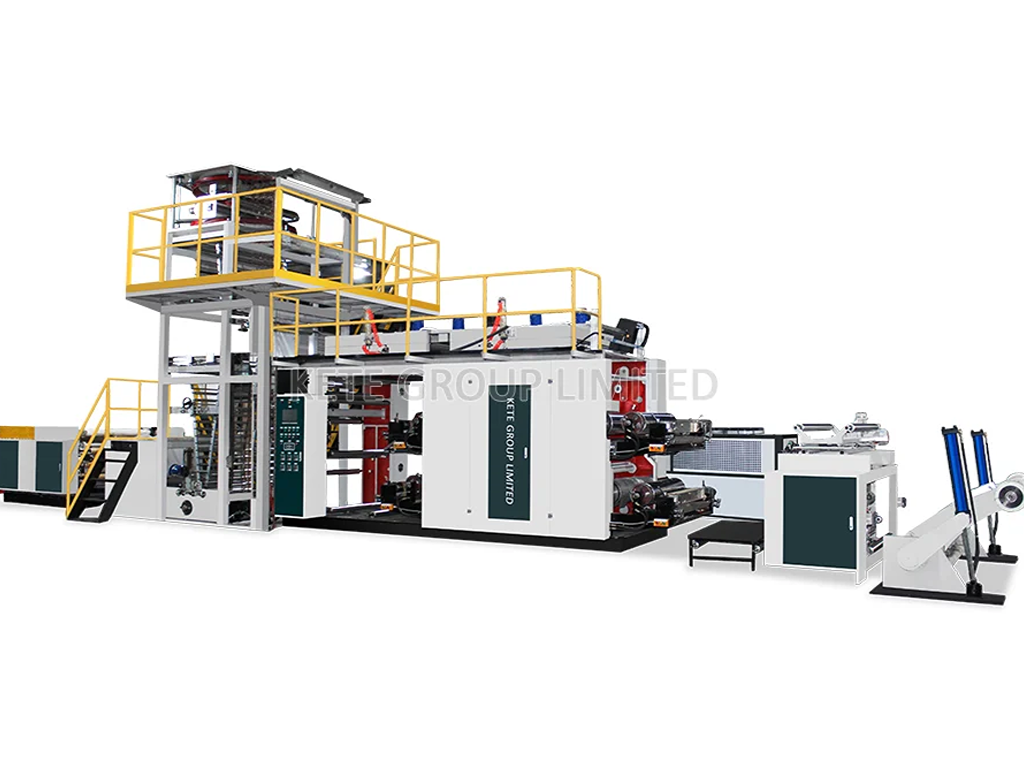
Les 7 questions auxquelles tout devis de fournisseur doit répondre
Lorsque trois devis atterrissent sur votre bureau et que les prix indiqués sont respectivement $28 000, $65 000 et $185 000 — tous pour des « machines d’impression flexographique 8 couleurs » —, ces sept questions vous permettront de déterminer quel devis est honnête et lequel cache quelque chose :
1. L'installation et la mise en service sont-elles comprises dans le prix ?
Sinon, demandez un devis distinct pour cet élément.
2. Quelles sont les marques et les pays d'origine des composants principaux ?
Servomoteurs, automates programmables, rouleaux anilox, roulements, réducteurs. Si le fournisseur ne les mentionne pas, passez votre chemin.
3. Que couvre exactement la garantie, et pendant combien de temps ?
« 12 mois » ne veut rien dire sans une description écrite de l'étendue de la couverture.
4. Proposez-vous une liste de prix des pièces détachées ?
S'ils ne le proposent pas avant la vente, les pièces seront vendues à un prix excessif après la vente.
5. Quels sont les délais de livraison confirmés, et existe-t-il une clause de pénalité en cas de retard ?
Machines à empilage standard : 30 à 40 jours. Machines CI : 60 à 90 jours.
6. Pouvez-vous me communiquer les coordonnées d'un client de mon pays ou de ma région qui utilise le même modèle ?
Des références que vous pouvez réellement contacter ont bien plus de valeur que n'importe quelle présentation commerciale.
7. Quel est votre délai de réponse garanti pour le service après-vente, et comment est-il respecté ?
« Une réponse sous 24 heures » n'est pas la même chose qu'« une solution sous 24 heures ». Demandez des précisions.
Signaux « rouges », « jaunes » et « verts » lors de l'évaluation d'un fournisseur
🟢 Drapeaux verts: Le fournisseur envoie de manière proactive des photos et des vidéos illustrant l'avancement de la production à des étapes clés prédéfinies. Il propose un test de réception en usine (FAT) : vous vous rendez dans son usine (ou y participez par visioconférence) pour observer votre machine imprimer vos matériaux réels avant son expédition. Il fournit une documentation technique en anglais. Il vous communique les coordonnées de référents dans votre région qui seront à votre écoute.
🟡 Drapeaux jaunes: Le devis est nettement inférieur à la fourchette de prix du marché pour le niveau de spécifications annoncé. Si cela semble trop beau pour être vrai, c'est que ça l'est. La communication avant la vente est lente ou incohérente. Elle ne s'améliorera pas par la suite. La documentation technique n'existe qu'en chinois, sans traduction en anglais disponible.
🔴 Signaux d'alerte: Le fournisseur refuse de divulguer les marques et l'origine des composants. Il exige un paiement anticipé à 100%. Les conditions standard pour les exportations de machines chinoises prévoient un acompte de 30% par virement bancaire (T/T) et le paiement des 70% restants avant l'expédition, bien que certaines usines acceptent les lettres de crédit (L/C). Il n'est pas en mesure de fournir une adresse d'usine vérifiable ni de photos de la production sur place.
Le meilleur fournisseur n'est pas forcément le moins cher ni le plus cher. C'est celui dont le processus est suffisamment transparent pour que vous puissiez vérifier ce pour quoi vous payez.
Lorsque vous êtes prêt à comparer les différentes options, une première étape pratique consiste à demander un échantillon d’impression test. Envoyez votre support d’impression réel et votre fichier graphique à un fabricant présélectionné. Demandez-lui de réaliser l’impression sur une machine configurée selon les spécifications que vous envisagez, puis de vous envoyer les échantillons imprimés accompagnés d’une vidéo du test d’impression. Cette simple démarche en dit plus long sur les capacités d’un fournisseur et sa volonté de gagner votre confiance que des semaines de négociations par e-mail. Des fabricants tels que le groupe chinois KETE — qui compte des installations avérées en Russie, au Kenya, en Italie et dans plus de 80 autres pays, ainsi qu’un historique de commandes répétées de la part de clients dont les machines fonctionnent depuis plus de deux ans — intègrent cette étape dans leur processus standard de prévente. Si un fournisseur hésite à tester votre matériau sur sa machine avant que vous ne vous engagiez financièrement, demandez-vous ce qu’il craint que vous puissiez découvrir.
Testez vos supports sur une presse à 8 couleurs avant de vous engager.
Envoyez-nous votre support et votre maquette. Nous réaliserons un véritable échantillon d'impression et vous enverrons les résultats, ainsi qu'une vidéo du test d'impression.
Demander un test gratuitRéférences
- Made-in-China.com. « Machine d'impression flexographique 8 couleurs — Liste des produits ». 2026. https://www.madeinchina.com/mall/show-8-Color-Flexo-Printing-Machine_758881.html
- Made-in-China.com. « Presse flexographique sans engrenages à servomoteur central à 8 couleurs ». 2026. https://www.madeinchina.com/mall/show-8-Colors-Central-Drum-Servo-Motor-Gearless-Flexo-Printing-Press-Machine_372025.html
- IndiaMART. « Machine d'impression flexographique à 8 couleurs — Innovative Flexotech ». 2026. https://www.indiamart.com/innovativeflexotech/eight-colour-flexo-printing-press.html
- IndiaMART. « Machine d'impression flexographique à 8 couleurs pour tissus — Mohindra ». 2026. https://www.indiamart.com/proddetail/woven-fabric-eight-colour-flexo-printing-machine-7797198433.html
- Groupe KETE. « Machines d'impression flexographique ». https://www.ketegroup.com/flexo-printing-machine/
- Groupe KETE. « Services et assistance ». https://www.ketegroup.com/services/
- Groupe KETE. « Contact et demandes de renseignements ». https://www.ketegroup.com/contact/
- Groupe KETE. « Études de cas ». https://www.ketegroup.com/case-studies/
- Groupe KETE. Page d'accueil. https://www.ketegroup.com/


