ID
ID  EN
EN  RU
RU  ES
ES  FR
FR  AR
AR  PT
PT  IT
IT  KO
KO  TR
TR  DE
DE  VN
VN  TH
TH  IN
IN 
If you’ve ever typed “slitting machine price” into Google and walked away more confused than when you started, you’re not alone. One supplier quotes $8,000. Another quotes $85,000. Both claim their machine handles “BOPP film, 1300mm width, automatic tension control.” So where does the 10× price gap come from – and more importantly, which number applies to you?
This guide is built for first-time buyers and procurement managers in the flexible packaging and converting industry who need a real pricing framework, not a list of numbers without context. By the time you finish reading, you’ll understand exactly what drives slitting machine costs, what you should expect to pay at your budget level, and how to evaluate any quotation you receive with confidence.
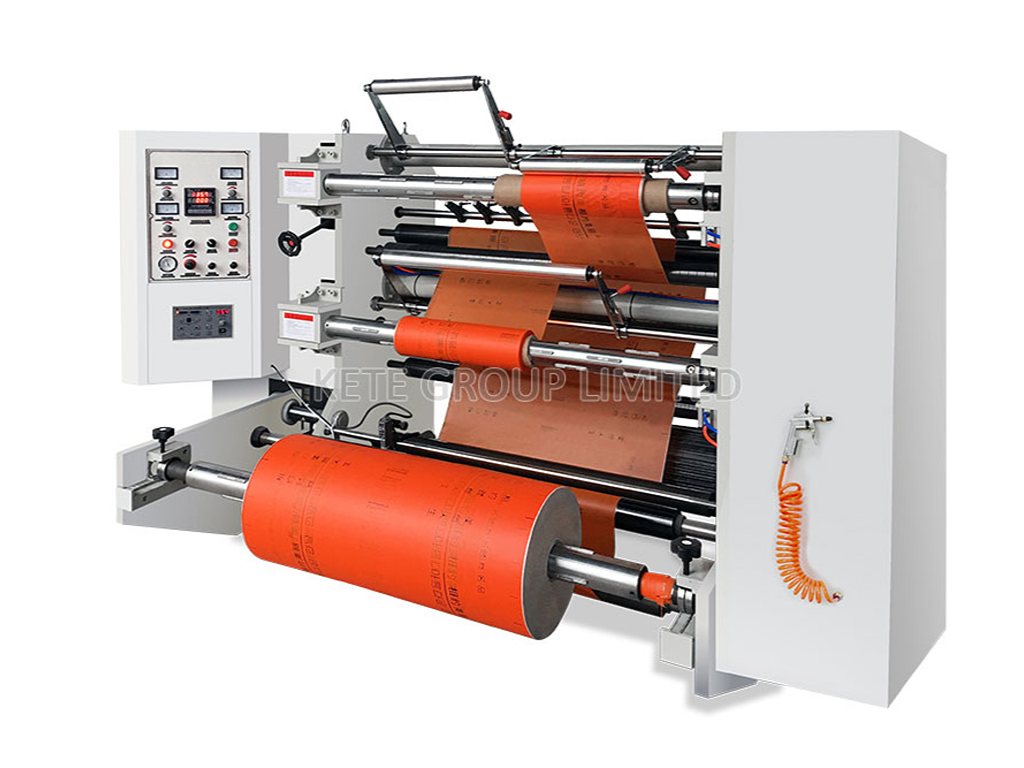
What Determines Slitting Machine Price – Key Factors That Move the Number
Before we talk numbers, we need to talk variables. A slitting machine’s final price isn’t a fixed point – it’s the output of a formula. Think of it this way:
Final quote = (Hardware Specs × Automation Level × Origin Multiplier) + Configuration Premiums – Negotiation Margin
Each variable in that equation has a price elasticity range. Understanding those ranges is what separates a buyer who gets fair quotes from one who overpays. Let’s break down the five biggest price drivers.
Machine Width and Material Capacity – The Biggest Price Driver
Width is the most intuitive pricing variable – wider machines cost more. What surprises most first-time buyers is how non-linear that relationship is.
A 600mm slitter for narrow-web labels can start around $5,000-$8,000. Step up to 1000-1300mm – the sweet spot for flexible packaging films like BOPP, PET, and PE – and you’re looking at $15,000-$40,000. Jump to 1600mm+ for jumbo roll converting, and prices climb to $50,000-$90,000+. At 2000mm and beyond, you’re in fully customized industrial territory where six figures is the floor.
Why does width cost so much more than proportionally? The engineering answer: roller deflection scales with the cube of span length. Doubling the width doesn’t double the roller’s bending stress – it multiplies it roughly eightfold. To maintain the same slitting accuracy (±0.1mm on a premium machine), wider machines need exponentially stiffer roller assemblies, heavier frames, and more powerful drive systems. As David R. Roisum, TAPPI Fellow and co-author of The Web Handling Handbook, notes in his widely-cited work on converting mechanics: the critical speed of a roller – the RPM at which it begins to vibrate destructively – drops sharply as width increases, forcing manufacturers to use larger-diameter rollers with precision-ground surfaces, which alone can add $5,000-$15,000 to the bill of materials.
| Width Range | Bahan Khas | Cocok untuk | Kisaran Harga (USD) |
|---|---|---|---|
| 600mm and below | Labels, tapes, narrow films | Small workshops, startups | $5,000-$12,000 |
| 1000-1300mm | BOPP, PET, PE, CPP, laminates | Mid-volume flexible packaging | $15,000-$40,000 |
| 1600-1800mm | Jumbo rolls, multi-layer films | High-volume converting | $50,000-$90,000 |
| 2000mm+ | Specialty wide-web materials | Industrial-scale production | $90,000-$150,000+ |
Automation Level – Manual, Semi-Auto, or Fully Automatic
Automation is the second-steepest price cliff. A manual slitter – where the operator sets tension by hand, adjusts knife positions mechanically, and monitors quality by eye – can cost $5,000-$12,000. Add PLC control with servo-driven tension and automatic edge guiding (EPC), and you’ve doubled or tripled the price to $20,000-$40,000. Go fully automatic – with servo-driven knife positioning, laser-guided alignment, auto roll changeover, and integrated inspection – and you’re at $50,000-$90,000+.
The price jumps at each tier reflect specific hardware upgrades:
| Automation Tier | Sistem Kontrol | Kontrol Ketegangan | Knife Positioning | Waktu Pergantian | Price Premium vs. Manual |
|---|---|---|---|---|---|
| Manual / Mechanical | Relay-based or none | Magnetic particle clutch (open-loop) | Manual mechanical adjustment | 15-20 minutes | Baseline |
| Semi-otomatis | PLC (Delta, Mitsubishi) | Servo closed-loop with load cells | Motorized with digital readout | 5-8 minutes | +40-60% |
| Sepenuhnya Otomatis | PLC/CNC (Siemens, Beckhoff) | Multi-zone servo with real-time feedback | Laser-guided servo positioning | 2-3 minutes | +150-300% |
The component cost difference is real: a Siemens S7-1200 PLC costs roughly $800-$1,500 more than a basic Delta controller. A single-name-brand servo motor (Yaskawa, Siemens) runs $1,500-$3,000 more than a generic alternative – and a mid-range slitter might use three to five servo axes. These differences compound.
But the decision isn’t just about upfront cost. A manual machine requiring 15-20 minutes per roll change loses 2-3 hours of production per shift compared to a fully automatic line that switches in under three minutes. Over 300 production days, that’s 600-900 lost hours – or roughly $18,000-$45,000 in labor and opportunity cost at a conservative shop rate.
Slitting Method – Razor, Shear, or Crush Cut
The way a machine cuts material is a pricing variable that many buyers overlook entirely – and it has downstream consequences for both running costs and output quality.
Razor slitting is the most affordable option, using disposable blades (typically $0.50-$2 each) that are replaced every 200-500 running hours depending on material abrasiveness. It works well for thin films under 50μm but struggles with thicker laminates and abrasive materials. Machines built around razor slitting tend to sit at the lower end of the price spectrum.
Geser geser uses two rotating hardened knives – an upper male blade and a lower female blade – that cut like a pair of scissors. This is the workhorse of flexible packaging converting. Shear-cut edges are cleaner, dust generation is lower, and blade life extends to 800-2,000+ hours with proper maintenance. But the mechanical precision required (typical interference of 0.02-0.08mm between upper and lower blades, plus side clearance of 0.01-0.05mm) demands a more rigid machine frame and higher-quality bearings – pushing the base machine price 20-40% above a comparable razor-slitting model.
Crush/score cutting presses material against a hardened anvil roller until it fractures. It’s the cheapest to implement but generates the most dust and edge roughness, limiting it to non-critical applications like tape slitting.
Core Components – Why Two “Same-Spec” Machines Can Differ by $20,000
Here’s a scenario that trips up nearly every first-time buyer: you receive two quotations for a “1300mm semi-automatic slitter rewinder.” One is $22,000. The other is $42,000. The spec sheets look identical. What’s going on?
The answer is inside the machine. A slitter rewinder is only as good as the sum of its components, and the brand and grade of those components can swing the total cost by $15,000-$25,000 – even when the frame and rollers are identical. Here are the components where the money either goes or hides:
| Komponen | Budget Option | Mid-Range Option | Premium Option | Cost Spread |
|---|---|---|---|---|
| PLC Controller | Delta DVP series | Mitsubishi FX5U | Siemens S7-1200/1500 | $500-$2,000 |
| Servo Motors (per axis) | Generic Chinese | Delta / Yaskawa | Siemens / Beckhoff | $800-$3,000/axis |
| Tension Load Cells | Strain gauge (basic) | MAGPOWR / Montalvo | FMS / Erhardt+Leimer | $1,000-$4,000 |
| Linear Guides | Domestic brand | HIWIN / TBI | THK / IKO / Rexroth | $500-$2,000 per rail |
| Bearings | Domestic (C3 clearance) | NSK / NTN | SKF Explorer / FAG X-life | $300-$1,500 per set |
The real-world impact of these choices shows up over time. THK linear guides on a 1300mm slitter running two shifts daily typically last 6-8 years before developing play that affects slitting accuracy. A budget domestic guide might show the same play in 2-3 years – and replacing all four guide rails plus bearing blocks on a mid-size slitter costs $3,000-$6,000 in parts and two days of downtime.
A practical approach: prioritize components that affect cutting accuracy and reliability (servo motors, tension control, guides, bearings), and compromise on components where the performance gap is smaller or easier to fix later (HMI screen brand, enclosure material, auxiliary pumps).
Customization and Optional Features – The Price Amplifiers
Once you move beyond a standard configuration, each added feature pushes the price upward. The key is knowing which options deliver genuine ROI and which ones are overkill for your production volume.
| Optional Feature | Added Cost (USD) | Worth It If… | Skip If… |
|---|---|---|---|
| EPC Web Guiding (±0.1mm) | $3,000-$8,000 | You run materials with inconsistent edge quality or need tight roll edge alignment | Your incoming rolls consistently have clean, straight edges |
| Corona Treatment Unit | $5,000-$15,000 | You print or laminate after slitting and need surface energy ≥42 dynes | Downstream processes don’t require surface activation |
| Static Elimination Bar | $500-$2,000 | You slit thin films (<30μm) at 300+ m/min | You run thicker materials at moderate speeds |
| Auto Knife Positioning | $15,000-$40,000 | You change slit widths more than 3 times per shift | You run the same widths for days or weeks |
| Automatic Roll Unloading | $8,000-$20,000 | You produce 200+ finished rolls per day | Daily output is under 100 rolls |
| Explosion-Proof Configuration | +30-50% of base price | You slit solvent-coated films or operate in a classified area | Standard film and paper processing |
The most common buyer mistake is loading up a mid-range machine with premium options that would only pay back at 3× the production volume. Be honest about your daily throughput, and let that number guide your option decisions.
Slitting Machine Price Ranges – What You Get at Every Budget Level
Now that you understand the variables, let’s map them to real budget levels. The ranges below reflect FOB China port pricing – the most common sourcing origin for flexible packaging slitting machines – based on current market data from manufacturer listings and industry pricing databases.
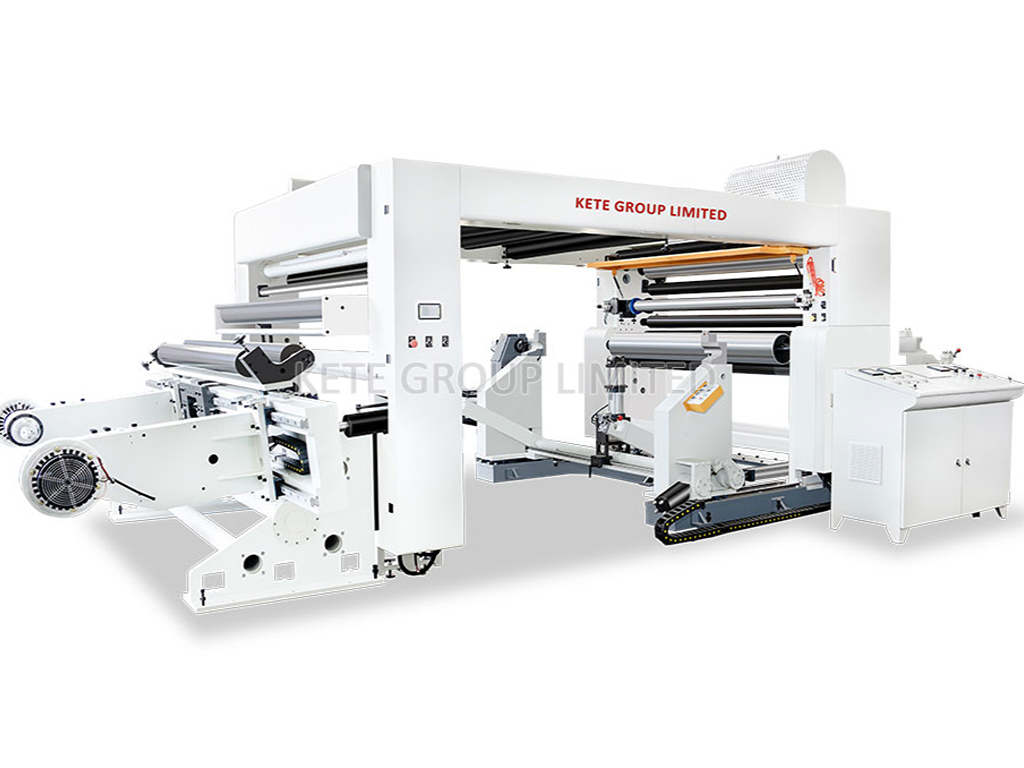
Entry-Level Slitting Machines ($3,000 – $15,000)
At this level, you’re buying a straightforward tool. The typical machine handles narrow to medium webs (up to 600-900mm), uses razor-blade slitting with manual or basic mechanical tension control, and runs at 80-150 m/min. Component brands are domestic Chinese across the board – Delta or unbranded PLCs, generic servo or even stepper motors, basic linear bearings.
What you get: A machine that can reliably slit single-layer films, basic paper, and non-critical laminates at moderate volumes (under 500 finished rolls per day). Slitting accuracy typically falls in the ±0.3-0.5mm range.
What you compromise: Continuous-run stability. Magnetic particle clutch tension systems – common at this price point – tend to drift 8-12% after 3-4 hours of continuous operation. Knife blade life is shorter (200-300 hours on abrasive films). After-sales support from the lowest-tier manufacturers can be limited to a WeChat conversation and a PDF manual. The machine’s MTBF (mean time between failures) on a single-shift schedule is adequate, but running 24/7 will expose weaknesses in bearings and tension components within the first year.
Terbaik untuk: Startups testing a new product line, workshops converting low-value materials, or buyers who need a machine to handle a single dedicated product and can tolerate occasional stops for adjustment.
Mid-Range Production-Grade Slitting Machines ($15,000 – $45,000)
This is where most serious flexible packaging buyers land – and for good reason. A $25,000-$35,000 slitter rewinder from a reputable Zhejiang or Jiangsu manufacturer typically includes: 1000-1300mm web width, PLC control with servo-driven closed-loop tension, shear-slitting capability, EPC edge guiding (either standard or as a reasonably-priced option), and speeds of 200-400 m/min. Component brands are mixed – you’ll see Delta or Mitsubishi PLCs, Yaskawa or Delta servos, Taiwanese linear guides (HIWIN, TBI), and NSK or NTN bearings.
Within this tier, there’s meaningful stratification:
- $15,000-$25,000: Good semi-automatic machines. PLC tension control, shear or razor slitting, domestic servo motors. Suitable for single-shift production of standard films and papers. EPC may be optional or dealer-installed.
- $25,000-$35,000: The value sweet spot. Closed-loop servo tension, EPC standard, shear slitting with hardened tool-steel blades, name-brand PLC and HMI. These machines run reliably on two-shift schedules and deliver slitting accuracy of ±0.15-0.2mm.
- $35,000-$45,000: Near-premium performance. Siemens or Mitsubishi control systems, Japanese or German servo motors, automatic knife positioning on some models, laser or ultrasonic diameter measurement for precise roll length control. Accuracy approaches ±0.1mm.
A well-maintained mid-range machine should deliver 8-12 years of service on a single-shift schedule. The key differentiator at this level isn’t the frame or the rollers – it’s the tension control system and the quality of the bearings and guides.
High-End Automatic Slitting Lines ($45,000 – $90,000+)
At the premium tier, you’re buying throughput and consistency, not just a machine. A fully automatic 1300mm+ slitting line with servo-driven knife positioning, automatic roll changeover, laser core alignment, and integrated inspection pushes past $60,000. Add 1600mm+ width capability or Siemens/Beckhoff full CNC control, and you’re in the $75,000-$90,000+ range.
The efficiency math justifies the price for high-volume operations. Consider a line producing 40 finished rolls per shift with a manual changeover time of 15 minutes per parent roll. At 4 parent roll changes per shift, that’s one full hour of downtime – roughly 12.5% of the shift. An automatic turret slitter that changes over in under 3 minutes recovers 48 minutes per shift. Over 300 production days, that’s 240 recovered hours – the equivalent of 30 extra shifts of production per year.
Material waste tells a similar story. Entry-level machines typically lose 3-5% of input material to edge trim, miscuts, and startup scrap. A premium servo-driven line with precise tension profiling and laser-guided knife positioning can bring that below 0.5%. On an annual throughput of 500 tonnes of film, the difference between 3% and 0.5% waste is 12.5 tonnes of material – worth $25,000-$50,000 at typical flexible packaging film prices.
Where You Buy Matters – China, Europe, and India Price Comparison
The country of origin acts as a price multiplier on top of the specification factors we’ve covered. For a comparable specification – 1300mm width, semi-automatic, shear slitting, servo tension – here’s how the numbers break down across the three major manufacturing regions:
| China (Zhejiang/Jiangsu) | Europe (Germany/Italy) | India (Gujarat) | |
|---|---|---|---|
| Entry-Level Price | $18,000-$25,000 | €40,000-€60,000 ($44K-$66K) | $8,000-$15,000 |
| Mid-Range Price | $25,000-$40,000 | €70,000-€100,000 ($77K-$110K) | $15,000-$25,000 |
| Premium Price | $45,000-$60,000 | €120,000-€180,000 ($132K-$198K) | $28,000-$40,000 |
| Typical Lead Time | 30-60 days | 6-8 months | 45-90 days |
| Machine Service Life | 8-12 years | 15-20 years | 5-8 years |
| Sertifikasi CE | Optional (+$3K-$8K) | Standar | Rare |
| After-Sales Model | Remote + engineer dispatch ($200-$500/day) | Local distributor network | Local technician visits |
The Chinese flexible packaging machinery cluster – concentrated in Ruian and Wenzhou (Zhejiang province) – produces the machines that dominate the global mid-market. These manufacturers benefit from a dense local supply chain: motor factories, roller grinders, control panel builders, and blade suppliers all operating within a 50-kilometer radius. That ecosystem compression eliminates logistics overhead that European and Indian manufacturers pay, and it directly translates to the 40-60% price advantage Chinese machines hold over European equivalents.
Indian manufacturers, centered in Gujarat and Maharashtra, offer the lowest absolute entry prices – particularly for narrow-web paper and basic film slitters. However, the component supply chain is less mature than China’s, and machines in the $8,000-$15,000 range often use domestic motors and controllers with shorter service intervals. Indian slitters are a practical choice for domestic Indian and neighboring-market buyers who can access local service.
European machines – from manufacturers like Kampf (Germany), GOEBEL (Germany), and Atlas Converting (UK) – command their premium through engineering depth. A European slitter’s frame is typically stress-relieved after welding, its rollers are dynamically balanced to ISO G2.5 or better, and its control software includes decades of process-specific algorithm refinement. For a multinational converter running 24/7 with zero tolerance for unplanned downtime, that premium amortizes predictably. For a first-time buyer running single shifts, it’s almost certainly overengineered for the use case.
Hidden Costs of a Slitting Machine – What the Price Tag Doesn’t Tell You
The FOB price on a quotation is never what you actually pay to have a running machine on your factory floor. Budget-conscious buyers who overlook the gap between “machine cost” and “machine cost, installed and running” routinely blow their budgets by 20-35%. Here’s where the money goes:
| Cost Category | Typical Amount (USD) | % of Machine Price | Can You Foresee It? | Cost-Saving Tip |
|---|---|---|---|---|
| Sea Freight (20ft container, China to Middle East/Africa) | $2,500-$5,500 | 10-18% | Ya. | Consolidate with other equipment shipments when possible |
| Destination Port Charges (THC, clearance, docs) | $800-$2,000 | 3-7% | Ya. | Get a detailed port charge estimate from your freight forwarder before shipping |
| Import Duty & VAT | Varies by country (5-15% of CIF value) | 5-15% | Ya. | Check your country’s HS code 8477.80 (plastics processing machinery) for exact rate |
| Installation & Commissioning | $1,500-$4,000 (engineer travel + 3-7 days) | 5-12% | Sometimes | Negotiate installation in the purchase contract – many manufacturers include it |
| Pelatihan Operator | $500-$1,500 | 2-5% | Sometimes | Ask for training to be included in the quotation; it usually is if you ask |
| First-Year Spare Parts | $750-$2,000 | 3-5% of machine | Ya. | Request a recommended spare parts list with the quotation; buy blades and belts upfront |
| Blade Consumables (annual) | $1,500-$5,000/year | 5-15%/year | Partially | Razor blades are cheap but frequent; shear knives are expensive but last years |
| Electrical Infrastructure | $500-$3,000 | 2-8% | Sometimes | Verify your transformer capacity against the machine’s total installed power (typically 15-30kW) |
Let’s walk through a realistic example. A $28,000 FOB slitter from Zhejiang, shipped to Lagos, Nigeria:
- Machine FOB: $28,000
- Sea freight (20ft, Ningbo to Apapa): ~$3,500
- Nigerian port charges + clearance: ~$1,500
- Import duty (10% of CIF): ~$3,250
- VAT (7.5%): ~$2,700
- Installation & commissioning (engineer 5 days): ~$2,500
- Operator training (included – asked for it): $0
- First-year spares: ~$1,200
- Electrical work (workshop already adequate): $0
Total landed and running cost: ~$42,650 – roughly 52% above the FOB price.
This isn’t a caution against buying – it’s a caution against budgeting with the wrong number. Add a 25-35% buffer to any FOB quotation for a realistic total.
How to Evaluate a Slitting Machine Quotation – A Buyer’s Checklist
You’ve sent inquiries. Quotes are coming back. Some are one-page PDFs with a single number. Some are 12-page documents with BOMs and test certificates. How do you compare them systematically, spot the red flags, and calculate which one actually costs less over three years? This four-step framework turns raw quotations into decisions.
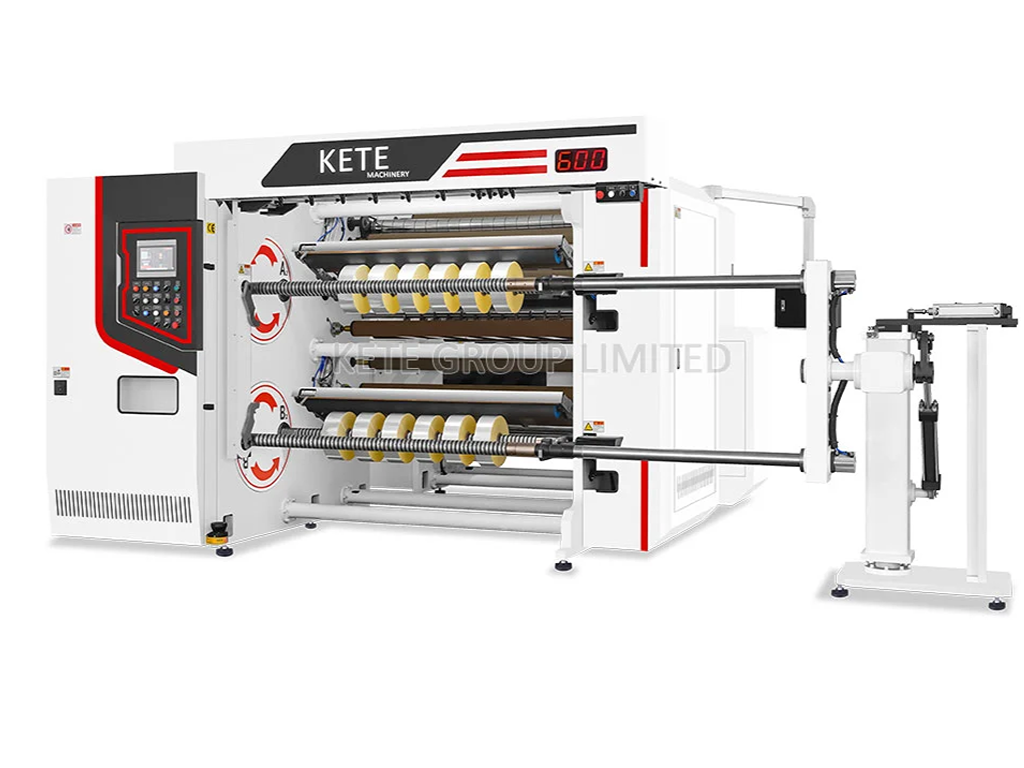
Step 1 – Decode the Line Items: What Should Appear on a Proper Quotation
A quotation that consists of a machine name and a price – without a detailed breakdown – is a risk signal, not a bargain. At minimum, a professional slitting machine quotation should include:
- Machine model and full specification sheet – width, speed, slitting method, material compatibility, accuracy tolerances
- Core component brand list – not “imported PLC” but “Siemens S7-1200 CPU 1214C”; not “famous brand bearings” but “SKF Explorer 6205-2RS1”
- Scope of supply – exactly what’s included from unwinding to rewinding: which rollers, which blades, which control cabinet, which cables
- Exclusions – equally important: what’s NOT included (electrical cables from mains to machine, compressed air line, foundation bolts)
- Payment terms – industry standard is 30% T/T deposit, 70% before shipment; more balanced: 30% deposit, 60% before shipment, 10% after acceptance
- Delivery time – in calendar days from deposit receipt, with a clause for delays
- Warranty terms – standard is 12 months from shipment or 6 months from commissioning, whichever comes first; check what’s excluded (“normal wear parts” typically means blades, belts, and bearings)
- Installation and commissioning – who travels, for how many days, at whose expense
- Spare parts list – recommended initial spares with part numbers and unit prices
- Technical documentation – operation manual, electrical schematics, maintenance schedule, spare parts catalog
- Packaging and shipping – export-standard wooden case, fumigation certificate if required
- CE certificate (if exporting to EU) or equivalent compliance documentation
A quotation missing more than three of these items – or one that uses vague language for the component brands – warrants a follow-up request for details before you invest time in comparison.
Step 2 – Align the Specs: Comparing Apples to Apples Across Suppliers
The single biggest mistake in quotation comparison is taking spec-sheet terms at face value. “Automatic tension control” on one quote might mean closed-loop servo with load-cell feedback (±0.5% accuracy). On another, it might mean open-loop magnetic particle clutch with a manual potentiometer. Both are technically “automatic.” The performance gap between them is roughly $5,000-$8,000 in component cost.
Here’s a cross-supplier alignment template. For every quotation you receive, extract these eight dimensions and enter them side by side:
| Alignment Dimension | Supplier A | Supplier B | Supplier C |
|---|---|---|---|
| Machine width (mm) | |||
| Max mechanical speed (m/min) | |||
| Recommended working speed (m/min) | |||
| Metode menggorok | |||
| Tension control type + brand | |||
| PLC brand + model | |||
| Servo motor brand (unwind/rewind) | |||
| EPC included or optional | |||
| Scope: what’s excluded | |||
| Warranty duration + terms | |||
| Payment schedule | |||
| Delivery time (days) |
Critical distinction: Always ask for the recommended working speed, not the maximum mechanical speed. Some manufacturers advertise 400 m/min because the motor can spin that fast unloaded – but the machine’s stable operating range on your material might be 200-250 m/min. Forcing the comparison onto working speed often closes price gaps that looked dramatic at the maximum-speed level.
Step 3 – Spot the Red Flags: Warranty Gaps, Payment Terms, and After-Sales Fine Print
Every B2B machinery purchase has a contractual dimension that reveals more about the supplier than the spec sheet does. Here are the terms worth reading twice:
- “24-hour response” vs. “24-hour on-site”: The first means someone replies to your WhatsApp message within a day. The second means an engineer is at your factory within a day. The difference in cost to the supplier is massive, and so is the difference in what it means for your production line. Most Chinese manufacturers operating globally promise response, not on-site – and that’s fine as long as you know which one you’re getting.
- Warranty exclusion language: Look for phrases like “except normal wear parts” – and then check whether the supplier defines which parts those are. Blades, belts, and brake pads are standard exclusions. If bearings and seals are also excluded without specification, ask why.
- Payment terms and leverage: A supplier asking for 100% payment before shipment leaves you with zero leverage if the machine arrives damaged or non-conforming. A 30/60/10 split (deposit / before shipment / after commissioning sign-off) protects both parties and signals a supplier confident enough in their machine to tie the final 10% to your sign-off.
- Spare parts availability commitment: Ask directly: “If I need a replacement servo drive in three years, what’s your guaranteed lead time for that part?” A credible answer is 7-10 days for common parts and under 30 days for specialized components. An evasive answer is a warning.
Step 4 – Calculate the Real Cost: A 3-Year TCO Comparison Template
Initial purchase price is the most visible number – and often the least important. A three-year total cost of ownership (TCO) comparison reveals which machine is actually cheaper. Here’s a template populated with a realistic comparison:
| TCO Component | Machine A ($28,000 Mid-Range) | Machine B ($45,000 Near-Premium) |
|---|---|---|
| Harga FOB mesin | $28,000 | $45,000 |
| Freight, duties, port charges | $7,500 | $8,200 (heavier machine) |
| Installation & training | $2,500 | $2,500 |
| Year 1 landed cost | $38,000 | $55,700 |
| Annual blade consumables | $3,000 (razor, frequent changes) | $2,000 (shear, longer life) |
| Annual maintenance parts | $2,500 | $1,500 (better components) |
| Annual electricity (15kW × 8h × 300d × $0.10/kWh) | $3,600 | $3,200 (IE3 vs IE2 motor efficiency) |
| Estimated annual downtime (hours) | 80 (occasional tension drift, blade changes) | 30 (fewer interventions) |
| Downtime cost (@$50/hr shop rate) | $4,000 | $1,500 |
| Annual operating cost | $13,100 | $8,200 |
| 3-Year TCO | $77,300 | $80,300 |
In this scenario, the $28,000 machine and the $45,000 machine cost nearly the same after three years – within $3,000 of each other. The premium machine costs $17,000 more upfront but saves roughly $4,900/year in operating costs. For a buyer planning to run the machine for five or more years, the premium option is clearly the cheaper choice. For a startup with capital constraints who needs a machine running this quarter, the mid-range machine is a rational choice – as long as you enter the purchase with your eyes open about the operating cost difference.
Experienced buyers increasingly look for factory-direct manufacturers who provide a transparent quotation with component brands listed line by line – because that transparency directly enables the TCO comparison framework above. Without it, the buyer is guessing at component quality and the operating costs that follow from it. For example, a factory-direct manufacturer like KETE specifies every major component – servo motors, PLC, linear guides, bearings – by brand and model at the quotation stage, which means your 3-year maintenance and replacement cost projections are based on real part numbers, not assumptions. Their after-sales support covers both remote diagnostics and field installation with hands-on operator training – two line items that directly affect the maintenance and downtime rows of your TCO comparison. If you want to verify what that level of detail looks like in practice, you can reach their service team and ask for a sample quotation format before you commit to anything.
Smart Buying Strategies for First-Time Slitting Machine Buyers
You now know what drives the price, what each budget level delivers, and how to compare quotations. Here’s how to turn that knowledge into a confident purchase:
Define your requirement before you ask for prices. A vague inquiry – “please quote your slitting machine” – generates vague quotes that can’t be compared. Specify your material type, width range, daily volume, and accuracy requirement in your first message. Suppliers who respond with tailored recommendations rather than a standard price list are demonstrating the kind of engagement you want in a long-term equipment partner.
Get at least three comparable quotations. One quote tells you a number. Two quotes tell you a range. Three quotes, properly aligned, tell you the market. Push all suppliers to quote against the same specification so the comparison is valid.
Always request the component brand list. The difference between a $22,000 and a $38,000 machine for the same spec is almost always in the component brands. Ask for it in writing. A manufacturer who won’t disclose component brands at the quotation stage won’t become more transparent after you’ve paid.
Budget 25-35% above FOB for total landed costs. Freight, duties, installation, and first-year spares add up. Build them into your budget from day one rather than treating them as surprises.
Prioritize after-sales capability over the lowest price. A machine that costs $3,000 less but comes with no installation support, no spare parts commitment, and a warranty that’s effectively unenforceable across borders is not cheaper – it’s a larger gamble. Ask for references from buyers in your region who purchased 1-2 years ago.
Do a video factory tour before signing. A 20-minute live video walkthrough of the manufacturer’s assembly floor tells you more about quality than any brochure. Look for organized workstations, in-process machines (not just finished inventory), and testing areas where machines run material before shipment.
The most effective next step is to take your defined requirements and talk to their team directly. KETE’s sales engineers – with over a decade of experience matching flexible packaging buyers to the right converting equipment – can walk you through how each specification choice affects both the price and the machine’s long-term performance in your specific application.