 ID
ID  EN
EN  RU
RU  ES
ES  FR
FR  AR
AR  PT
PT  IT
IT  KO
KO  TR
TR  DE
DE  VN
VN  TH
TH  IN
IN  JA
JA  ZH
ZH  MS
MS 
Jika Anda sedang mencari “harga mesin cetak flexo 6 warna,” kemungkinan besar Anda sudah mengambil keputusan besar: Anda membutuhkan mesin cetak flexo 6 warna. Yang Anda butuhkan sekarang adalah jawaban yang jelas atas satu pertanyaan — Berapa anggaran yang sebaiknya Anda siapkan, dan apa saja yang sebenarnya bisa Anda dapatkan dengan anggaran tersebut?
Jawaban singkatnya: harga mesin cetak flexo 6 warna berkisar antara $12.000 hingga lebih dari $650.000. Itu merupakan selisih harga sebesar 50 kali lipat. Selisihnya lebih besar daripada perbedaan antara mobil hatchback ekonomis dan mobil sport mewah. Dan sama seperti mobil, selisih harga tersebut bukanlah hal yang kebetulan. Hal itu mencerminkan perbedaan mendasar dalam hal kecepatan, presisi, otomatisasi, dan keandalan jangka panjang.
Berikut ini sekilas tentang jangkauan produk tersebut:
| Jenis Mesin | Perkiraan Harga (USD, FOB) | Terbaik untuk |
|---|---|---|
| Jenis Stack Tingkat Pemula | $12.000 – $40.000 | Desain sederhana dengan 1–2 warna pada bahan dasar tunggal; usaha baru |
| Tumpukan Kelas Menengah / Inline | $40.000 – $150.000 | Bengkel yang mengolah berbagai jenis bahan dan membutuhkan akurasi servo serta pergantian yang lebih cepat |
| Kesan Tengah (CI) | $80.000 – $500.000 | Kemasan fleksibel dalam jumlah besar; produk yang memenuhi standar keamanan pangan dan memerlukan presisi registrasi yang tinggi |
| Full-Servo Tanpa Gigi (Premium) | $300.000 – $650.000+ | Produksi 24 jam sehari, 7 hari seminggu; standar farmasi; ketepatan registrasi <±0,08 mm |
Berikut ini adalah kisaran harga FOB (Free On Board) sebagai acuan dari produsen di Tiongkok dan India. Biaya pengiriman bervariasi tergantung pada tarif angkutan, bea masuk, dan persyaratan pemasangan di masing-masing wilayah. Namun, selisih harga sebesar 50 kali lipat itu nyata — dan memahami mengapa selisih tersebut ada akan menjadi penentu antara membeli mesin yang dapat mengembangkan bisnis Anda atau justru yang akan merugikan bisnis Anda.
Apa yang Sebenarnya Anda Dapatkan di Setiap Tingkat Harga: Tingkat Dasar, Menengah, dan Premium
Sebelum kita membahas masing-masing tingkatan, berikut adalah kerangka acuan yang membedakan ketiganya. Tiga faktor menentukan posisi mesin cetak flexo 6 warna dalam spektrum harga:
- Sistem penggerak: Mesin yang digerakkan oleh roda gigi mentransfer tenaga mekanis melalui rangkaian roda gigi fisik — terjangkau namun kurang presisi. Mesin yang digerakkan oleh servo menggunakan motor terpisah untuk setiap stasiun cetak — presisi namun mahal.
- Tingkat otomatisasi: Pengendalian tegangan secara manual dan penyesuaian registrasi secara manual berarti biaya awal yang lebih rendah, namun menghasilkan limbah yang lebih banyak dan proses penyiapan yang lebih lambat. Registrasi otomatis berloop tertutup dan pengendalian tegangan bahan secara otomatis membalikkan situasi tersebut.
- Tingkatkan ketepatan: Toleransi registrasi (antara ±0,25 mm hingga ±0,05 mm), kualitas rol anilox (krom vs. keramik, 200 vs. 800 LPI), dan kekakuan bingkai semuanya turut memengaruhi harga akhir — serta kualitas cetakan akhir.
Perhatikan kerangka kerja ini saat kita membahas setiap tingkatan.
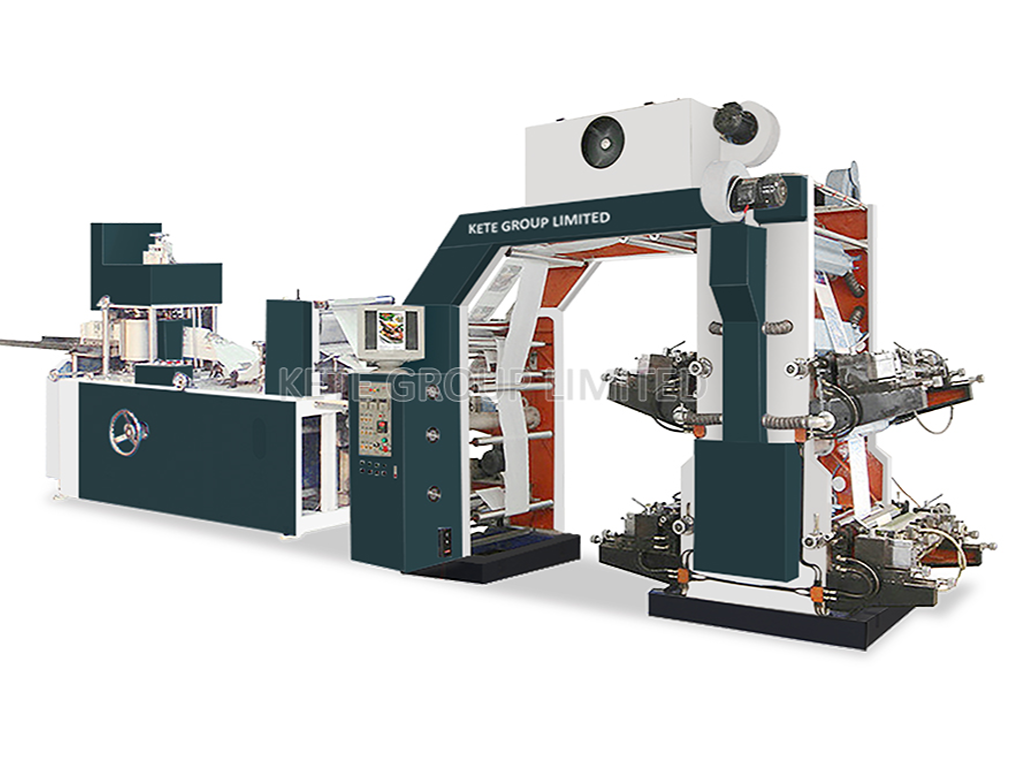
Mesin Flexo 6 Warna Tingkat Pemula ($12.000 – $40.000)
Mesin cetak 6 warna kelas pemula hampir seluruhnya merupakan mesin cetak tipe tumpuk: susunan stasiun cetak secara vertikal, yang masing-masing digerakkan oleh roda gigi dari poros penggerak utama yang sama. Mesin-mesin ini beroperasi pada kecepatan 70 hingga 120 meter per menit. Lebar gulungan berkisar antara 600 hingga 1.000 mm. Ketepatan registrasi berada pada kisaran ±0,20 hingga ±0,25 mm.
Apa sebenarnya yang bisa Anda lakukan dengan mesin dalam kisaran ini? Anda dapat mencetak desain sederhana dengan 1–3 warna pada bahan tunggal — kantong plastik PE, karung anyaman polipropilena biasa, serta kertas kraft dengan teks blok dan logo. Jika bisnis Anda berfokus pada kemasan komoditas di mana kualitas cetakan bukanlah faktor pembeda, mesin tingkat pemula ini memungkinkan Anda beroperasi dengan pengeluaran modal yang minimal.
Namun, keterbatasan-keterbatasan tersebut bersifat konkret dan bersifat kumulatif:
- Pergeseran pendaftaran: Tanpa fitur penyesuaian otomatis, setiap stasiun warna harus disesuaikan secara manual untuk setiap pekerjaan. Pada mesin 6 warna, hal ini berarti enam rangkaian penyesuaian setiap kali Anda mengganti desain. Perkirakan waktu penyiapan selama 45–60 menit untuk setiap pekerjaan baru. Ketidaksesuaian warna antar-warna akan semakin parah seiring mesin cetak memanas selama proses pencetakan yang berlangsung lama.
- Peningkatan limbah tinta: Pengendalian tegangan secara manual berarti substrat dapat meregang atau bergeser di antara stasiun-stasiun. Pada mesin yang digerakkan oleh roda gigi tanpa sistem pengendalian tegangan loop tertutup, pemborosan tinta mencapai 30–50% lebih tinggi dibandingkan pada mesin sejenis yang digerakkan oleh servo. Lebih banyak hasil cetakan yang ditolak akibat kesalahan registrasi.
- Keausan anilox yang lebih cepat: Mesin kelas pemula biasanya dilengkapi dengan rol anilox berlapis krom atau keramik kualitas rendah (dengan rentang 200–400 LPI). Rol-rol ini perlu diganti setiap 2–3 tahun dalam kondisi produksi normal — dengan biaya $2.000–5.000 per rol untuk satu set 6 warna.
Pembeli khas pada tingkatan ini adalah produsen kantong kecil di pasar berkembang, yang mencetak logo sederhana pada film PE untuk pasar ritel lokal. Mesin ini mampu menangani pekerjaan tersebut. Namun, begitu pelanggan meminta pencetakan foto dengan warna proses atau kepatuhan terhadap standar makanan, tingkatan ini sudah tidak mampu lagi memenuhi kebutuhan tersebut.
Mesin Flexo 6 Warna Kelas Menengah ($40.000 – $150.000)
Di sinilah mesin cetak flexo 6 warna tidak lagi sekadar alat cetak biasa, melainkan mulai menjadi aset produksi. Peningkatan yang paling menonjol adalah penyelarasan yang digerakkan oleh servo — Setiap stasiun pencetakan digerakkan oleh motor servo mandiri yang disinkronkan oleh PLC pusat. Sistem roda gigi mekanis yang membatasi tingkat presisi pada tingkat pemula kini telah dihilangkan.
Empat peningkatan konkret menjadi ciri khas segmen kelas menengah:
1. Tingkat ketepatan perekaman melonjak menjadi ±0,10–0,15 mm. Itulah perbedaan antara “warna-warnanya terlihat kurang lebih sejajar” dan “hasil cetakan lulus uji lup.” Untuk kemasan makanan di mana kode batang, tabel nutrisi, dan logo merek harus tercetak dengan tajam, ambang batas ini sangat penting.
2. Sistem pisau pengatur tinta tertutup menggantikan baki tinta terbuka. Ini bukanlah perubahan yang bersifat kosmetik. Ruang tertutup ini mengurangi penguapan pelarut tinta sebesar 15–20%, menjaga viskositas tinta tetap konsisten selama proses pencetakan, serta mengurangi emisi VOC secara signifikan sehingga berdampak pada kepatuhan terhadap peraturan lingkungan di pasar seperti Uni Eropa dan Asia Tenggara.
3. Pengendalian tegangan jaring secara otomatis menggantikan rem bubuk magnetik. Sistem pengaturan tegangan loop tertutup membaca tegangan lembaran secara real time melalui sel beban dan menyesuaikan torsi pelepasan/penggulungan secara dinamis. Pada film tipis seperti BOPP atau LDPE, hal ini mencegah terjadinya peregangan dan penyimpangan yang menyebabkan ketidaksesuaian registrasi pada mesin kelas pemula.
4. Anilox keramik dengan kepadatan 400–800 LPI yang sel-selnya diukir dengan laser. Semakin tinggi jumlah garis, semakin halus pula penyebaran tinta — sehingga memungkinkan terciptanya teks yang lebih kecil, gradasi warna yang lebih halus, serta pola layar warna proses. Rol anilox pada tingkat ini biasanya dipasok oleh produsen keramik Jepang dan memiliki masa pakai 5–7 tahun, bukan 2–3 tahun.
Mesin kelas menengah pada umumnya beroperasi dengan kecepatan 150 hingga 250 meter per menit pada lebar bahan 800 hingga 1.600 mm. Waktu pergantian pekerjaan berkurang dari 45–60 menit menjadi sekitar 15–20 menit, berkat fitur penyimpanan resep pada layar sentuh PLC. Anda dapat menyimpan 50–200 parameter pekerjaan dan memanggilnya kembali hanya dengan satu ketukan.
Siapa yang membeli di segmen ini? Sebuah perusahaan pengolah kemasan fleksibel yang mencetak bungkus camilan berstandar pangan pada bahan BOPP/PET metalik. Bagi mereka, satu gulungan yang ditolak oleh klien supermarket jauh lebih mahal daripada penghematan sebesar $40.000 yang diperoleh dengan membeli produk kelas pemula. Atau, sebuah perusahaan pengolah label yang memperluas jangkauan kerjanya dari cetakan 4 warna menjadi 6 warna, yang membutuhkan presisi servo untuk mencetak teks halus dan kode batang.
| Dimensi | Tingkat Pemula ($12K–$40K) | Kelas Menengah ($40K–$150K) |
|---|---|---|
| Sistem Penggerak | Penggerak roda gigi (poros penghubung umum) | Digerakkan oleh servo (masing-masing stasiun dilengkapi motor tersendiri) |
| Pendaftaran | ±0,20–0,25 mm | ±0,10–0,15 mm |
| Pergantian Pekerjaan | 45–60 menit | 15–20 menit (memori resep PLC) |
| Sistem Tinta | Baki terbuka | Pisau pengatur yang tertutup |
| Kualitas Anilox | Krom atau keramik biasa, 200–400 LPI | Keramik Jepang, 400–800 LPI |
| Kontrol Ketegangan | Rem bubuk magnetik (sistem terbuka) | Sistem loop tertutup sel beban |
| Kecepatan Umum | 70–120 m/menit | 150–250 m/menit |
Mesin Flexo 6 Warna Kelas Premium ($150.000 – $650.000+)
Pada tingkatan premium, kata “geared” sama sekali tidak tercantum dalam lembar spesifikasi. Ini adalah mesin cetak servo penuh tanpa roda gigi. Setiap silinder cetak, rol anilox, dan drum cetak digerakkan oleh motor servo tersendiri yang disinkronkan secara digital. Tidak ada sistem roda gigi mekanis yang dapat aus, menimbulkan celah, atau membatasi akurasi registrasi.
Apa yang dihasilkan oleh tingkat rekayasa tersebut?
- Penyimpangan di bawah ±0,08 mm. Pada kemasan obat-obatan, label pengaman, atau kemasan minuman beralkohol kelas premium, bahkan ketidaksesuaian registrasi sekecil apa pun pun akan terlihat. Inilah batas yang membedakan antara hasil yang dapat diterima dengan hasil yang sangat baik.
- Kecepatan konstan sebesar 300–500 meter per menit. Bukan kecepatan puncak yang tercantum dalam lembar spesifikasi — melainkan kecepatan produksi aktual pada pekerjaan cetak proses 6 warna, shift demi shift.
- Sistem penggantian cepat tipe selongsong. Silinder anilox dan silinder pelat dapat dipasang dan dilepas dari mandrel dalam waktu kurang dari 5 menit per stasiun, tanpa memerlukan alat apa pun. Selongsong yang dilengkapi tag RFID secara otomatis memanggil kembali pengaturan resep. Operator cukup memasang selongsong, dan mesin cetak langsung mengenali pekerjaan yang akan dilakukan.
- Semuanya berbasis loop tertutup: kamera pendaftaran otomatis yang mengoreksi posisi warna terhadap warna secara real-time, pengaturan cetakan otomatis, pengendalian viskositas otomatis pada pompa tinta, serta manajemen warna yang terintegrasi dengan spektrofotometer. Mesin cetak ini mampu mempertahankan nilai DeltaE sesuai spesifikasi merek selama satu juta cetakan.
Dari segi ekonomi, perubahannya juga terlihat pada tingkat ini. Mesin cetak kelas premium memang membutuhkan biaya awal yang lebih tinggi, tetapi memberikan nilai tambah melalui pengurangan limbah yang dihasilkannya. Limbah pada tahap penyiapan berkurang dari 5–10% menjadi 1–3% substrat. Waktu pergantian pekerjaan pun berkurang menjadi 10–15 menit. Seorang operator saja sudah dapat menangani pekerjaan yang sebelumnya membutuhkan dua orang pada mesin kelas menengah, karena mesin cetak ini mampu melakukan koreksi otomatis.
Dalam ekosistem manufaktur Tiongkok, beberapa produsen — terutama yang berpusat di koridor mesin Ruian-Wenzhou di Provinsi Zhejiang — kini memasok mesin cetak fleksografi CI kelas premium yang dilengkapi sertifikasi CE, sistem mutu ISO 9001, serta rol anilox buatan Jepang dan motor servo buatan Jerman yang sama dengan yang digunakan pada mesin-mesin Eropa, dengan harga 40–501 TP3T dari harga di Eropa. Kesenjangan kemampuan antara produsen Tiongkok papan atas dan produsen Eropa kelas menengah telah menyempit. Semakin sering, keputusan pembelian bergantung pada dukungan purna jual, bukan hanya pada kualitas mesin semata.
Lebih dari Sekadar Harga: Berapa Sebenarnya Biaya Mesin Cetak Flexo 6 Warna Selama 5 Tahun
Berikut ini adalah fakta yang mengejutkan sebagian besar pembeli mesin flexo pemula: harga beli mesin tersebut hanya mewakili 35–40% dari total biaya sebenarnya selama lima tahun. Sisanya, yaitu 60–65%, berasal dari bahan habis pakai, energi, pemeliharaan, waktu kerja operator, dan — yang paling berbahaya — biaya waktu henti yang tidak pernah disebutkan kepada Anda sejak awal.
Mobil yang harga labelnya membuat Anda mengernyit mungkin justru menjadi pilihan termurah jika Anda menghitung total biayanya selama lima tahun penuh. Dan mobil murah yang tampak seperti penawaran menggiurkan itu bisa saja secara diam-diam menghabiskan $100.000 lebih banyak daripada mobil yang “mahal” itu dalam periode yang sama.
Biaya yang Terlihat: Bahan Habis Pakai, Energi, dan Pemeliharaan
Inilah biaya-biaya yang dapat Anda rencanakan. Berikut ini adalah kerangka kerja TCO (Total Cost of Ownership) selama lima tahun yang disederhanakan untuk mesin cetak flexo 6 warna kelas menengah dengan harga pembelian $100.000:
| Kategori Biaya | Perkiraan Tahunan | Total 5 Tahun |
|---|---|---|
| Harga Pembelian | - | $100,000 |
| Bahan habis pakai (pelat, tinta, anilox) | $25.000 – $40.000 | $125.000 – $200.000 |
| Energi (20–80 kW × tarif industri) | $8.000 – $25.000 | $40.000 – $125.000 |
| Pemeliharaan & Suku Cadang | $2.000 – $5.000 | $10.000 – $25.000 |
| Tenaga Kerja (2 operator) | $20.000 – $50.000 | $100.000 – $250.000 |
| Tot B Si5 aayealaalTa mhun | $375.000 – $700.000 |
Itu berarti faktor pengali sebesar 3,75x hingga 7x dari harga pembelian. Mari kita uraikan variabel-variabel utamanya.
Bahan habis pakai merupakan pos pengeluaran berulang terbesar — dan yang paling dipengaruhi oleh kualitas mesin. Harga pelat cetak fotopolimer berkisar antara $50 hingga 150 per pelat. Untuk pekerjaan 6 warna, biayanya mencapai $300–900 hanya untuk pelat saja sebelum cetakan pertama dijalankan. Penggantian rol anilox (setiap 3–5 tahun untuk keramik, setiap 2–3 tahun untuk krom) menambah biaya sebesar $12.000–48.000 per penggantian satu set lengkap pada mesin 6 warna. Konsumsi tinta berkisar sekitar 2–4 g/m² untuk tinta berbasis air. Sebuah bengkel dengan kapasitas 500 ton per tahun menghabiskan $30.000–60.000 per tahun hanya untuk tinta. Tingkat limbah tinta tersebut, yang dipengaruhi oleh akurasi registrasi, adalah titik di mana kualitas mesin secara langsung berdampak pada biaya.
Energi Berbeda secara drastis tergantung pada teknologi pengeringan yang digunakan. Pengeringan dengan udara panas pada mesin cetak tumpuk 6 warna mengonsumsi daya sebesar 40–80 kW — setara dengan sekitar $15.000–30.000 per tahun berdasarkan tarif industri standar. Pengeringan LED-UV, yang semakin umum digunakan pada mesin cetak kelas premium, mengurangi konsumsi energi sebesar 70–85% dan menghilangkan waktu pemanasan yang menghabiskan energi setiap kali shift dimulai.
Biaya Tersembunyi: Waktu Henti, Pelatihan, dan Kekosongan Layanan Purna Jual
Kini kita sampai pada biaya-biaya yang tidak tercantum dalam penawaran mana pun — dan itulah yang paling menyakitkan.
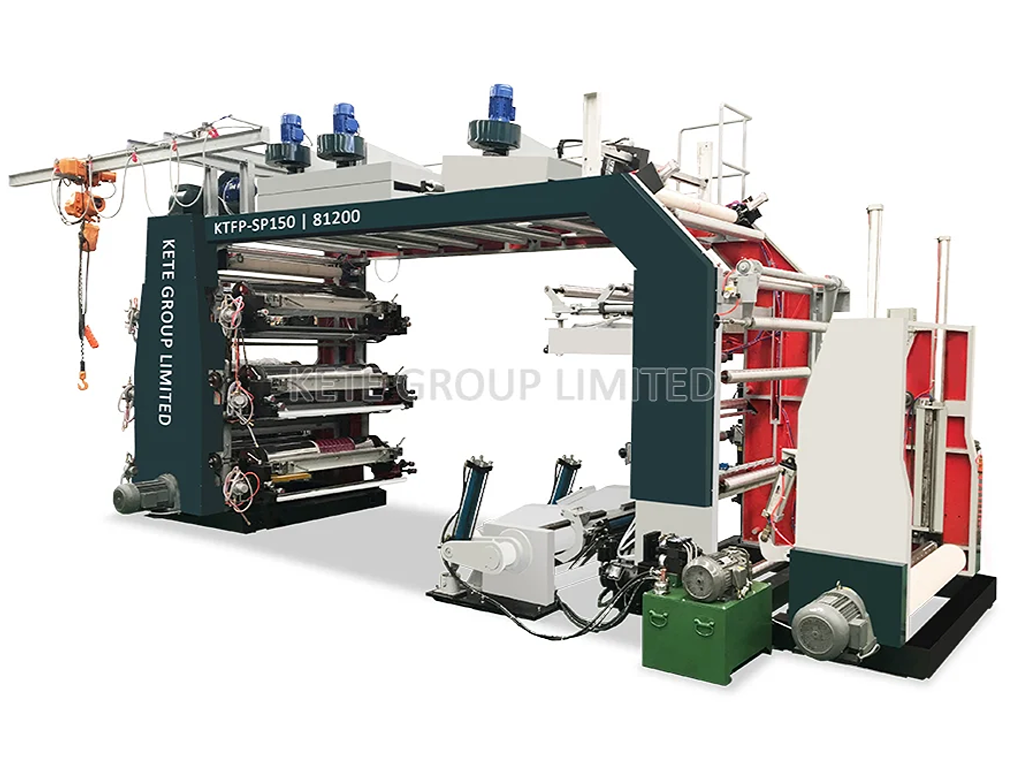
Waktu henti adalah pembunuh margin yang tak terlihat. Mesin cetak flexo 6 warna kelas menengah yang beroperasi pada kecepatan 150 m/menit dengan lebar film 1.000 mm menghasilkan sekitar $3.000–8.000 output cetakan per hari. Satu minggu waktu henti yang tidak terjadwal mengakibatkan kerugian produksi sebesar $15.000–40.000. Satu minggu itu saja dapat menghabiskan sebagian besar penghematan yang Anda peroleh dengan memilih pemasok yang lebih murah namun tidak memiliki infrastruktur layanan lokal.
Biaya pelatihan operator memang nyata, namun seringkali tidak terlihat. Dengan pelatihan di lokasi yang tepat dari pihak produsen, seorang operator flexo yang berpengalaman dapat mengoperasikan mesin cetak baru hingga mencapai kecepatan produksi penuh dalam waktu 2–4 minggu. Jika dibiarkan belajar sendiri dari manual yang diterjemahkan, operator yang sama mungkin membutuhkan waktu 2–3 bulan untuk mencapai tingkat keahlian yang sama. Selama masa pembelajaran tersebut, tingkat limbah akan melonjak. Pelat cetak rusak akibat pengaturan tekanan yang salah. Rol anilox tergores akibat pembersihan yang tidak tepat. Perbedaan biaya antara komisioning yang dilakukan oleh operator terlatih dan yang belajar sendiri dapat melebihi $20.000 hanya dalam kuartal pertama saja.
Kekosongan layanan purna jual adalah risiko yang membuat para manajer produksi sulit tidur di malam hari. Banyak eksportir mesin — terutama yang menjual melalui platform pasar B2B — beroperasi dengan model transaksi: mengirimkan mesin, menerima pembayaran, lalu melanjutkan ke transaksi berikutnya. Ketika penggerak servo mengalami gangguan atau kamera registrasi kehilangan kalibrasinya setelah enam bulan beroperasi, pembeli menyadari bahwa “dukungan teknis” berarti kontak WeChat yang baru membalas dalam waktu 48 jam dan tidak dapat mengirimkan teknisi karena mereka memang tidak pernah memiliki teknisi.
Di sinilah model layanan pabrikan menjadi pos pengeluaran terpenting dalam perhitungan TCO Anda. Pemasok yang memiliki tim insinyur lapangan khusus, menyimpan suku cadang untuk pengiriman internasional (dan menanggung biaya kurir selama masa garansi), serta menyediakan layanan diagnostik jarak jauh 24 jam pada dasarnya melindungi Anda dari risiko downtime yang membuat biaya-biaya lainnya tampak sepele.
Ambil KETE GROUP sebagai contoh konkret dalam industri manufaktur Tiongkok. Garansi standar mereka berlaku selama 1–2 tahun (tergantung model), dan yang terpenting, penggantian suku cadang gratis termasuk biaya pengiriman kurir internasional untuk kegagalan yang tidak terkait dengan keausan — sebuah detail yang biasanya disembunyikan dalam huruf kecil atau bahkan diabaikan sama sekali dalam sebagian besar penawaran harga. Tim insinyur lapangan mereka ditugaskan ke berbagai belahan dunia untuk melakukan pemasangan di lokasi dan pelatihan operator, didukung oleh layanan dukungan teknis 7×24 dengan jendela respons 24 jam yang dijanjikan. Anda dapat melihat cakupan lengkap program purna jual mereka di sini.
Ini bukanlah masalah teoretis. KETE memiliki lini produksi yang beroperasi di lebih dari 80 negara — mulai dari lini konversi kantong berdiri lengkap (rotogravure + laminasi + pemotongan + pembuatan kantong) yang dikirimkan ke sebuah perusahaan pengolah kemasan di Rusia, hingga mesin pembuat tas non-woven dengan pencetakan flexo terintegrasi yang telah beroperasi di Kenya selama lebih dari dua tahun. Sebuah produsen tutup botol anggur di Italia memesan kembali model berkecepatan tinggi — jenis perilaku pembeli yang hanya terjadi jika mesin pertama telah memberikan hasil yang memuaskan. Anda dapat menelusuri perpustakaan studi kasus di sini.
Inilah sebabnya mengapa pembeli yang cerdas mengevaluasi keseluruhan paket — kualitas mesin, ketentuan garansi, ketersediaan layanan teknik di lapangan, dan logistik suku cadang — sebelum membandingkan harga. Infrastruktur layanan dari pemasok bukanlah hal yang bisa Anda abaikan. Hal itulah yang membedakan antara mesin yang sekadar mencetak dan mesin yang mampu mengembalikan investasinya.
Dengan mempertimbangkan gambaran biaya secara menyeluruh, pertanyaan selanjutnya adalah: dari mana sebaiknya mesin Anda diperoleh? Negara asal tidak hanya memengaruhi harga saja.
Lihat Bagaimana Layanan Purna Jual Mempengaruhi Biaya Mesin Cetak Flexo Anda Selama 5 Tahun
Ajukan permintaan penawaran harga yang disesuaikan, yang mencakup garansi, pelatihan, dan layanan teknik di lapangan — bukan sekadar harga mesin.
Tempat Pembelian Memiliki Peran Penting: Tiongkok vs India vs Produsen Eropa
Negmge h musglraaeinus apghmti atrnmdoatka,a r.e adsanekuap aa,sbnkeag nuikaw hmu e lanaeeeggntei iiutpina iw nru usgaki ndaianekuxy rr asaalnajB dtu aaatkga f aa— a gtaglagu6iekkr tmmaunuukukidnaltmrn nuratteerigihaknctdth wu ea cf ,lnptrnitk uasgknaniniaena:
| Dimensi | Produsen Tiongkok | Produsen India | Produsen Eropa |
|---|---|---|---|
| Kisaran Harga (6 warna) | $12.000 – $500.000+ | $12.000 – $220.000 | $200.000 – $2.000.000+ |
| Spektrum Teknologi | Akses ke paket premium (seluruh jajaran produk) | Kelas pemula hingga menengah | Kelas menengah hingga premium |
| Konsistensi Kualitas | Sangat bervariasi — pabrik-pabrik terkemuka setara dengan produk kelas menengah Eropa | Secara umum konsisten di segmen bawah | Selalu tinggi |
| Jangkauan Layanan Purna Jual | Penyedia kelas atas menyediakan insinyur lapangan global; sedangkan penyedia dengan anggaran terbatas tidak | Sebagian besar berupa dukungan domestik/regional | Jaringan layanan global yang komprehensif |
| Waktu Pengerjaan | 30–45 hari (model standar) | 30–60 hari | 3–6 bulan |
| Komponen Utama | Anilox keramik Jepang, motor servo Jerman (kelas premium) | Campuran produk dalam negeri dan impor | Seluruh komponennya menggunakan merek Eropa |
| Terbaik untuk | Pembeli yang meluangkan waktu untuk melakukan penilaian pemasok guna mengoptimalkan penghematan sebesar 40-60% dibandingkan dengan Eropa | Pembeli dengan keterbatasan anggaran di subbenua India | Pembeli yang lebih mengutamakan dukungan lokal dan reputasi merek daripada harga |
Kesimpulan utama dari perbandingan ini bukanlah bahwa “Tiongkok lebih murah.” Melainkan bahwa Industri manufaktur flexo di Tiongkok kini mencakup seluruh rentang kualitas. Mesin cetak flexo CI buatan Tiongkok kelas atas yang bersertifikasi CE, dilengkapi dengan rol anilox buatan Jepang, penggerak servo buatan Jerman, serta dukungan teknik lapangan global, mampu bersaing langsung dengan mesin-mesin Eropa kelas menengah dengan harga sekitar setengahnya. Tantangannya — sekaligus peluangnya — adalah mengidentifikasi produsen Tiongkok mana yang benar-benar beroperasi pada level tersebut, dibandingkan dengan yang hanya mengklaim demikian.
Saat mengevaluasi pemasok asal Tiongkok, ada tiga indikator yang membedakan pemasok kelas atas dari perusahaan perdagangan:
12 Pertanyaan yang Harus Anda Tanyakan Sebelum Meminta Penawaran Harga
Sebuah penawaran harga mesin cetak flexo hanya akan berguna sejauh pertanyaan-pertanyaan yang mendasarinya. Kedua belas pertanyaan ini terbagi menjadi dua kategori: apa saja yang dapat dilakukan mesin tersebut, dan apakah pemasok akan bertanggung jawab atasnya. Ajukanlah kedua belas pertanyaan tersebut sebelum membandingkan harga — dan jika seorang pemasok tidak dapat atau tidak mau menjawab suatu pertanyaan dengan jelas, anggaplah keheningan itu sebagai informasi.
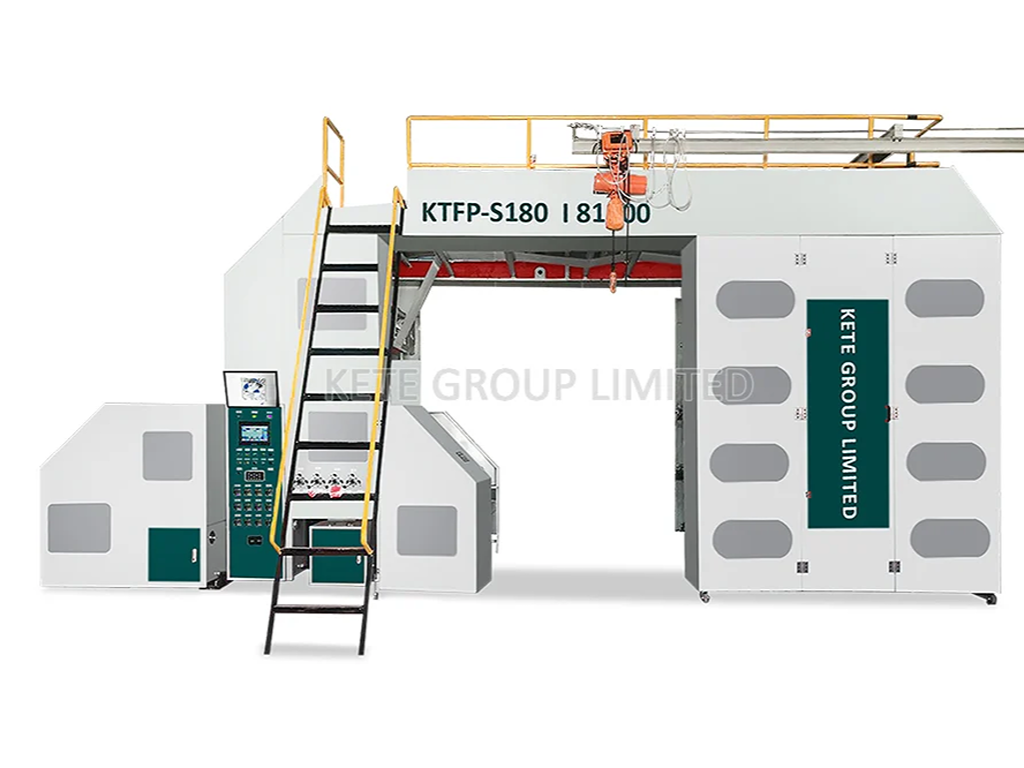
Pertanyaan tentang Kemampuan Mesin (Pertanyaan 1–6)
Pertanyaan 1: Berapa lebar cetak maksimum dan kisaran ketebalan substrat?
Pesanan berulang terbesar Anda menentukan lebar minimum yang Anda butuhkan. Membeli bahan yang terlalu sempit akan membatasi jenis pekerjaan yang dapat Anda tangani; sebaliknya, membeli bahan yang terlalu lebar akan membuang-buang energi dan ruang lantai pada setiap proses cetak. Pastikan juga mesin tersebut mampu menangani bahan dasar tertipis dan tertebal yang Anda miliki — mesin cetak yang dirancang untuk kertas 80 gsm mungkin tidak dapat mencetak BOPP 12 mikron tanpa modifikasi.
Pertanyaan 2: Apakah mesin cetak tersebut digerakkan oleh roda gigi atau sistem servo? Berapa tingkat ketepatan registrasi yang dinyatakan — dan apakah Anda dapat menyediakan laporan Uji Penerimaan Pabrik yang menunjukkan nilai-nilai pengukuran aktual?
“±0,10 mm” dalam brosur tidak berarti apa-apa kecuali jika pemasok dapat menyajikan laporan FAT yang disertai pengukuran langsung selama proses produksi. Mesin cetak yang digerakkan oleh servo seharusnya mampu menghasilkan ketepatan registrasi yang terukur pada nilai ±0,10 mm atau di bawahnya. Jika jawabannya adalah “tergantung pada operator,” berarti Anda sedang berhadapan dengan mesin yang digerakkan oleh roda gigi.
Pertanyaan 3: Sistem pengeringan apa yang dipasang, dan jenis tinta apa saja yang didukungnya?
Sesuaikan teknologi pengeringan dengan komposisi kimia tinta Anda. Tinta berbasis air memerlukan pengeringan dengan udara panas yang disertai aliran udara yang memadai (bukan hanya suhu). Tinta berbasis pelarut memerlukan sistem pengeringan tahan ledakan yang dilengkapi dengan pemulihan pelarut. Tinta UV/LED-UV memerlukan unit pengeringan yang sesuai — dan LED-UV mengonsumsi daya 70-85% lebih sedikit daripada UV konvensional sekaligus menghilangkan pembentukan ozon.
Pertanyaan 4: Apa saja spesifikasi rol anilox — bahan, kisaran LPI, volume sel, dan produsennya?
“Anilox keramik” saja tidak cukup. Tanyakan nama produsennya (merek-merek Jepang seperti Apex atau Praxair merupakan standar industri), rentang LPI yang tersedia untuk pesanan Anda, serta volume sel dalam satuan BCM (miliar mikron kubik per inci persegi). Lembar spesifikasi anilox yang tidak mencantumkan nama pemasok keramiknya merupakan tanda bahaya.
Pertanyaan 5: Berapa lama waktu yang biasanya dibutuhkan untuk mengganti pekerjaan, dan apakah mesin cetak tersebut dilengkapi dengan penyimpanan memori resep?
Mesin cetak tanpa memori resep mengharuskan operator memasukkan ulang setiap parameter secara manual untuk setiap pekerjaan yang diulang. Dengan memori resep, operator cukup memilih “Pelanggan X — Kantong Keripik Kentang” dari layar sentuh, dan mesin cetak akan memanggil kembali pengaturan pencetakan, nilai tegangan, serta offset registrasi. Hal ini mengubah waktu penyiapan yang semula 45 menit menjadi hanya 15 menit.
Pertanyaan 6: Apakah mesin cetak tersebut dapat dikonfigurasi dengan opsi konversi inline — pemotongan memanjang, pemotongan cetakan, pelapisan pernis, atau laminasi?
Lini produksi terintegrasi satu tahap dapat mengurangi tenaga kerja pada tahap hilir sebesar 30–50% dan meningkatkan kapasitas produksi sebesar 20–40% dibandingkan dengan proses konversi offline. Meskipun Anda saat ini belum memerlukan opsi-opsi tersebut, pastikan apakah rangka mesin cetak mendukung pemasangan perangkat tambahan di masa mendatang.
Pertanyaan tentang Keandalan Pemasok (Pertanyaan 7–12)
Pertanyaan 7: Sertifikasi apa saja yang dimiliki mesin ini — dan apakah sertifikasi tersebut berlaku untuk seluruh mesin atau hanya untuk komponen-komponen tertentu?
Sertifikasi CE pada kabinet listrik tidak sama dengan sertifikasi CE pada mesin secara keseluruhan. Mintalah sertifikat CE untuk mesin secara keseluruhan serta nomor sertifikasi ISO 9001 (yang dapat Anda verifikasi secara mandiri). Untuk aplikasi yang bersentuhan dengan makanan, pastikan apakah sistem tinta dan komponennya memenuhi peraturan FDA atau UE mengenai bahan yang bersentuhan dengan makanan.
Pertanyaan 8: Bisakah saya melihat video mesin saya sedang mencetak pada bahan saya sebelum dikirim?
Pengujian Penerimaan di Pabrik (Factory Acceptance Testing) menggunakan substrat Anda yang sebenarnya — bukan bahan uji ideal dari pemasok — merupakan tahap penilaian kualitas terpenting sebelum pengiriman. Jika pemasok mengatakan, “Kami menguji menggunakan bahan standar kami,” mintalah agar mereka menggunakan gulungan bahan Anda sendiri. Pemasok yang percaya diri dengan mesinnya pasti akan menyambut baik permintaan ini.
Pertanyaan 9: Apa saja yang dicakup oleh garansi tersebut, dan berapa lama masa berlakunya?
Di luar masa garansi (standar 1 tahun; masa garansi yang lebih lama merupakan nilai tambah), pastikan tiga hal berikut: (a) apakah garansi hanya mencakup suku cadang atau juga biaya tenaga kerja untuk menggantinya? (b) apakah “suku cadang pengganti gratis” sudah termasuk biaya pengiriman internasional? (c) apa saja yang secara spesifik dapat membatalkan garansi — dan apakah kesalahan pengguna dikecualikan?
Pertanyaan 10: Apakah Anda menyediakan layanan pemasangan di lokasi dan pelatihan operator di negara saya?
Pertanyaan tunggal inilah yang membedakan produsen mesin dari eksportir mesin. Pemasok yang mengirimkan seorang insinyur ke lantai pabrik Anda untuk melakukan pemasangan dan pelatihan langsung bagi operator telah membangun infrastruktur layanan. Sebaliknya, pemasok yang hanya mengirimkan mesin beserta manual dalam format PDF dan nomor WhatsApp belum melakukannya.
Pertanyaan 11: Berapa lama waktu tunggu dan berapa biayanya untuk suku cadang umum — rol anilox, pisau pengikis, penggerak servo, dan sabuk?
Mintalah daftar harga suku cadang terbaru — bukan perkiraan harga. Tanyakan juga: “Suku cadang mana yang Anda rekomendasikan untuk saya simpan dalam persediaan, dan berapa lama masa simpannya?” Pemasok yang membantu Anda merencanakan persediaan suku cadang berarti memikirkan kelangsungan produksi Anda, bukan sekadar ingin menutup transaksi.
Pertanyaan 12: Bisakah Anda memberikan detail kontak pelanggan referensi di wilayah saya atau di industri yang serupa?
Referensi di wilayah Anda berarti pemasok tersebut telah berpengalaman dalam menangani prosedur impor, standar listrik, dan kendala bahasa di negara Anda. Referensi di industri Anda berarti mereka memahami substrat spesifik serta persyaratan kualitas cetak yang Anda butuhkan. Testimoni acak di situs web bukanlah referensi — Anda memerlukan nama pabrik dan nomor telepon.
Sampaikan kepada kami jenis bahan dasar, kecepatan, dan target volume Anda. Kami akan membantu Anda menemukan mesin yang tepat — lengkap dengan data yang membuktikannya.
Ajukan Penawaran Anda


