 ID
ID  EN
EN  RU
RU  ES
ES  FR
FR  AR
AR  PT
PT  IT
IT  KO
KO  TR
TR  DE
DE  VN
VN  TH
TH  IN
IN 
Pendahuluan
Dalam industri pengemasan kontemporer, kemasan bukan hanya sekadar wadah, tetapi juga merupakan pilihan yang strategis dan penting. Ini adalah jabat tangan awal dari produk Anda, penjual yang tidak bersuara, dan elemen penting dari struktur biayanya. Keputusan antara kemasan fleksibel dan kaku, dua jenis kemasan utama, bukan hanya masalah estetika. Ini adalah langkah yang akan memiliki konsekuensi jangka panjang dan luas pada rantai pasokan Anda, margin keuntungan Anda, persepsi merek Anda, dan jejak lingkungan Anda. Keputusan yang tepat bukan hanya tentang mengamankan produk -perlindungan produk yang benar- tetapi juga tentang menghadirkan merek dan menyempurnakan operasi. Keputusan pengemasan yang fleksibel vs kaku ini sangat penting, dan tidak dapat dianalisis sebagai kotak sederhana versus tas.

Apa yang dimaksud dengan Kemasan Kaku
Fitur pertama dan paling jelas dari kemasan kaku adalah, kemasan ini mempertahankan bentuknya. Ini adalah struktur integritas, yang tidak tunduk pada kekuatan luar, yang memberikan benteng perlindungan produk di dalamnya. Identitasnya adalah kekuatan dan keabadian.
Bahan yang paling khas dan terkenal yang terkait dengan kemasan kaku adalah:
Kaca: Kaca bersifat berat, tidak berpori, dan dianggap sebagai bahan kelas atas yang cocok untuk produk mewah, minuman (seperti dalam botol kaca), dan makanan kaleng.
Logam: Ini biasanya berupa aluminium atau pelat timah, yang memiliki sifat penghalang dan daya tahan yang luar biasa untuk kaleng, kaleng, dan produk aerosol.
Plastik Kaku: Botol, toples, bak, dan kulit kerang terbuat dari bahan seperti PET (Polyethylene terephthalate) dan HDPE (High-density polyethylene).
Kertas karton: Bahan berbasis kertas tebal yang padat dan digunakan pada kotak elektronik kelas atas, karton mewah (sering disebut kotak karton), atau karton atap pelana yang diisi cairan.
Nilai utama dari kemasan kaku adalah bahwa kemasan ini memiliki perlindungan struktural yang tidak kenal kompromi. Kemasan ini adalah pelindung produk yang halus dan rapuh, wadah konvensional untuk produk yang berharga, dan norma produk yang telah teruji oleh waktu yang membutuhkan penyimpanan jangka panjang dan tahan lama.
Apa itu Kemasan Fleksibel
Pesaing baru yang serbaguna adalah kemasan fleksibel. Ciri khasnya adalah sebaliknya: mudah dibentuk, lembut, dan mudah digunakan. Ini adalah jenis yang didasarkan pada inovasi, efisiensi sumber daya, dan keserbagunaan. Ini bukan benteng, tetapi kulit berteknologi tinggi yang sesuai dengan bentuknya.
Kelompok ini terdiri dari sejumlah besar bahan, sering kali dalam campuran yang rumit:
Film dan Foil: Polimer plastik (PE, BOPP, PET), aluminium foil, atau film metalisasi.
Laminasi: Beberapa lapisan dari berbagai bahan menyatu untuk mendapatkan sifat penghalang, penyegelan dan kemampuan cetak tertentu.
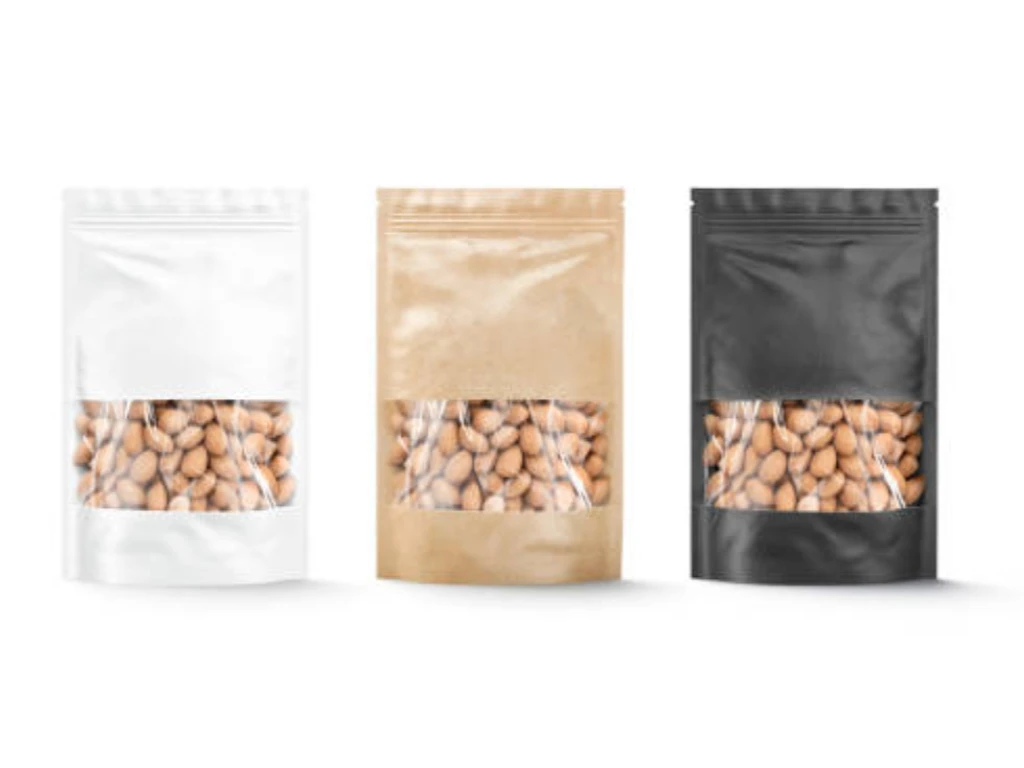
Tas dan Kantong: Jenis yang paling banyak digunakan, seperti kantong berdiri (SUP) dengan ritsleting, kantong bantal (seperti kantong keripik), sachet sekali pakai, dan pelapis kantong di dalam kotak.
Kemasan fleksibel telah muncul ke permukaan dengan mendefinisikan ulang persamaan tersebut. Kemasan ini menyediakan sebagian kecil dari penahanan material, kanvas definisi tinggi untuk merek dan tingkat kenyamanan baru bagi konsumen akhir.
Kemasan yang Kaku vs Kemasan yang Fleksibel: Perbandingan Secara Langsung
Keputusan pengemasan yang kaku vs pengemasan yang fleksibel di antara kedua filosofi tersebut tidaklah mudah. Apa yang terlihat benar di satu buku besar (misalnya, keberlanjutan) mungkin terlihat berbeda di buku besar lainnya (misalnya, total biaya). Untuk membuat keputusan strategis, kita perlu menguraikan perbandingan pada lima metrik utama yang paling penting bagi bisnis.
| Kategori | Pengemasan yang Kaku | Kemasan Fleksibel |
| Kelebihan | - Perlindungan struktural yang unggul (himpitan/benturan) | - Biaya rantai pasokan yang jauh lebih rendah (ringan, ringkas) |
| - Persepsi merek premium (kaca/logam) | - Total Biaya Kepemilikan (TCO) yang lebih rendah | |
| - Daur ulang yang sederhana dan matang (kaca/aluminium) | - Tahan pecah | |
| Kekurangan | - Biaya transportasi & pergudangan yang sangat tinggi | - Perlindungan struktural yang lemah (tidak dapat dihancurkan) |
| - Total Biaya Kepemilikan (TCO) yang lebih tinggi | - Risiko tertusuk | |
| - Risiko kerusakan (misalnya kaca) | - Secara tradisional sulit untuk didaur ulang (multi-lapisan) | |
| - Kenyamanan konsumen yang lebih rendah | - Dapat dianggap sebagai "murahan" (jika dieksekusi dengan buruk) |
TCO (Total Biaya Kepemilikan): Di luar Harga Satuan
Kesalahan yang paling umum dan mahal saat menganalisis biaya kemasan fleksibel vs kaku adalah terobsesi dengan harga satuan, harga satu toples kaca dan satu kantong adalah ukuran kesia-siaan; Total Biaya Kepemilikan (TCO) adalah ukuran kewarasan.
TCO tidak hanya melihat item pengadaan, namun juga memeriksa seluruh ekosistem biaya:
Biaya Material: Meskipun kemasan fleksibel mungkin memerlukan 70-90% lebih sedikit bahan menurut beratnya, namun teknologi canggih film multi-lapisan terkadang membuat harga satuannya tampak serupa dengan alternatif sederhana yang kaku. Namun, ini hanyalah permulaan.
Total Biaya Kegagalan: Ini adalah variabel yang penting dan sering dirahasiakan. Berapa harga satu palet stoples kaca yang pecah atau wadah kaku yang rusak? Biaya kegagalan ini bukan hanya produk dan kemasan yang hilang, tetapi juga tenaga kerja untuk membersihkannya, logistik pengiriman ulang, dan biaya tak terukur dari pelanggan yang kecewa. Kemasan fleksibel juga tahan pecah pada dasarnya, yang secara praktis mengecualikan titik kegagalan yang menghancurkan ini dalam persamaan TCO.
Biaya Produksi: Bahan kemasan fleksibel biasanya dikonfigurasikan untuk operasi form-fill-seal (FFS) berkecepatan tinggi, yang meningkatkan hasil dan mengurangi biaya tenaga kerja per unit.
Gambaran TCO bisa sangat berbeda ketika Anda memasukkan faktor pengali kegagalan dan efisiensi.
Berat, Ukuran, dan Efisiensi Rantai Pasokan
Di sini, argumen finansial dari pengemasan fleksibel tidak dapat diabaikan. Perbedaan berat dan ukuran bukanlah hal yang sepele; ini adalah aspek terobosan yang mengalir ke seluruh rantai pasokan.
Berat: Kantung fleksibel bisa lebih ringan 85-95% daripada kantung kaca yang kaku. Ini adalah pemotongan biaya bahan bakar pengiriman dari dolar ke dolar. Ini mengurangi jejak karbon dari setiap unit yang dikirim, apakah itu pabrik Anda atau pusat distribusi, atau rak ritel.
Ukuran (Pergudangan dan Pengangkutan Masuk): Kemasan yang kaku sebenarnya adalah pengiriman udara. Truk berisi stoples kaca kosong sebagian besar adalah ruang kosong. Kemasan fleksibel, yang dipasok dalam wadah atau gulungan, sangat padat. Satu truk penuh kantong datar dapat menggantikan 10, 15, atau bahkan 20 truk penuh wadah kaku kosong.
Efisiensi Rantai Pasokan: Efek dari kedua faktor ini sangat besar jika digabungkan. Anda menghemat bahan bakar untuk pengiriman, dan real estat untuk gudang. Bisnis Anda menjadi lebih gesit. Ini adalah perbedaan antara rantai pasokan yang dibangun dengan menggunakan kapal galai yang berat dan berat dan armada kapal perusak yang cepat dan efisien.
Daya Tahan, Sifat Penghalang, dan Umur Simpan
Kategori ini penuh dengan stereotip. Anggapan langsungnya adalah bahwa yang kaku lebih protektif. Kebenarannya lebih bernuansa.
Daya tahan: Kemasan yang kaku bagus dalam hal gaya tekan (penghancuran) dan perlindungan benturan. Dalam kasus produk seperti bola lampu yang rapuh atau sebotol sampanye, integritas struktural ini tidak dapat dikompromikan. Kemasan fleksibel tahan terhadap tusukan tetapi tidak tahan terhadap penghancuran. Tetapi jauh lebih tahan terhadap jatuh karena tahan pecah.
Sifat Penghalang dan Umur Simpan: Inilah kekuatan rahasia kemasan fleksibel. Kantong plastik biasa tidak memiliki sifat penghalang yang baik. Namun, kemasan fleksibel kontemporer adalah keajaiban teknik. Ini terdiri dari beberapa lapisan khusus yang terikat bersama.
- A lapisan luar yang dapat dicetak (seperti PET) dan tahan lecet.
- Sebuah lapisan perantara (seperti aluminium foil atau film metalisasi) untuk memberikan penghalang yang nyaris kedap terhadap oksigen, kelembapan, dan sinar UV.
- A lapisan penyegelan (seperti PE). Campuran yang disesuaikan ini sering kali melampaui sifat-sifat penghalang dari berbagai plastik keras dan dapat menawarkan masa simpan yang setara (atau bahkan lebih unggul) dari kaca atau logam dari berbagai produk, sebuah faktor kunci dalam perdebatan kemasan yang fleksibel vs kaku untuk makanan.
Keberlanjutan dan Dampak Lingkungan
Ini adalah aspek yang paling rumit dan kontroversial dari perbandingan kemasan fleksibel vs kemasan kaku. Tidak ada solusi ramah lingkungan yang mudah.
Kemenangan di Akhir Masa Pakai oleh Rigid: Kemasan yang kaku, khususnya kaca dan aluminium, memiliki manfaat yang berbeda dan kuat: dapat didaur ulang. Aliran koleksi ini bersifat dewasa dan bahan-bahannya dapat didaur ulang tanpa batas waktu tanpa kehilangan kualitas. Ini adalah pernyataan lingkungan yang lugas, kuat dan dapat dipasarkan.
Kemenangan Siklus Hidup yang Fleksibel: Kemasan fleksibel mengklaim mengambil pendekatan yang lebih holistik, yang disebut dengan Life Cycle Assessment (LCA).
- Sumber Pengurangan: Dimulai dengan bahan yang jauh lebih sedikit. Paket yang paling berkelanjutan adalah paket yang paling sedikit menggunakan bahan.
- Produksi Energi: Ini menggunakan lebih sedikit energi dan air untuk menghasilkan film fleksibel dibandingkan dengan kaca atau logam.
- Jejak Transportasi: Berat dan volumenya yang rendah, seperti yang disebutkan di bagian TCO, secara signifikan mengurangi emisi karbon dari transportasi.
- Dampak Tempat Pembuangan Akhir (TPA): Seandainya ia menemukan jalan ke tempat pembuangan akhir, ia hanya menempati sebagian kecil ruang.
Tantangan untuk mendaur ulang laminasi multi-material telah menjadi kelemahan utama dari bahan fleksibel. Namun demikian, industri ini secara aktif mengatasi hal ini, dan struktur fleksibel mono-material baru yang siap didaur ulang dengan cepat menjadi norma baru. Pertanyaannya adalah: haruskah kita memiliki paket yang mudah didaur ulang, atau yang menggunakan lebih sedikit sumber daya selama masa pakainya?
Citra Merek dan Pengalaman Konsumen
Inilah pertarungan memperebutkan hati. Representasi fisik merek Anda adalah kemasan.
Gambar Kaku: Kemasan yang kaku memiliki kisah yang kuat di baliknya, yaitu tradisi, kualitas tinggi dan konten. Bunyi guci kaca yang berat, atau bunyi tutup logam yang terbuka, memberikan kesan dapat diandalkan dan mewah.
Gambar Fleksibel: Kemasan fleksibel adalah papan reklame baru. Dalam kasus di mana wadah yang kaku memiliki label kecil, label adalah seluruh permukaan kantong fleksibel. Ini memberikan kanvas definisi tinggi 360 derajat dengan grafis fotorealistik, tinta metalik, dan hasil akhir matte/gloss. Hal ini memungkinkan sebuah merek untuk berteriak dari rak.
Pengalaman Konsumen: Di sinilah fleksibilitas benar-benar menonjol. Dibuat untuk kenyamanan.
Fungsionalitas: Ritsleting yang dapat ditutup kembali, cerat tuang cairan, lekukan sobek agar mudah dibuka, dan fitur kantong yang dapat dimasukkan ke dalam microwave.
Portabilitas: Kamera ini ringan, muat di dalam tas, dan tidak akan pecah.
Evakuasi Produk: Seorang konsumen dapat memeras tetes terakhir produk dari kantong fleksibel, yang meminimalkan pemborosan makanan dan meningkatkan persepsi nilai. Tidak mungkin Anda bisa mengeluarkan 10 persen selai terakhir dari stoples kaca. Pengalaman langsung ini menciptakan keterlibatan positif setiap hari dengan merek Anda.
Cara Memastikan Kemasan Fleksibel Anda Memenuhi Janjinya
Anda telah menyaksikan potensi besar dari kemasan fleksibel, untuk mengurangi TCO, membangun siklus hidup yang berkelanjutan, dan membangun pengalaman merek yang kaya.
Kemungkinan ini bukan jaminan.
Keuntungan dari kemasan fleksibel hanya dapat dicapai apabila dilakukan dengan akurat. Kemasan yang fleksibel dan mengelupas, bocor, atau cetakannya berlumpur dan tidak rata, merupakan bencana yang menghancurkan merek. Ini tidak seburuk pengganti garis keras apa pun. Kesenjangan antara potensi dan performanya, semuanya terletak pada teknologi yang digunakan untuk membuatnya.
Janji Visual: Mencapai Hasil Cetak & Konsistensi Merek yang Sempurna
Hanya ketika seni pada "kanvas" merek 360 derajat itu sempurna, barulah itu menjadi keuntungan. Warna tertentu dari merek Anda (Coca-Cola Red atau Tiffany Blue) harus sempurna, dalam jutaan unit.
Ini bukanlah tugas yang sederhana. Ini melibatkan peralatan pencetakan yang akurat, termasuk mesin cetak Flexographic atau Rotogravure berkecepatan tinggi. Sistem canggih ini bertanggung jawab atas:
Kesetiaan Warna: Memastikan bahwa warna merek Anda jelas dan tepat.
Pendaftaran: Memastikan bahwa semua lapisan warna disejajarkan dengan sempurna (tidak ada gambar yang berbayang atau buram).
Konsistensi: Mampu mempertahankan kualitas tersebut pada kecepatan tinggi, dari kantong pertama hingga kantong ke sejuta.
Teknologi pencetakan yang buruk menyebabkan penyimpangan warna, gambar yang buram dan kesan produk yang murahan. Kualitas mesin cetak inilah yang membuat merek Anda menjanjikan apa pun secara visual.
Di sinilah KETE, sebagai produsen profesional yang dikenal dengan solusi berkinerja tinggi, memberikan jawabannya. Kami mengkhususkan diri pada Mesin Cetak Flexographic presisi tinggi yang dirancang untuk mengatasi tantangan ini. Teknologi kami memastikan registrasi yang sempurna dan stabilitas warna yang tak tergoyahkan di berbagai macam substrat, dari film plastik dan kertas hingga non-anyaman. Hal ini memberdayakan produsen untuk memenuhi standar merek yang paling ketat. Selain itu, sistem kami dioptimalkan untuk kemasan makanan, memanfaatkan tinta berbasis air yang disetujui FDA dan tidak beracun untuk menghasilkan produk akhir yang aman dan memukau secara visual.
Janji Fungsional: Memastikan Integritas & Keandalan Struktural
Kantong yang bocor dan indah adalah kegagalan fungsi. Pengalaman baik yang dimiliki konsumen (ritsleting, buhul berdiri, segel) bergantung pada sisi produksi yang tidak terlihat: mesin pengubah kemasan.
Ini adalah mesin yang mengubah gulungan film menjadi paket yang sudah jadi dan dapat diandalkan:
Laminator harus memastikan bahwa berbagai lapisan terikat dengan sempurna tanpa gelembung atau area lemah yang dapat memengaruhi penghalang.
Slitter diperlukan untuk mengiris gulungan dengan akurasi mikroskopis sehingga dapat berjalan dengan sempurna.
Mesin Pembuat Tas harus menggunakan panas, tekanan, dan waktu yang tepat dan seragam untuk membuat segel yang tidak akan pecah.
Kegagalan proses konversi adalah kantong yang tidak bisa berdiri, ritsleting yang sobek, atau segel yang bocor. Keakuratan mesin ini berbanding lurus dengan keandalan fungsional paket Anda.
Kami memahami bahwa keandalan fungsional tidak dapat ditawar. Itulah sebabnya seluruh rangkaian mesin konversi KETE - dari laminator hingga slitter presisi dan pembuat tas - dirancang untuk menghasilkan segel yang sempurna dan integritas struktural. Komitmen terhadap keunggulan manufaktur ini divalidasi oleh sertifikasi ISO 9001, CE, dan RoHS kami, memastikan keandalan yang kami dukung dengan garansi 1 tahun.

Kesimpulan
Pilihan antara kemasan kaku vs kemasan fleksibel adalah salah satu keputusan strategis terpenting yang dapat dibuat oleh bisnis. Tidak ada satu jawaban yang benar. Kemasan kaku adalah benteng, yang memberikan kekuatan tradisional dan rute daur ulang yang pasti. Namun, kemasan fleksibel menawarkan jawaban baru yang holistik, baju zirah berteknologi tinggi yang memberikan efisiensi yang mendalam, dampak lingkungan yang lebih rendah, dan platform yang tak tertandingi untuk memproyeksikan merek Anda. Pilihan terbaik didasarkan pada evaluasi yang jernih terhadap TCO, kisah merek, dan tujuan keberlanjutan Anda. Pilihlah dengan bijak. Dan ketika Anda memutuskan untuk menggunakan potensi besar kemasan fleksibel, pastikan mitra Anda memiliki teknologi tinggi untuk memenuhi janji tersebut.


