DE
DE  EN
EN  RU
RU  ES
ES  FR
FR  AR
AR  PT
PT  IT
IT  ID
ID  KO
KO  TR
TR  VN
VN  TH
TH  IN
IN 
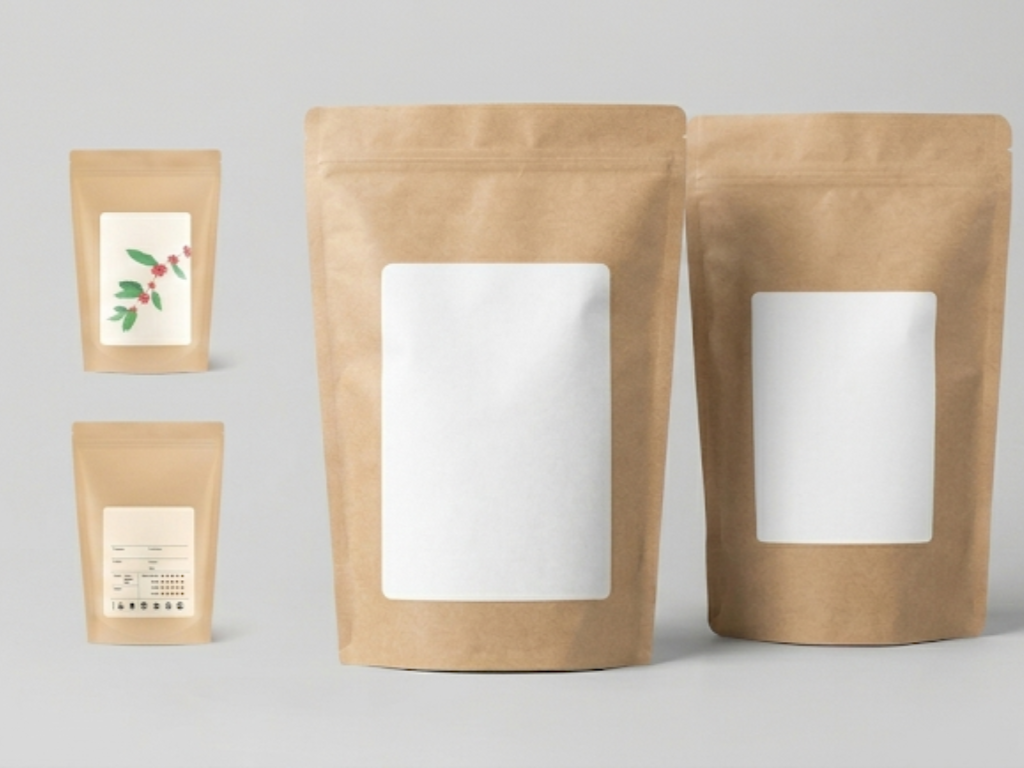
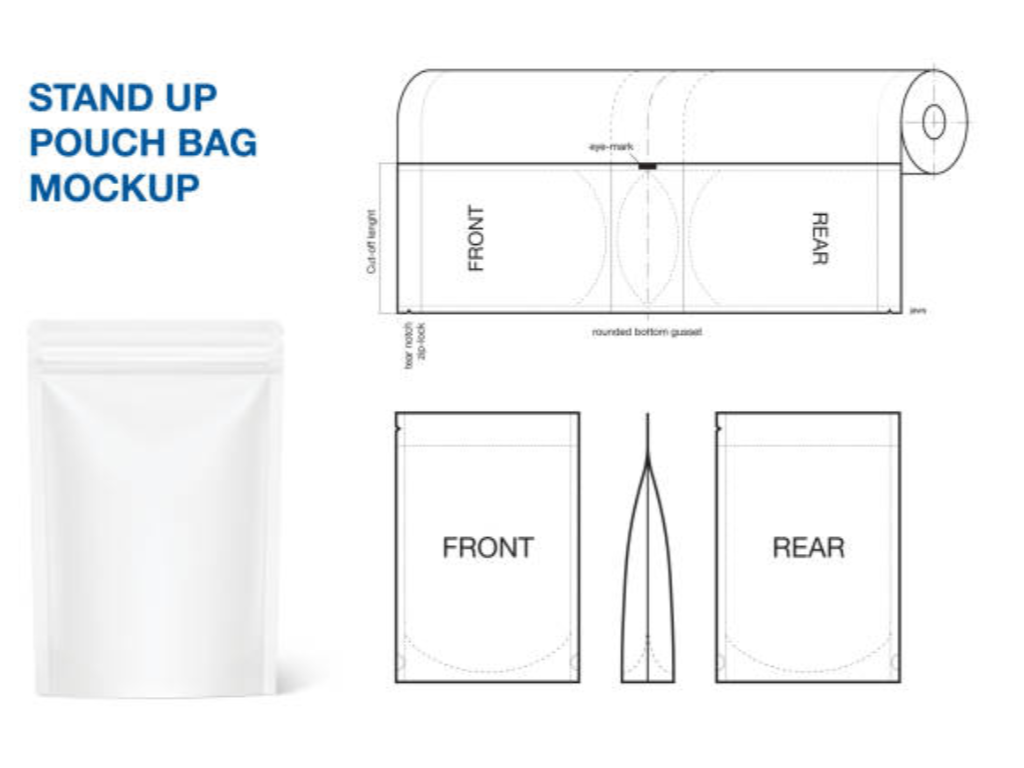
Stand up pouch printing is the highly specialized industrial process of applying complex graphic designs, vital nutritional information, and brand-specific colorways onto flexible packaging substrates such as polyethylene terephthalate (PET), aluminum foil, and kraft paper using advanced continuous web printing presses. Unlike traditional commercial paper printing, which relies on the natural absorption of porous materials, flexible packaging printing demands the precise application of specially formulated inks onto entirely non-porous surfaces. This fundamental physical difference introduces an exponential increase in the complexity of the manufacturing process, requiring master-level control over web tension, sophisticated ink curing mechanisms, and microscopic color registration systems.
For modern converters and packaging facilities, mastering this process is no longer optional; it is a critical survival mandate. The global retail landscape is undergoing a massive shift. Consumer packaged goods (CPG) brands are aggressively transitioning away from rigid containers like glass jars and tin cans, opting instead for the lightweight, cost-effective, and visually striking format of the stand-up pouch. However, these brands are no longer satisfied with generic, unbranded stock bags with simple sticker labels applied to the front. They demand exceptionally high-fidelity graphics, flawlessly matched Pantone colors, and increasingly short turnaround times to accommodate rapid product launches, seasonal variations, and highly fragmented, multi-SKU product portfolios.
This escalating demand has placed immense pressure on traditional packaging converters. Operating legacy printing equipment designed for a bygone era of massive, monolithic production runs often results in unacceptable defect rates, excruciatingly slow changeover times, and a crippling inability to remain profitable when handling modern, smaller-volume orders. To thrive in today’s highly competitive packaging market, converters must graduate from acting as low-margin, high-volume commodity producers to becoming agile, high-value, tech-enabled engineering partners. This comprehensive technical guide will serve as your ultimate blueprint, deconstructing the physical mechanics of the big three printing methodologies, providing an uncompromising quantitative analysis of the minimum order quantity (MOQ) cost matrix, decoding the complex chemistry of substrate compatibility, and outlining the exact prepress engineering pitfalls that routinely cause catastrophic financial losses on the production floor.
Decoding the Big Three Printing Technologies
The most persistent and fundamentally flawed question posed by brands entering the flexible packaging market is: “Which printing method is the absolute best?” From an engineering and procurement standpoint, this is a dangerous fallacy. Attempting to evaluate a printing technology in a vacuum, entirely divorced from the specific production volume (MOQ), budget constraints, and design requirements of a given project, is the fastest route to financial disaster. The industry relies on a tripartite foundation of technologies, each dominating a specific operational bandwidth. By analyzing their distinct physical mechanisms, modern converters can perfectly align client demands with the correct production machinery.
Rotationstiefdruck
Rotogravure printing, often simply referred to as gravure, represents the absolute zenith of graphic fidelity in the flexible packaging industry. It is an intaglio printing process, meaning the image to be printed is physically engraved into the surface of a massive, copper-plated steel cylinder. Using advanced electromechanical diamond styluses or highly focused laser engraving technologies, microscopic cells are carved into the copper. During the printing process, the cylinder rotates through a bath of low-viscosity liquid ink. A precision-ground steel blade, known as the doctor blade, forcefully scrapes the surface of the cylinder, wiping away all excess ink and leaving ink only within the recessed, engraved cells. As the flexible substrate is pressed against the cylinder by a rubber impression roller, capillary action draws the ink out of the cells and transfers it onto the film.
The defining characteristic of rotogravure is its ability to achieve breathtaking, near-photographic quality resolution, routinely hitting 175 to 200 Lines Per Inch (LPI) with flawless, continuous-tone color gradients. However, this unmatched quality comes with a punishing financial barrier to entry. The manufacturing process for the copper cylinders is highly labor-intensive, time-consuming, and brutally expensive. A full-color design typically requires separate cylinders for Cyan, Magenta, Yellow, Black, a White underbase, and potentially several custom Pantone spot colors. This upfront capital expenditure—the “sunk cost” of buying the physical molds—makes gravure printing an absolute financial catastrophe for small or medium-sized production runs. Its dominance is strictly reserved for the extreme upper echelon of volume production. When a multinational brand requires millions of identical stand-up pouches with absolute color consistency over a multi-year run, rotogravure is the undisputed king, driving the per-pouch variable cost down to mere pennies.
Flexodruck
Flexographic printing, or flexo, occupies the most lucrative and rapidly expanding “sweet spot” in the modern flexible packaging landscape. Unlike the recessed metal cells of gravure, flexography utilizes a rotary relief printing method. The image areas are raised above the non-image areas on a flexible, photopolymer resin plate. You can conceptualize this process as a highly sophisticated, high-speed, industrial-scale rubber stamp. An anilox roller—a steel or aluminum core covered in microscopic, precisely measured ceramic cells—picks up the ink and applies a highly controlled, exceptionally uniform layer of ink to the raised surface of the photopolymer plate. The plate then rotates and directly transfers the wet ink onto the moving web of flexible film.
Historically, flexography was relegated to lower-tier printing jobs, plagued by issues like poor color gradients, harsh line edges, and severe dot gain. However, the introduction of High Definition (HD) Flexo technology, advanced digital plate-making processes, and highly sophisticated tension control systems has completely revolutionized the sector. Today, a state-of-the-art flexographic press can produce results that are visually indistinguishable from rotogravure to the untrained eye, all while offering significantly lower plate costs and much faster changeover times. Furthermore, flexography is highly adaptable to environmentally friendly, water-based ink systems, making it the primary choice for converters targeting the sustainable packaging market.
Engineering Perspective: The Crucial Role of Press Precision
While the physics of flexography are brilliant, the actual execution is entirely dependent on the mechanical tolerances of the printing press. To rival gravure quality, a flexo press must eliminate vibration, maintain perfect web tension across micron-thin films, and achieve flawless color registration.KETE supplies industry-leading flexographic printing presses globally, exporting over 200 units annually to modern conversion facilities. Engineered with international top-tier servo motors, high-precision drives, and robust CNC-machined frames, KETE flexo presses operate safely at breathtaking speeds of up to 500 meters per minute. Supporting 2 to 8-color ultra-precise registration, these machines drastically elevate factory throughput while eliminating the severe financial losses caused by color-shift misprints. To ensure absolute reliability, every KETE press undergoes rigorous, real-world print testing using the client’s actual substrate materials before it ever leaves the manufacturing floor, allowing packaging executives to scale their operations with absolute confidence.
Digitaldruck
Digital printing represents the most disruptive paradigm shift the packaging industry has experienced in the last two decades. Operating primarily on sophisticated electrophotographic liquid ink technologies (such as the proprietary HP Indigo ElectroInk system) or advanced industrial inkjet arrays, digital presses completely eliminate the need for physical printing plates. The artwork is rasterized by a powerful digital front end (DFE) and transferred directly onto the substrate via electrical charges or microscopic piezo printheads. By circumventing the entire physical prepress plate-making process, digital printing eradicates the massive upfront setup costs that define both gravure and flexo.
This elimination of plate costs liberates small-to-medium-sized brands, allowing them to compete on the retail shelf with packaging that rivals the giants. If an artisan coffee roaster launches 10 distinct single-origin blends, but only requires 1,000 stand-up pouches for each SKU, traditional printing methods would bankrupt the project before a single bag was manufactured. Digital printing is the only mathematically viable solution for these hyper-fragmented, short-run scenarios. Additionally, because the image is generated dynamically for every single impression, digital presses offer Variable Data Printing (VDP). This allows converters to print unique serial numbers, individualized QR codes, or completely different graphic variations on every consecutive pouch within the same roll of film, unlocking unprecedented opportunities for supply chain traceability and personalized marketing campaigns.
| Druckprozess | Typische Toleranz (Verschiebung) | Gemeinsame Anwendungen | Risikostufe und mechanische Merkmale |
|---|---|---|---|
| Offset-Lithographie | 0,05 mm - 0,10 mm | Faltschachteln, hochwertige Papieretiketten, luxuriöse Kosmetikschachteln. | Sehr niedrig: Verwendet starre Aluminiumplatten und hochstabile Papiersubstrate. Hervorragend geeignet für extrem feine Details und scharfe Typografie. |
| Rotationstiefdruck (Gravur) | 0,10 mm - 0,15 mm | Großvolumige flexible Verpackungen, Standbodenbeutel, Schrumpfschläuche. | Niedrig: Verwendung von lasergravierten Vollmetallzylindern. Obwohl hoch dehnbare Kunststofffolien mit immensen Geschwindigkeiten verarbeitet werden, bietet der Tiefdruck eine unglaublich stabile Registrierung für große B2B-Druckauflagen über lange Zeiträume. |
| Flexodruck (Flexo) | 0,20 mm - 0,50 mm | Versandkartons aus Wellpappe, Papiertüten, gewebte Säcke, Standardetiketten. | Mäßig bis hoch: Verwendet flexible Fotopolymerharzplatten, die unter physischem Druck zusammengedrückt werden. Druckt oft auf raue oder stark dehnbare Materialien. Erfordert eine hervorragende moderne Ausrüstung, um die Toleranzen einzuhalten. |
| Digitaldruck | < 0,05 mm | Individuelle Verpackungen in kleinen Auflagen, Prototyp-Etiketten, variable Daten. | Praktisch Null: Es werden keine physischen farbgetrennten Platten im herkömmlichen Sinne verwendet. Das Verfahren ist jedoch zu kostspielig und zu langsam für große industrielle Produktionsläufe. |
The Cost Matrix and MOQ Break Even Point
To successfully navigate the business of flexible packaging, procurement directors and facility owners must transition their thinking from qualitative technical assessments to rigid, quantitative financial modeling. The most devastating mistakes in the packaging industry occur when buyers attempt to scale a printing technology beyond its mathematical boundaries. To demystify the financial architecture of stand-up pouch production, we must explicitly map the intersection of fixed costs (prepress plates/cylinders) and variable costs (machine time, ink, and raw film materials). Understanding the Break-Even Point (BEP) between digital and traditional printing is the ultimate defense mechanism against catastrophic budget overruns.
Let us construct a highly realistic B2B financial sandbox. Consider a standard 12oz (340g) pet food stand-up pouch requiring full-color CMYK graphics plus a white underbase. Digital printing imposes zero fixed plate costs, but the proprietary digital inks, specialized substrate primers, and slower machine speeds result in a relatively high variable cost per unit typically hovering around $0.30 per pouch. Conversely, traditional Flexographic or Gravure printing carries a significant fixed penalty. A set of high-definition photopolymer plates or engraved cylinders for this design might cost a combined total of $1,500. However, once the high-speed press is running, the variable cost plummets drastically due to economies of scale, often dropping to just $0.10 per pouch.
By mapping these cost structures against order volume, we discover a critical economic boundary that generally sits between 5,000 and 10,000 units. If a brand orders 5,000 pouches, the digital route costs exactly $1,500. The traditional route costs $500 in materials plus the $1,500 plate fee, totaling $2,000. Here, digital wins easily. However, observe the brutal math of loss aversion when the SKU volume aggressively scales up to a 50,000-unit production run.
Cost Trajectory & Break-Even Point
- The Digital Penalty at Scale: 50,000 pouches × $0.30 variable cost = $15,000 Total Cost.
- The Traditional Leverage at Scale: (50,000 pouches × $0.10 variable cost) + $1,500 fixed plate cost = $6,500 Total Cost.
By simply selecting the incorrect engineering process for the target volume, a procurement manager will hemorrhage an astonishing $8,500 in pure profit on a single SKU run. This severe price disparity is why professional converters must maintain a diverse arsenal of machinery. Digital presses act as the crucial entry point to capture highly lucrative, low-volume artisan brands, while high-speed flexo lines serve as the industrial workhorses that generate massive margins when those exact same artisan brands expand into national grocery chains and require volumes exceeding 20,000 units.
Aligning Ink Chemistry with Pouch Substrates
Selecting the appropriate press is merely the mechanical foundation; the true chemical complexity of stand-up pouch manufacturing lies in the sophisticated interaction between the liquid ink formulation and the molecular structure of the chosen substrate. Failing to properly engineer this chemical bond results in immediate field failures: graphics that scratch off during transit, inks that bleed when exposed to moisture, or terrifying regulatory violations involving the migration of toxic chemical compounds into food products. We must categorize this engineering challenge into two distinct material philosophies: porous and non-porous substrates.
Porous Substrates
The Kraft Paper Challenge
Materials like natural or bleached Kraft paper behave essentially like microscopic sponges. When applying ink to these surfaces, the industry utilizes a technique known as Surface Printing—depositing the ink directly onto the outermost layer of the package. Because the paper actively absorbs the ink, the primary concern is preventing excessive dot gain.
In modern eco-conscious packaging, converters lean toward advanced water-based flexographic inks. It yields a beautifully organic, muted, and entirely matte finish perfectly aligned with sustainable brand identities. For high abrasion resistance, specialized Ultraviolet (UV) or Electron Beam (EB) curing inks are deployed to instantly solidify into a tough polymer shell.
Non-Porous Substrates
The PET & Foil Imperative
The overwhelming majority of high-barrier pouches rely on impermeable polymer films (PET) or metallic layers (Aluminum Foil). These surfaces possess extremely low surface energy; ink inherently does not want to stick to them. To guarantee absolute food safety, the industry mandates Reverse Printing. Instead of printing on the outside, the graphic is printed in reverse directly onto the inside face of the clear exterior PET layer.
Think of it as painting a masterpiece onto the back of a pristine pane of glass, and then gluing a solid sheet of metal behind it. This structure guarantees the ink is permanently encapsulated, absolutely impervious to exterior scratching, and physically blocks the ink from making contact with the food.
Prepress Disasters and How to Avoid Them
Even the most advanced million-dollar flexographic press cannot salvage a fundamentally flawed design file. The disconnect between graphic designers (who operate in a digital, screen-based reality) and prepress engineers (who must manage the physical constraints of fluid dynamics on plastic films) is the leading cause of costly production delays. Examining the most common prepress “autopsies” reveals critical parameters that must be strictly enforced before a single drop of ink is deployed.
The RGB to CMYK Trap and Total Ink Coverage (TIC)
A computer monitor emits light using Red, Green, and Blue (RGB) phosphors or LEDs, capable of displaying hyper-vibrant, neon, and physically impossible colors. Printing presses, however, subtract light by layering physical pigments of Cyan, Magenta, Yellow, and Key/Black (CMYK). When an inexperienced designer submits an RGB file containing brilliant neon greens or glowing electric blues, the physical press will output muddy, dull, and profoundly disappointing approximations. However, the far more dangerous threat lies in the mechanical failure caused by unrestrained Total Ink Coverage (TIC), also known as Total Area Coverage (TAC).
TIC refers to the sum percentage of the four CMYK channels applied to a single microscopic dot on the substrate. If a designer attempts to create the “deepest, darkest black” by setting Cyan, Magenta, Yellow, and Black all to 100%, they generate a TIC of 400%. In a commercial paper environment, this might merely warp the paper. In a high-speed flexible packaging environment printing on non-porous PET film, a 400% TIC is a catastrophic event. That volume of liquid ink simply cannot evaporate or cure fast enough within the machine’s drying tunnels. As the film is rapidly wound into a tight master roll at the end of the press, the thick, wet ink from the front of the film will physically glue itself to the back of the adjacent layer of film. This phenomenon, known as “offsetting” or “blocking,” will instantly destroy a massive roll of film worth tens of thousands of dollars, fusing it into an unusable, solid plastic brick. Professional prepress engineers enforce a strict maximum TIC limit—typically capping it safely between 280% and 300%—ensuring deep, rich colors while guaranteeing safe and rapid ink curing on the web.
The Missing White Underbase (Spot White)
The second most prevalent prepress catastrophe occurs when printing on transparent or metallized substrates. Standard CMYK flexographic and gravure inks are inherently translucent. They are formulated with the assumption that they will be printed onto bright white paper, which bounces light back through the ink layer to give the colors their vibrant luminosity. If you print translucent cyan ink directly onto clear plastic, the color will vanish against the dark contents of the bag. If you print it directly onto aluminum foil, the color will become a dull, dirty, metallic gray.
To prevent this optical failure, prepress engineers must introduce a fifth, highly opaque color channel: the Spot White underbase. Think of this process exactly like painting a dark, red-brick wall. If you want to paint a bright blue sky on that wall, you cannot simply apply blue paint directly; the red brick will consume the color. You must first apply a thick coat of white primer. In pouch printing, the press precisely lays down a solid layer of highly pigmented titanium dioxide white ink exclusively behind the areas where graphic elements and text will appear. This white barrier blocks out the background material, creating a localized, brilliantly white canvas that allows the subsequent CMYK layers to achieve their maximum color gamut and visual pop, preventing the entire print run from looking dark, lifeless, and amateurish.
Struggling with Offline Finishing Bottlenecks?
Moving printed rolls across the factory floor to separate laminating, embossing, and die-cutting machines destroys your delivery timelines, skyrockets manual labor costs, and guarantees high material waste. The future of profitable flexible packaging demands Single-Pass Inline Architecture.
Leveraging 30+ years of engineering excellence, KETE provides customized, end-to-end production solutions. Whether you require inline embossing, cold foil stamping, or advanced die-cutting stations, our global engineering team will seamlessly integrate these complex capabilities directly into your custom flexo line, permanently eliminating your factory bottlenecks.
Discuss Your Custom Inline Architecture with KETEElevating Shelf Appeal with Advanced Finishes
While mastering accurate CMYK reproduction is the baseline for entry, the true battleground for consumer attention—and brand premiumization—is fought in the realm of tactile and optical surface finishes. When a consumer walks down a crowded supermarket aisle, their brain processes hundreds of competing stand-up pouches in fractions of a second. To break through this visual noise, modern packaging converters must deploy advanced post-press finishing techniques that physically alter how the pouch reflects light and feels in the human hand. A standard glossy pouch feels cheap; an engineered surface finish subliminally communicates luxury, allowing a brand to command a significantly higher retail price point.
High-Impact Surface Techniques:
- ✨ Matte/Gloss Contrast (Spot UV): By applying an overall matte varnish to the pouch, the background is rendered soft and light-absorbing. The press then precisely applies a high-gloss, reflective UV coating exclusively over specific elements—such as the brand logo or a high-definition photograph of a coffee bean. This localized contrast creates a stunning three-dimensional illusion.
- 🪶 Soft-Touch Coatings: To target the consumer’s haptic perception, these specialized aliphatic polyurethane coatings microscopically alter the surface tension of the film, creating a velvety, peach-fuzz texture that is impossible to stop touching. The luxurious tactile feedback immediately triggers psychological cues associated with premium quality.
However, executing these advanced finishes—alongside Cold Foil Stamping for metallic accents and precision Die-Cutting for custom pouch shapes—presents a massive logistical nightmare for legacy factories. Traditional facilities are forced to perform these actions as isolated, “offline” processes. An operator must remove a massive, 500-kilogram roll of printed film from the press, transport it across the factory floor on a forklift, load it onto a standalone laminator, run the roll, transport it again to an offline die-cutter, and so forth. This fragmented workflow destroys delivery schedules, exponentially inflates manual labor costs, and results in horrifying amounts of material waste every time the web is threaded through a new machine.
The ultimate engineering solution to this crisis is the adoption of Inline Architecture. As emphasized by elite equipment manufacturers, true operational efficiency is achieved only when raw material enters one end of the machine and a fully finished, high-value product emerges from the other. By investing in highly customizable, modular printing platforms, facility owners can seamlessly integrate specialized stations for inline embossing, protective UV varnishing, cold foiling, solvent-less lamination, and precision rotary die-cutting into a single, continuous, uninterrupted web pass. This level of extreme automation allows a converter to compress a chaotic, multi-day production cycle into mere minutes, drastically reducing waste and securing dominance in the high-margin luxury packaging sector.
Navigating Sustainable Inks and Recyclable Printing
The aggressive global shift toward circular economies and stringent environmental regulations has irreversibly changed the trajectory of flexible packaging. It is no longer sufficient for a stand-up pouch to merely look spectacular; the entire engineering stack from the substrate to the chemical composition of the inks must withstand intense environmental scrutiny. Export-focused brands, particularly those penetrating European and North American markets, face rigid mandates regarding recyclability and volatile organic compound (VOC) emissions.
The legacy reliance on heavily solvent-based inks, which release harmful VOCs into the atmosphere during the drying process, is rapidly becoming a significant liability. Progressive converters are preemptively upgrading their press technologies to accommodate advanced Water-Based Ink Systems. While historically challenging to dry at high speeds on non-porous plastic films, the integration of high-velocity hot air impingement dryers and enhanced resin formulations has made water-based flexography a robust, zero-VOC reality. Furthermore, the lamination phase binding the printed layer to the barrier layers has evolved. By deploying Solvent-less Lamination technology, factories completely eliminate toxic solvent usage, curing the adhesives through a precise chemical cross-linking reaction rather than thermal evaporation. As the industry accelerates toward the holy grail of 100% recyclable, mono-material PE (Polyethylene) pouches, ensuring that the applied inks and varnishes do not contaminate the recycling stream is the final, critical step in delivering uncompromising, future-proof packaging.
Conclusion: Future-Proofing Your Stand-Up Pouch Production Line
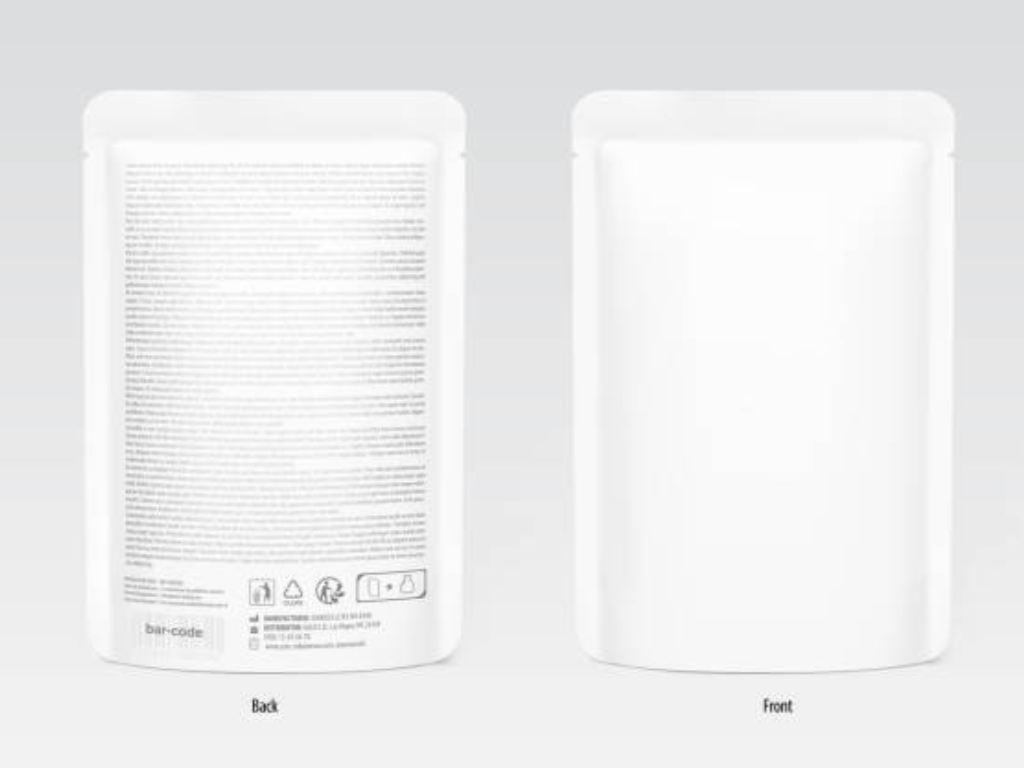
The journey from a blank roll of polymer film to a stunning, shelf-ready stand-up pouch is a gauntlet of complex physical, chemical, and financial variables. As we have deconstructed, relying on outdated assumptions or mismatched technologies will swiftly erode profit margins and damage brand reputation. Whether it involves calculating the precise MOQ break-even point between digital agility and flexographic power, preventing catastrophic prepress ink coverage failures, or mastering the haptic psychology of inline soft-touch finishes, success in modern flexible packaging requires absolute engineering precision.
Attempting to scale a conversion facility and navigate these complex equipment transitions in isolation is a high-risk gamble. The competitive gap between traditional, low-margin bag makers and highly automated, premium packaging providers is widening daily. To secure your position at the forefront of this lucrative market, you require more than just standalone machinery; you need a strategic engineering partner capable of designing a cohesive, zero-bottleneck production ecosystem tailored precisely to your operational goals.
Do not let inefficient offline finishing and outdated press technology cap your revenue potential. Leverage over three decades of global manufacturing expertise to eliminate waste and radically optimize your factory floor.
Request Your Custom Pouch Printing Line ROI Analysis