 ZH
ZH  EN
EN  RU
RU  ES
ES  FR
FR  AR
AR  PT
PT  IT
IT  ID
ID  KO
KO  TR
TR  DE
DE  VN
VN  TH
TH  IN
IN  JA
JA  MS
MS 
01.What Is Razor Slitting and How Does It Work?
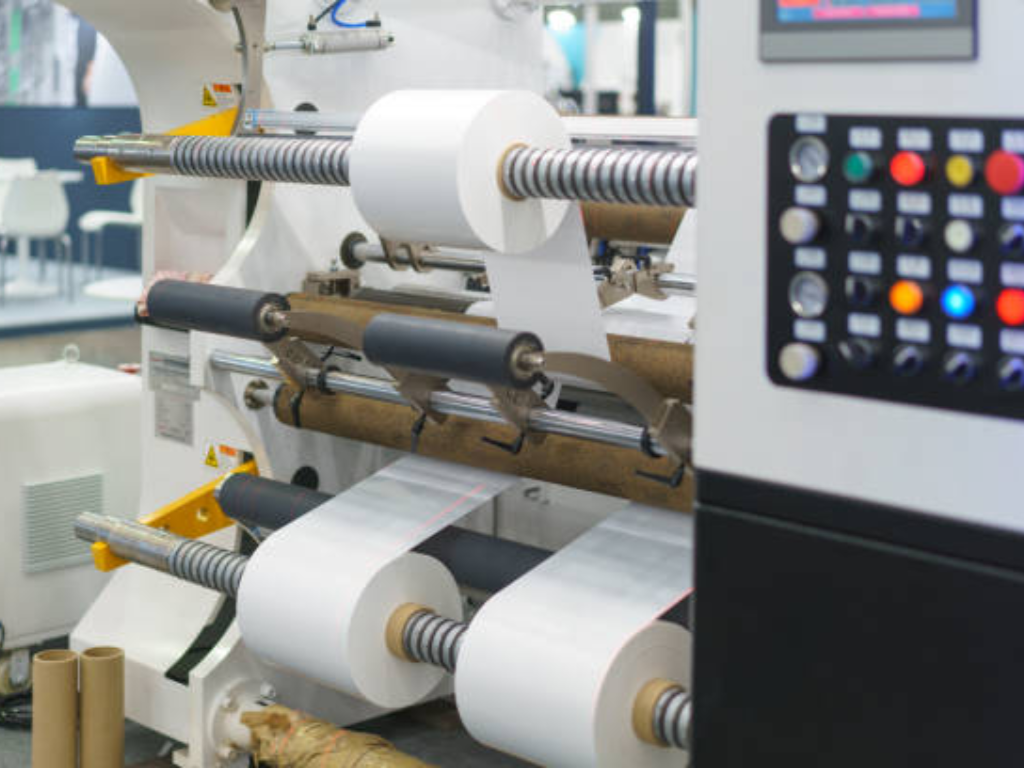
Razor slitting is a web converting process in which a stationary razor blade slices through a moving roll of material, separating it into narrower widths. Unlike shear slitting where two rotating knives meet in a scissor-like action razor slitting relies on tensile stress fracture. The blade tip creates a controlled crack that propagates 1 3 mm ahead of the cutting edge, cleaving the material before it ever physically touches the blade’s full surface.
Think of it like sliding an envelope across a fixed letter opener. The envelope moves, the blade stays still, and the cut happens because the material drives itself into the edge. The thinner the envelope, the cleaner the cut which is exactly why razor slitting dominates in thin-film applications.
There are two common configurations. Razor-in-air positions the blade in open span between rollers, making it the simplest setup and ideal for delicate substrates where minimal contact is desirable. Razor-in-groove mounts blades inside grooves on a supporting roll, providing greater stability and accuracy the go-to choice when slit-width precision matters or when the material is slightly thicker.
The method’s appeal is straightforward: a typical razor slitting line can run at 200 600 m/min, achieve minimum slit widths as low as 5 mm, and requires only 10 15 minutes for a full blade changeover. The blades themselves cost pennies compared to the rotary knives used in shear systems. But this simplicity comes with a trade-off: blade life is short, and the method is unforgiving with the wrong material. Understanding those boundaries is what the rest of this guide is about.
02.Razor vs. Shear vs. Score: Which Slitting Method Is Right for You?
Before diving into blade catalogs and machine specs, answer three questions:
- What material are you slitting, and how thick is it?
- Does your line run long campaigns of a single SKU, or frequent changeovers between different widths and materials?
- What is your operator team’s technical skill level?
Your answers will naturally point toward one method and away from the others.
Razor Slitting The Economical Choice for Thin Films
Razor slitting is the go-to method for thin, non-abrasive plastic films BOPP, PET, PE, CPP, PVC, and lightweight laminates typically in the 12 175 ¼m (0.5 7 mil) range. At its best, it delivers clean, dust-free edges at speeds of 300 600 m/min with slit-width tolerances around ±0.5 mm.
The economics are compelling: blades are disposable and cost-effective, setup takes 10 15 minutes, and the system requires minimal capital investment. For a converter running multiple short jobs per shift, razor’s quick-change capability keeps the line moving.
The ceiling is just as real. An uncoated carbon-steel blade cutting standard PE film lasts roughly 20 minutes before edge quality degrades meaning 24 blade changes per 8-hour shift (Sollex, 2024). Thicker or abrasive materials chew through blades in minutes. Above 600 m/min, friction heat can melt certain films, leaving raised bead-like edges. And if your material contains filler particles calcium carbonate, titanium dioxide, silica anti-block blade life collapses.
Shear Slitting The Industrial Workhorse for Versatility and Precision
Shear slitting uses two rotating knives a male blade and a female anvil that meet in a continuous scissor cut. It handles virtually any flexible web: films from 50 ¼m to over 500 ¼m, paper, board, aluminum foil, nonwovens, industrial fabrics, adhesive tapes, and multi-layer laminates.
Performance metrics tell the story. Shear systems achieve ±0.1 mm slit-width tolerance five times tighter than razor. Speeds routinely exceed 600 m/min, with well-tuned lines running past 1,000 m/min. Blade life spans 8,000 12,000 km between regrinds, orders of magnitude beyond disposable razor blades.
The trade-offs are complexity and cost. Setup demands 30 45 minutes and a trained technician who understands knife overlap (typically 0.0005″ 0.001″ for films, 0.001″ 0.002″ for paper), cant angle (0.5° 1.5°), and side force (4 8 lbs). Initial capital investment for knife holders, shafts, and positioning systems is significantly higher. And resharpening while cheaper over the long run than buying disposable blades requires a maintenance schedule and spare knife inventory.
Score/Crush Slitting When Pressure Does the Cutting
Score slitting presses a circular blade against a hardened anvil roller (60 65 HRC) with 2 8 lbs of force, crushing the material apart rather than cutting it. It serves a narrow but important niche: pressure-sensitive adhesive tapes, label stock liners, and thick paperboard applications where razor blades would gum up and shear knives would be overkill.
This method generates the most dust of the three and produces the roughest edge quality. If your application isn’t specifically tape, labels, or heavy paperboard, razor or shear is almost certainly the better choice.
03.Which Materials Are Best Suited for Razor Slitting?
The razor slitting sweet spot is narrow but well-defined: non-abrasive, thin-gauge flexible webs. Two factors decide whether your material belongs in a razor slitter: thickness and filler content.
Below is a material-by-material suitability reference. Use it as a starting point always test with your specific grade and line speed.
| 材料類型 | Typical Thickness Range | Razor Suitability | Recommended Blade | 註釋 |
|---|---|---|---|---|
| BOPP | 10 60 ¼m | 非常棒 | Carbon steel, Z-coating | Cleanest razor application; minimal blade wear |
| PET | 12 175 ¼m | 好 | Stainless steel, TiN coating | Heavier gauges (>100 ¼m) push razor limits |
| 低密度聚乙烯/高密度聚乙烯 | 15,200¼ 公尺 | 好 | Z 塗層(零摩擦) | 軟膜;當厚度超過 50 ¼m 時,Z 層塗層至關重要 |
| CPP | 15 80 ¼ 公尺 | 非常棒 | Carbon steel, Z-coating | 與 BOPP 相似;切口平整 |
| PVC | 15,200¼ 公尺 | 條件式 | 不鏽鋼、陶瓷塗層 | 視塑化劑含量而定,可能具有磨蝕性 |
| 鋁箔 | 六點五,四分之一公尺 | 非常棒 | 不鏽鋼 | 薄箔片切起來非常順暢;硬度較高的淬火鋼材磨損速度較快 |
| 金屬化薄膜 | 12 60 ¼公尺 | 條件式 | 陶瓷或 TiN 塗層 | 金屬層會加速未經塗層處理之刀片的磨損 |
| 層壓板(薄膜對薄膜) | 30 150 ¼公尺 | 條件式 | 陶瓷塗層 | 黏合層與多材料堆疊對葉片造成的應力 |
| 不織布 | 30 200 克/平方公尺 | 條件式 | 碳化鎢 | 纖維的研磨性會因類型和黏合方法的不同而差異甚大 |
| 紙/紙板 | 50 300+ ¼m | 不建議 | 研磨纖維會損壞刮鬍刀片;請採用剪切分切法 |
模式很明確:如果您的材料符合 d175 ¼m、非磨蝕性且未添加填料這三項條件,那麼使用剃刀式分切法將是理想選擇。只要其中任何一項條件不符——例如較厚、磨蝕性較高或含有填料——就應考慮採用剪切法。
04.剃刀刀片選型:材質、鍍層與設定參數
以下是剃刀分切領域中最被低估的一項事實:刀片選擇不僅影響耗材成本,更決定了您實際的生產正常運轉時間。
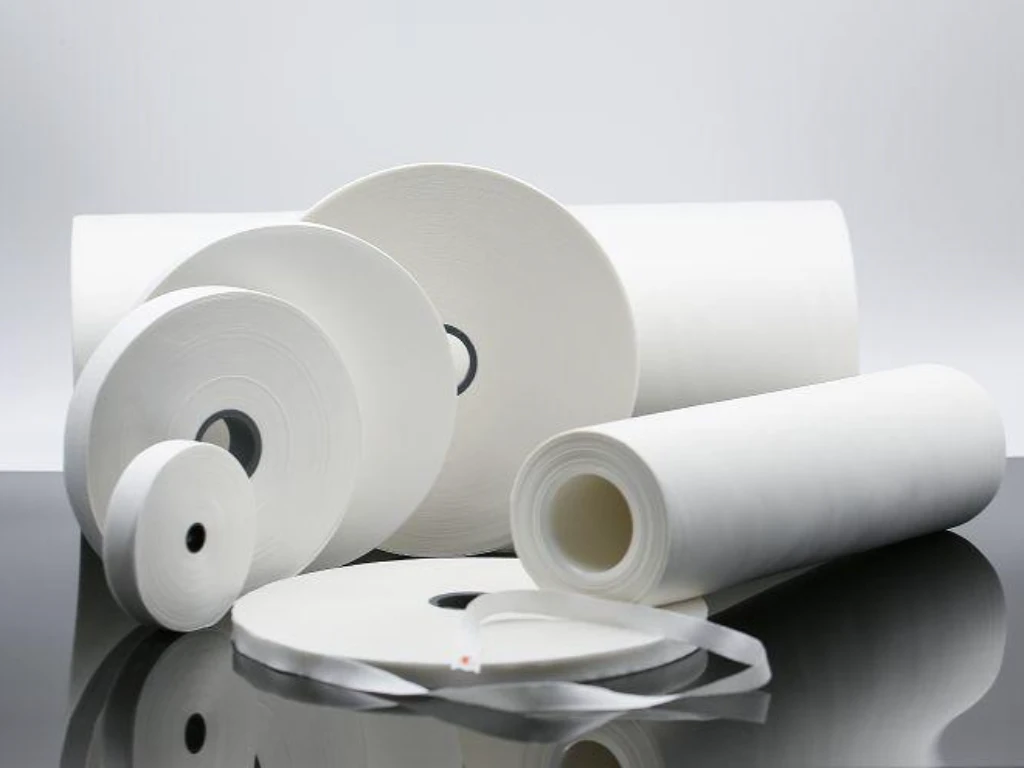
來算算看。未經鍍層處理的碳鋼刀片在乾淨的 PE 薄膜上使用時間約為 20 分鐘。這意味著每班次需更換 24 次。若每次更換需耗時 3 至 5 分鐘——包括停線、更換刀片及重新穿線——您將損失 72 至 120 分鐘的產能。整班次中,近 25% 的時間都耗費在更換刀片上。若將該工位升級為「零摩擦(Z)」塗層刀片,相同工序可連續運行數週而無需更換。雖然單支刀片的成本較高,但經計算後,塗層選項的優勢顯而易見。
刀片材料與塗層 根據加工材料選擇合適的刀刃
刀片性能取決於基材、塗層以及與其接觸的特定薄膜。Cadence, Inc. 所制定的業界標準剃刀式分切指南,提供了一套可進行實用比較之的磨損指數基準(Cadence, Inc., 2024)。
| 刀片材質 | 塗層 | 磨損指數(相較於碳鋼) | 最適合 | 典型使用壽命(潔淨 PE 薄膜) |
|---|---|---|---|---|
| 碳鋼 | 無 | 1× | 低成本、小批量、潔淨的膠片 | 約20分鐘 |
| 不鏽鋼 | 無 | 約 10× | 易受腐蝕影響的環境 | 約 3 至 4 小時 |
| M2 高速鋼 | 陶瓷 (K) | 約 16× | 含有溫和填充劑(CaCOƒ、TiO‚)的薄膜 | 約 2 週 |
| 實心碳化鎢 | 無 | 約 80× | 重型薄膜、磨蝕性/再生塑膠 | 個月 |
| 氧化鋯陶瓷 | 無(自動磨銳) | 約 100× | 高耐磨薄膜,含碳酸鈣填充物 | 個月 |
| 碳化鎢 | 鑽石(Diamaze®) | 約 1,300× | 追求最長使用壽命的應用;極度磨蝕性介質 | 6 12個月 |
塗層賦予其獨特的邏輯。 零摩擦 (Z) 可降低薄型拉伸膜的阻力,是厚度低於 50 ¼m 的聚乙烯(PE)薄膜的首選。 陶瓷 (K) 可處理碳酸鈣和二氧化鈦等研磨性填料。 TiN (T) 氮化鈦,這種金黃色的塗層 適用於一般用途的 PET 和 PE。 全陶瓷 (X) 可防止墨量過多或印刷過度的膠片造成損傷,因為在這種情況下,墨層本身會發揮研磨作用。
實用建議:向刀片供應商索取樣品,並進行計時測試。記錄從開始測試到切口邊緣出現第一道可見毛刺所需的分鐘數。務必量化測量,切勿憑空猜測。一把使用時間為 20 分鐘的 $2 刀片,其每運行小時的成本,比一把使用時間為兩週的 $20 刀片還要高。
刀片設定參數 角度、深度與定位
一把完美的刀刃若位置不當,其切割效果甚至不如一把鈍刀置於正確位置時的表現。
進角。 標準的起始角度是相對於材料平面的 45°。較小的角度(30° 至 40°)會產生更長的切削動作,並將磨損分散到更廣的切削刃範圍,這對於極薄薄膜而言是理想的選擇,因為在這種情況下,盡可能降低拖曳力至關重要。較大的角度(50° 至 60°)則會將力集中於較短的切削刃段,當材料難以切入時,此方法便十分有用。
穿透深度。 計算公式:刀片伸出長度 = 材料厚度 + 50% × 材料厚度。以 50 ¼m 的 PE 為例,刀片將從材料平面伸出 75 ¼m。若切入深度過淺,刀片會跳過網片,導致網片未被切斷;若切入深度過深,刀片則會產生制動作用,增加阻力並可能導致網片斷裂。
溝槽對中。 在「刀片置於槽內」的設置中,刀片尖端必須精確地位於槽的中心線上。若偏離任一側,將產生非對稱的切削力,導致切口線呈現波浪狀——這正是剃刀分切線最常見的品質投訴之一。槽寬應比刀片厚度多出 0.002 英吋至 0.005 英吋。
最後,請觀察 10% 張力法則:在分切區,紙幅張力不應超過材料彈性極限的 10%。一旦超過此閾值,材料會在刀片兩側產生不對稱的拉伸,導致分切品質急遽下降——此原理由大衛·羅伊蘇姆博士在其關於紙幅處理力學的奠基性研究中確立。
05.如何選擇剃刀式分切機:關鍵規格與決策標準
到了這個階段,您應該已經清楚自己的材料適合使用剃刀式分切機。接下來要考慮的問題是:該選擇哪一台機器?
在查閱任何廠商的規格表之前,請先將自身的需求記錄下來。請寫下:(1) 您的生產線所能處理的最大卷材寬度(一般工業範圍:600 至 2,600 毫米),(2) 您的目標生產線速度(100 至 600 公尺/分鐘), (3) 生產所需的最小分切寬度(5 至 50 毫米,視應用而定),(4) 成品捲筒的最大直徑,以及 (5) 您的換線頻率——每日、每週或每班次。
掌握這些數據後,請根據以下檢查清單評估機器:
| 規格 | 該注意哪些事項 | 為何這很重要 |
|---|---|---|
| 最大網頁寬度 | 請配合您最寬的進料捲材尺寸,並預留 10% 的餘量 | 確保投資具有前瞻性;無需為更寬的加工任務另購第二台機器 |
| 最高速度 | 剃鬚系統:300 至 600 公尺/分鐘 | 更高的轉速雖能提升產能,卻會加劇刀片磨損與發熱;關鍵在於取得平衡 |
| Min Slit Width | d10 毫米,適用於大多數薄膜應用 | 更窄的加工能力可支援更多訂單類型;這對標籤與膠帶加工商而言至關重要 |
| 分條精度 | ±0.3 毫米或更精確 | 用以確認成品輥是否符合客戶規格,且無需返工 |
| 放線/收線直徑 | 放捲寬度最高達 ¦1,800 毫米,收捲寬度最高達 ¦1,500 毫米 | 較大的直徑可減少換捲頻率並減少接合廢料 |
| 張力控制 | 配備載重感測器的閉環系統,精度為 ±1N | 在整個寬度範圍內保持切口品質一致的最大關鍵因素 |
| 刀片定位 | 低頻率換模時採用手動操作;高混合生產作業則採用自動/伺服控制 | 在處理多種寬度的作業時,自動定位功能可將設定時間從 30 分鐘縮短至 5 分鐘以內 |
| PLC 與控制系統 | 西門子、安川或台達,配備觸控式人機介面 (HMI) | 決定其易用性、食譜儲存功能及診斷能力 |
| 安全合規 | CE、ISO 12100 或當地等同標準 | 此為不可協商之條款;亦會影響可投保性及營運商的接納程度 |
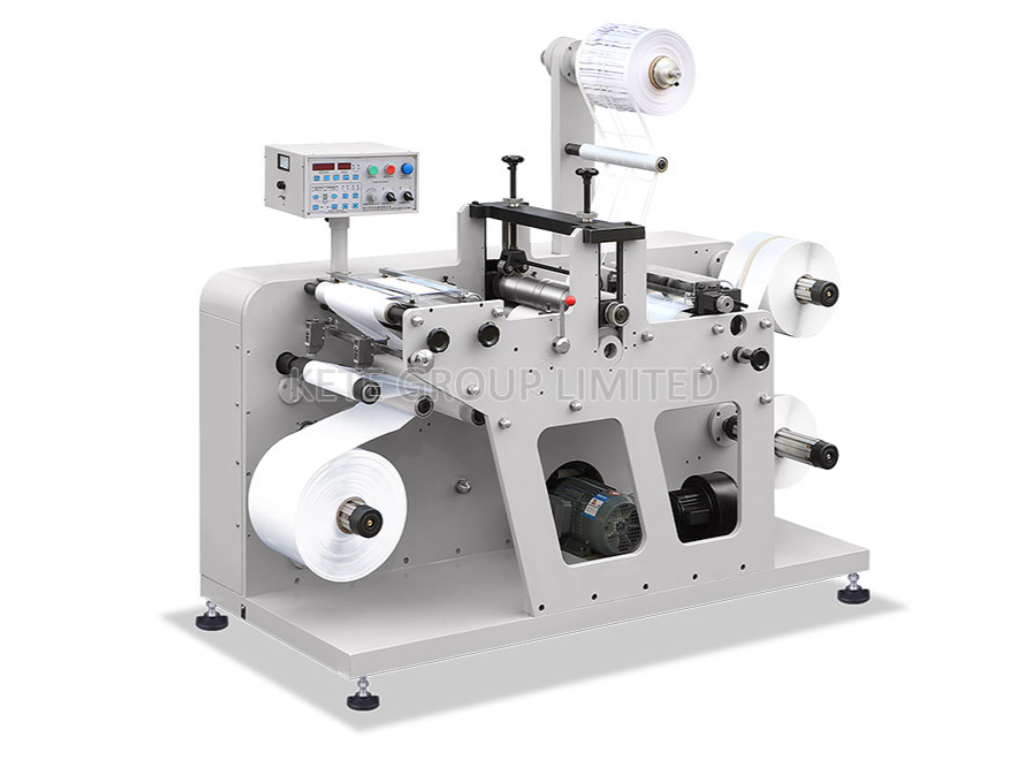
在評估供應商時,請不要僅止於規格表。 舉例來說,像 KETE 這樣的製造商提供涵蓋中心卷繞、表面卷繞及中心-表面卷繞配置的分切機,單一平台即可支援剃刀式、剪切式及壓痕式分切方法,並通過 CE 與 RoHS 認證。其分切生產線可達到 ±0.1 公釐的精度,最小分切寬度低至 5 公釐,且服務範圍遍及全球 80 多個國家,包含現場安裝與培訓。service@ketegroup.com 提供的 1 至 2 年保固與專屬售後支援服務,為「全面的供應商服務方案應包含哪些內容」提供了實用的參考基準。如欲探索其完整產品系列,請造訪 分條機產品線 或檢視他們的 保固與全球服務範圍.
除了規格表之外,有兩項供應商的特質比任何單一數字都更為重要。首先, 試切功能 在您決定採購前,供應商能否先在他們的機器上試切您實際使用的材料?一台能完美分切 BOPP 的機器,可能在處理您特定的 PET 品級時會遇到困難,而唯一的確認方式就是進行測試。其次, 售後服務覆蓋範圍 貴地區的技術支援回應時間是多久?備件能多快送達?一台規格再完美、卻沒有當地維修服務的機器,只會成為負擔,而非資產。
06.常見的剃刀式分切問題及其解決方法
每條剃刀片分切生產線都會出現問題。能持續獲利的生產線與因廢料和停機時間而虧損的生產線之間的差異,在於能否迅速診斷出這些問題。以下列出五個最常見的問題,並附上可能的原因及即時解決方案。
裂口邊緣粗糙或毛邊。 刀片鈍了,或是切入角度過大。請先更換刀片——這是最經濟的解決方式。如果問題在幾分鐘內再次出現,請嘗試採用較小的切入角度(30 至 40°),並確認加工材料中是否含有磨蝕性填料。
沿著切割邊緣將珠子熔化。 摩擦產生的熱量已超過薄膜的軟化點——聚乙烯(PE)約為 120°C,聚丙烯(PP)約為 160°C。首先應將生產線速度降低 10 20%。若要永久解決此問題,請改用「零摩擦」(Z)刀片或聚四氟乙烯(PTFE)塗層刀片,此類刀片在相同速度下產生的熱量較少。
波浪狀或彎曲的縫線。 網幅張力呈非對稱狀態,刀片左右兩側承受的拉力不同。請檢查張力區設定,並確認刀片是否位於其槽道中央。請遵循 10% 張力規則:若總張力超過薄膜彈性極限的 10%,請降低張力並重新測試。
網帶在分切點處斷裂。 這可能是因為刀片厚度對該材料而言過厚(造成過大阻力),或是進料張力過高。請改用最薄的刀片——對於寬度小於 50 ¼m 的薄膜,0.009″(0.23 mm)是個不錯的起點——並逐步降低放捲張力,直到斷裂現象停止為止。
刀片壽命異常短。 您的材料中很可能含有您尚未考慮到的研磨性填料。常見的元兇包括:用作降低成本的填料——碳酸鈣(CaCOƒ)、用以提高白度的二氧化鈦(TiO‚),或是用作防粘連劑的二氧化矽(SiO‚)。請與您的薄膜供應商確認配方,然後根據具體的填料類型,改用相應的陶瓷塗層刀片或實心碳化鎢刀片。
請記錄一份簡單的日誌:日期、材料、刀片類型,以及出現第一個品質缺陷所需的時間(以分鐘為單位)。一個月內,您將累積足夠的數據,據此根據材料優化刀片選型,並有望將耗材支出削減一半,同時減少停機時間。
若您正在為下一條分切線比較供應商,可於以下連結查閱 KETE 完整產品目錄,其中包含規格與應用指南: ketegroup.com.
參考文獻
- Sollex。《剃刀式分切指南:適用於薄膜與箔片的工業剃刀刀片》。2024 年。 https://www.sollex.com/blog/post/razor-slitting-technique-slitter-rewinder
- Cadence, Inc. 《剃刀式分切指南》。2024年。 https://www.cadenceblades.com/
- PFFC Online. 《剪切、剃刀式與壓碎式分切技術的優勢》。 https://www.pffc-online.com/slit/18518-advantages-of-shear-razor-and-crush-web-slitting-techniques
- Catbridge. 《轉化對話:理解剃刀式分切方法》。 https://www.catbridge.com/converting-conversations-understanding-razor-slitting/
- Parkinson Technologies. 《為您的企業選擇合適分切復捲機的終極指南》。 https://parkinsontechnologies.com/blog/the-ultimate-guide-to-choosing-the-right-slitter-rewinder-for-your-business
- KETE GROUP。分切機產品線。 https://www.ketegroup.com/machines/slitting-machines/
- KETE GROUP。《品質與保固》。 https://www.ketegroup.com/quality/
- KETE GROUP。《聯絡我們》。 https://www.ketegroup.com/contact/
- KETE GROUP。首頁。 https://www.ketegroup.com/

