 VN
VN  EN
EN  RU
RU  ES
ES  FR
FR  AR
AR  PT
PT  IT
IT  ID
ID  KO
KO  TR
TR  DE
DE  TH
TH  IN
IN 
Giới thiệu
Độ chính xác không chỉ là mục tiêu trong môi trường phức tạp của ngành gia công công nghiệp, mà còn là yếu tố thiết yếu để đảm bảo tính khả thi. Trước những yêu cầu ngày càng cao về năng suất và sự phức tạp ngày càng tăng của thành phần vật liệu mà các chuỗi cung ứng toàn cầu đòi hỏi, các quy trình gia công cuộn nguyên liệu lớn thành các cuộn nhỏ, sẵn sàng sử dụng đã phải trải qua quá trình phát triển nghiêm ngặt. Cắt rãnh (Score slitting), đôi khi được gọi trong ngành là cắt nghiền (crush slitting), chiếm một vị trí đặc biệt trong danh sách các công nghệ cắt. Kỹ thuật này được định nghĩa bởi tính đơn giản về mặt cơ học và khả năng ứng dụng mạnh mẽ, đồng thời cung cấp một giải pháp trong những trường hợp mà các phương pháp nhạy cảm hơn không thể thực hiện được.
Nghệ thuật tạo rãnh (hay còn gọi là cắt rãnh), thường được thực hiện bằng các loại dao cắt rãnh chuyên dụng, là một khái niệm mà bất kỳ chuyên gia nào trong lĩnh vực sản xuất hiện đại cũng cần phải nắm vững. Đây là sự kết hợp đặc biệt giữa vật lý, luyện kim, các vật liệu nhiều lớp phức tạp và hệ thống điều khiển khí nén. Bài viết này là một phân tích toàn diện về quy trình tạo rãnh, những ưu điểm của nó, cũng như cách thức áp dụng quy trình này một cách chiến lược trong dây chuyền sản xuất.
Phương pháp cắt điểm là gì?
Để xác định ý nghĩa của quá trình cắt rãnh, cần phải gạt bỏ khái niệm truyền thống về việc cắt như thường được hiểu trong bối cảnh dệt may. Trong phần lớn các quy trình cắt, lưỡi dao được đưa qua vật liệu nền, và sự tách rời được hình thành nhờ ma sát và lực cắt. Tuy nhiên, cắt rạch hoạt động dựa trên nguyên tắc nén quan trọng. Đây là một kiểu cắt nghiền, trong đó một lưỡi dao tròn, có bán kính được ép với lực khí nén đáng kể lên một trục lăn đe cứng. Vật liệu về cơ bản bị nghiền nát hoặc kẹp dọc theo một đường cụ thể khi vật liệu được đẩy giữa lưỡi dao quay và bề mặt cứng của đe.
Quá trình này về cơ bản là một quá trình tách vật liệu dựa trên ứng suất cục bộ. Khác với phương pháp cắt xén bằng lực cắt ngang, nơi dao cắt nam và dao cắt nữ phải được căn chỉnh theo cách phức tạp, phương pháp cắt xén bằng vết rạch chỉ sử dụng một cụm lưỡi dao duy nhất. Lưỡi dao không sắc như dao cạo; nó có một góc nghiêng và bán kính nhất định nhằm tập trung áp lực vào một vùng cực nhỏ. Vì quá trình tách rời diễn ra thông qua nén, sự tiếp xúc vật lý giữa dụng cụ và vật liệu diễn ra ngắn và mạnh mẽ, do đó, phương pháp này rất hiệu quả với các vật liệu dễ bị sờn hoặc có các đặc tính khác biệt, chẳng hạn như đặc tính bám dính mạnh có thể làm bẩn lưỡi dao trượt thông thường.
Quy trình cắt điểm hoạt động như thế nào
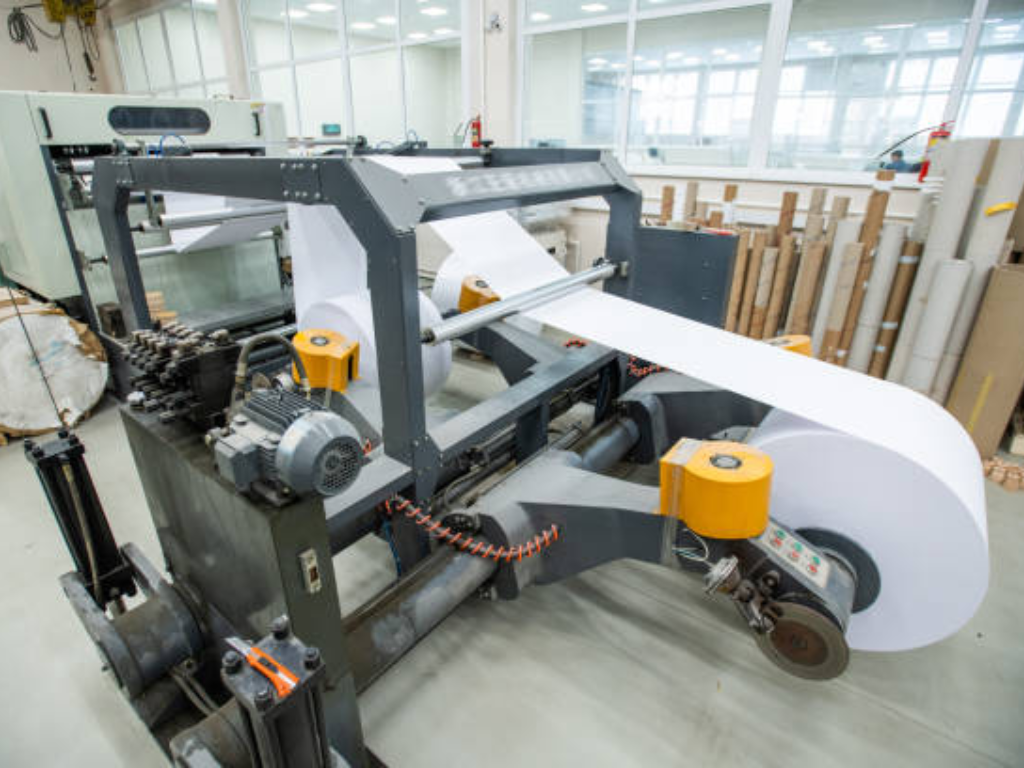
Sự phức tạp về mặt kỹ thuật của quy trình cắt rãnh bằng dao rạch bị lu mờ bởi vẻ thanh thoát cơ học của quy trình cắt bằng lưỡi dao nghiền. Để có được đường cắt gọn gàng mà không làm hỏng trục lăn đế bên dưới hay làm lưỡi dao cùn sớm, cần phải đồng bộ hóa hoàn hảo nhiều yếu tố khác nhau. Đó chính là nhịp đập của nhà máy sản xuất, một nhịp đập đều đặn và đơn điệu của sức mạnh cơ học, tạo ra lực ép tròn đều lên hàng dặm vật liệu.
Vai trò của áp suất khí nén và độ cứng của đe
Hiệu quả của quá trình cắt rạch chủ yếu phụ thuộc vào hai yếu tố: lực tác động lên lưỡi dao và lực cản từ đế dao. Công nghệ này hoạt động nhờ áp suất khí nén. Máy cuộn cắt chuyên nghiệp có các xi lanh khí nén trong giá đỡ lưỡi dao, cho phép điều chỉnh lực ép xuống theo từng bước nhỏ, và lực này có thể thuộc nhiều loại khác nhau. Lực này phải đủ mạnh để cắt xuyên qua vật liệu cần cắt, nhưng cũng phải đủ tinh tế để tránh chạm đáy với lực quá mạnh khiến mép lưỡi dao bị hỏng.
Góc cắt nằm trên trục lăn đe, bề mặt thực hiện quá trình cắt, đây là nền tảng vững chắc cho toàn bộ quy trình. Đây không chỉ là một trục lăn hỗ trợ mà là một bộ phận được chế tạo chính xác, thường được làm từ thép cacbon cao và được tôi cứng đến mức 60-65 HRC (thang đo Rockwell C). Mức độ cứng cao này là cần thiết vì trục đe phải cứng hơn nhiều so với dao cắt nghiền và chính lưỡi cắt. Nếu trục đe mềm, lưỡi dao sẽ dần dần bị biến dạng hoặc tạo ra các rãnh trên bề mặt, dẫn đến các vết cắt không đều và hỏng hóc cơ học. Sự tương quan giữa lực khí nén và độ bền kim loại chính là cốt lõi của tính toàn vẹn cơ học trong quá trình cắt rãnh.
Đường đi của vật liệu và cơ chế tiếp xúc của lưỡi dao
Vật liệu nền được duy trì ở trạng thái căng đều khi đi qua máy cắt cuộn lại — một yêu cầu rất quan trọng đối với bất kỳ quy trình cắt cuộn nào thành công liên quan đến các vật liệu nhiều lớp phức tạp. Dải vật liệu đi qua trục lăn đế, và các lưỡi cắt rãnh được kích hoạt. Cơ chế tiếp xúc trong trường hợp này rất thú vị: lưỡi dao quay tự do, nhờ ma sát giữa vật liệu đang di chuyển và trục lăn đế. Trong cấu hình cắt rãnh điển hình, các lưỡi dao không có động cơ độc lập, mà phụ thuộc vào tốc độ cuộn vật liệu.
Hình dạng mép lưỡi dao và cấu trúc hình học của lưỡi dao là yếu tố then chốt. Các loại vật liệu khác nhau có các góc vát khác nhau – thường là 30, 45 hoặc 60 độ. Góc nhỏ hơn tạo ra lực kẹp sắc nét hơn đối với vật liệu mỏng, trong khi vật liệu dày hơn có thể cần bán kính mép lưỡi lớn hơn. Điều quan trọng là phải có bán kính lưỡi cắt phù hợp; bán kính cắt phải phù hợp với vật liệu để tránh tạo ra quá nhiều bụi. Áp lực mạnh khiến các sợi vật liệu hoặc chuỗi polymer uốn cong, dẫn đến sự tách rời gọn gàng theo hướng lưỡi dao với độ chính xác ấn tượng.
Cắt rãnh so với cắt bằng dao cắt và dao cạo: Phân tích so sánh
Để đánh giá đúng thời điểm nào việc cắt dọc là phương án tối ưu nhất trong quá trình gia công vật liệu dẻo, cần phải so sánh phương pháp này với các phương pháp cạnh tranh chính: cắt bằng dao cắt và cắt bằng dao cạo, đặc biệt là về chất lượng mép cắt. Mỗi phương pháp đều có điểm mạnh riêng trong hệ sinh thái sản xuất.
Kỹ thuật đơn giản nhất có lẽ là cắt bằng dao cạo, bao gồm một lưỡi dao cố định cắt xuyên qua vật liệu với độ chính xác như phẫu thuật, mang lại hiệu quả tuyệt vời cho các ứng dụng với vật liệu mỏng. Phương pháp này phù hợp nhất với các loại màng mỏng, không có tính mài mòn. Tuy nhiên, lưỡi dao cạo tạo ra rất nhiều nhiệt và dễ bị dính keo. Hơn nữa, chúng không thể được sử dụng trên các vật liệu composite dày hoặc cứng, vì lưỡi dao sẽ bị uốn cong hoặc gãy.
Cắt bằng lực cắtNgược lại, phương pháp này giống như chuyển động của một chiếc kéo. Nó bao gồm hai lưỡi dao quay, một lưỡi dao nam ở trên và một lưỡi dao nữ ở dưới, gặp nhau tại một điểm nhất định. Cắt bằng lưỡi dao là phương pháp tạo ra mép cắt đẹp nhất với lượng bụi ít nhất và được sử dụng trong ngành giấy và màng cao cấp. Tuy nhiên, để đạt được kết quả tốt nhất và hiệu quả cao nhất, quy trình này nổi tiếng là tốn rất nhiều thời gian. Việc căn chỉnh các lưỡi dao là một quy trình đòi hỏi kỹ năng cao và tốn nhiều thời gian, điều này có thể trở thành điểm nghẽn trong các môi trường sản xuất đa dạng.
Cắt rãnh nằm ở giữa hai phương pháp này. Mặc dù chất lượng mép cắt không nhất thiết phải tốt bằng so với phương pháp cắt bằng dao cắt, nhưng phương pháp này linh hoạt hơn và thiết lập nhanh hơn, đặc biệt là ở tốc độ cao. Khác với cắt bằng dao cắt, trong đó vị trí cắt được điều chỉnh bằng cách di chuyển hai lưỡi dao với độ chính xác micromet, cắt rạch chỉ yêu cầu di chuyển giá đỡ lưỡi dao trên. Đây chính là lý do khiến phương pháp này trở thành lựa chọn tối ưu cho các quy trình cần thay đổi thường xuyên hoặc khi xử lý các vật liệu có thể làm hỏng lưỡi dao cạo hoặc gây ô nhiễm bộ phận cắt bằng dao cắt.
| Tính năng | Cắt rãnh (Cắt nghiền) | Cắt xén | Cắt dao cạo |
| Nguyên lý hoạt động | Nén cục bộ | Lực cắt dạng kéo | Cắt bằng ma sát |
| Tốc độ cài đặt | Nhanh nhất (Điều chỉnh lưỡi dao đơn) | Chậm (Cân bằng nam/nữ kép) | Vừa phải |
| Sự hình thành bụi | Từ trung bình đến cao (tùy thuộc vào vật liệu) | Tối giản / Sạch sẽ nhất | Vừa phải |
| Tính phù hợp của vật liệu | Vật liệu mài mòn, Vật liệu dính nhạy áp (PSA), Vải không dệt, Mút xốp | Giấy, màng cao cấp, lá kim loại | Màng mỏng, không gây mài mòn |
| Tuổi thọ lưỡi dao | Trung bình (Tùy thuộc vào độ cứng của đe) | Cao | Thấp (Lưỡi dao dùng một lần) |
| Chi phí ban đầu | Vừa phải | Cao | Thấp nhất |
Các ứng dụng phổ biến: Khi nào nên chọn phương pháp cắt theo vạch
Phương pháp cắt rãnh được ứng dụng trong các lĩnh vực công nghiệp, nơi đặc trưng bởi những đặc tính riêng biệt của vật liệu được gia công, mang lại kết quả với lượng phế liệu tối thiểu. Đây là phương pháp hàng đầu không thể phủ nhận trong việc gia công các vật liệu cứng, đặc biệt là trong việc định vị lưỡi dao tự động.
Chất kết dính nhạy áp (PSA): Đây có lẽ là ứng dụng phổ biến nhất. Kỹ thuật cắt bằng lưỡi dao cạo thông thường, vốn vẫn nằm trong vết cắt khi cắt băng dính hoặc nhãn, rất dễ bám dính các cặn keo. Do lưỡi dao cắt liên tục quay và chỉ kẹp vật liệu vào trục lăn, nên khả năng tích tụ keo sẽ ít hơn.
Vải không dệt và dệt may: Khẩu trang y tế, bộ lọc và các sản phẩm vệ sinh thường được làm từ các sợi có độ liên kết lỏng lẻo. Phương pháp cắt rạch (score slitting) giúp cố định mép vải bằng cách cắt xuyên qua các sợi, nén chúng lại với nhau, từ đó ngăn ngừa hiện tượng sờn rách ở một số loại vật liệu tổng hợp, mang lại đường cắt gọn gàng hơn.
Giấy nhám và vật liệu mài mòn: Nếu cố gắng cắt giấy nhám bằng dao cắt, lưỡi dao sẽ bị hỏng chỉ sau vài phút. Nhờ áp dụng lực nén mạnh, phương pháp cắt rạch bằng lưỡi dao được làm cứng từ thép chịu lực cao có thể chống lại tính mài mòn của các vật liệu mài mòn này.
Bọt xốp và vải nỉ: Đây là những chất liệu dày, có thể nén được và khó cắt. Kỹ thuật cắt rạch giúp lưỡi dao xuyên qua vật liệu và tiếp xúc với đế cắt, từ đó tạo ra vết cắt hoàn toàn ngay cả khi vật liệu có mật độ khác nhau.
Ngành công nghiệp pin: Ngành công nghiệp pin phụ thuộc vào quá trình cắt rạch vật liệu điện cực với sự xuất hiện của xe điện. Những tấm lá mỏng manh này đòi hỏi quá trình tách rời ổn định, không gây xé rách, điều mà chỉ có thể đạt được nhờ hệ thống cắt rạch được hiệu chỉnh cẩn thận.
Giải quyết các thách thức thường gặp và các mẹo khắc phục sự cố
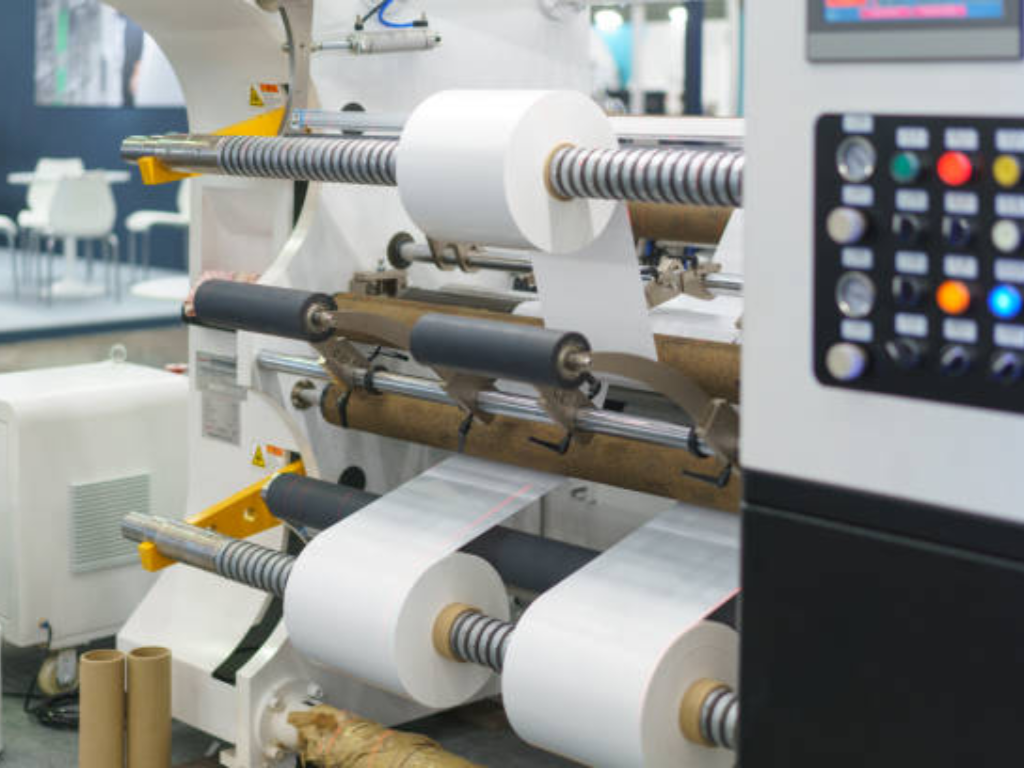
Mặc dù rất hiệu quả, phương pháp cắt theo điểm số vẫn không tránh khỏi những thách thức. Phàn nàn phổ biến nhất là việc phát sinh bụi hoặc các hạt mịn. Do vật liệu được nghiền nát, xé nhỏ và nghiền nát thay vì cắt lát, các hạt nhỏ có thể bị di chuyển trong quá trình tách, dẫn đến lượng bụi sinh ra ít hơn đáng kể. Hiện tượng này đặc biệt phổ biến đối với các chất nền làm từ giấy. Để khắc phục điều này, người vận hành cần đảm bảo trục đè phải hoàn toàn sạch sẽ và bán kính lưỡi dao phù hợp với độ dày của vật liệu.
Một vấn đề khác là hiện tượng mẻ lưỡi dao. Tình trạng này thường xảy ra khi áp suất khí nén quá cao hoặc khi trục đe bị trầy xước hoặc có khuyết tật. Khi lưỡi dao va chạm vào một vết rãnh siêu nhỏ trên trục đe, áp suất dư thừa và ứng suất ngang phát sinh sau đó có thể dẫn đến hư hỏng mép lưỡi. Việc kiểm tra thường xuyên trục đe và áp dụng hệ thống bôi trơn (còn gọi là hệ thống thấm dầu), trong đó một lớp dầu siêu mỏng được phủ lên lưỡi dao, có thể giúp kéo dài đáng kể tuổi thọ của dụng cụ và nâng cao chất lượng cắt.
Hơn nữa, sự không đồng đều trong đường cắt thường là do việc điều chỉnh lực căng không phù hợp ngay trên chính máy cắt cuộn. Khi tấm vải được tự do bay phấp phới hoặc khi lực căng quá thấp, vải sẽ có xu hướng dịch chuyển sang hai bên do áp lực từ lưỡi dao và góc nghiêng của lưỡi dao, dẫn đến mép vải bị lởm chởm hoặc lệch lạc. Giải pháp không chỉ nằm ở lưỡi dao, mà còn ở độ ổn định cơ học của toàn bộ máy.
Nâng cao độ chính xác: Tại sao các giải pháp cắt theo điểm số của KETE lại nổi bật
Trong bối cảnh cạnh tranh khốc liệt của ngành sản xuất công nghiệp, KETE nổi bật nhờ coi việc cắt dọc cuộn giấy là một thách thức kỹ thuật cốt lõi chứ không chỉ là một tính năng phụ. Dựa trên kinh nghiệm thực tiễn, chúng tôi tích hợp các hệ thống này trực tiếp vào cấu trúc chính của máy cắt và cuộn lại, đảm bảo khả năng giảm chấn tối đa và độ cứng vững của kết cấu.
Điểm nổi bật của KETE là tính ổn định trong vận hành, với cam kết mang lại mức độ ổn định cao nhất. Các bộ giữ dao khí nén của chúng tôi sử dụng bộ điều chỉnh áp suất chính xác cao để loại bỏ hiện tượng dao động áp suất — nguyên nhân chính dẫn đến chất lượng đường cắt không đồng đều và lãng phí nguyên liệu trong quá trình vận hành tốc độ cao. Tính toàn vẹn cơ học này đảm bảo rằng, dù bạn đang gia công vải không dệt y tế nhạy cảm hay các loại vật liệu khác, bạn vẫn đạt được độ lặp lại ổn định và giảm thiểu tối đa việc làm lại, từ đó rút ngắn đáng kể thời gian thiết lập.
Lựa chọn KETE đồng nghĩa với việc bạn có được một đối tác luôn đồng hành cùng mục tiêu mở rộng quy mô của bạn. Chúng tôi thu hẹp khoảng cách giữa lý thuyết về lực cơ học và thực tiễn sản xuất hiệu quả cao, cung cấp các thiết bị tiên tiến giúp giảm thiểu thời gian ngừng hoạt động và tiết kiệm chi phí vận hành. Đội ngũ chuyên gia của chúng tôi sẵn sàng kết hợp công nghệ tiên tiến với các mục tiêu sản xuất cụ thể của bạn, đảm bảo khoản đầu tư của bạn mang lại thành công bền vững. Nâng tầm hoạt động sản xuất của bạn cùng đối tác thấu hiểu giá trị của sự chính xác. Hãy liên hệ với KETE ngay hôm nay để nhận tư vấn cá nhân hóa.
Các yếu tố quan trọng để lựa chọn máy cắt cuộn phù hợp
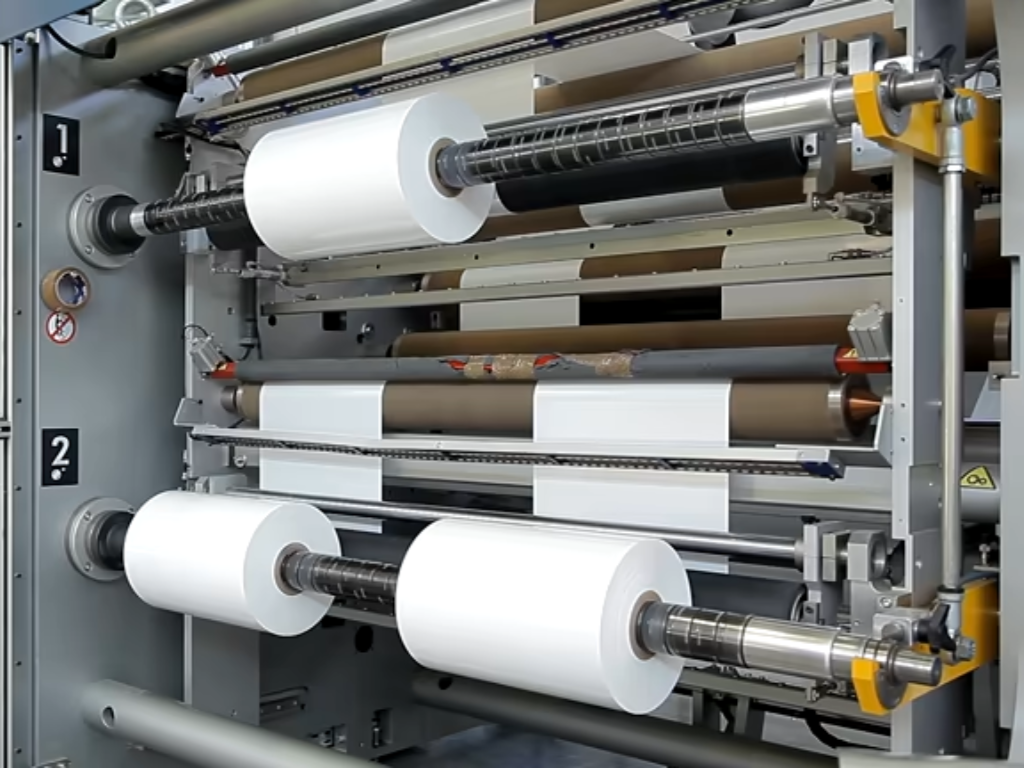
Khi đầu tư vào một máy cắt và cuộn lại mới có các tính năng cắt theo vạch chuẩn, cần xem xét một số yêu cầu kỹ thuật để đảm bảo lợi nhuận trên vốn đầu tư (ROI) lâu dài với lượng phế liệu ở mức tối thiểu.
Trước hết, chiều rộng khe hở tối thiểu. Các giá đỡ cắt rãnh có kích thước khá rộng; khi quá trình sản xuất của bạn cần các cuộn giấy rất hẹp, bạn cần đảm bảo rằng thanh dao của máy có thể lắp được các giá đỡ xếp so le hoặc được thiết kế với cấu trúc thấp.
Thứ hai, phân tích hệ thống điều khiển độ căng. Như đã đề cập ở trên, độ ổn định của dây chuyền là yếu tố cực kỳ quan trọng trong quá trình cắt rãnh. Một máy được trang bị hệ thống điều khiển độ căng vòng kín và phản hồi từ cảm biến lực sẽ luôn cho ra kết quả cắt rãnh tốt hơn so với hệ thống thủ công đơn giản.
Thứ ba, đánh giá mức độ dễ dàng khi chuyển đổi. Lý do chính khiến phương pháp rạch đường kẻ được lựa chọn là vì nó nhanh chóng. Hãy tìm những máy có bộ giữ lưỡi dao khóa nhanh hoặc trượt dễ dàng để tránh sai số tích lũy. Khi người vận hành phải mất nửa giờ để thay lưỡi dao bằng cờ lê lục giác, lợi thế vốn có của phương pháp rạch đường kẻ sẽ bị mất đi.
Cuối cùng là vấn đề về kim loại học của các vật tư tiêu hao. Hãy đảm bảo rằng nhà sản xuất cung cấp hoặc bảo dưỡng các lưỡi dao tròn làm từ thép công cụ D2 hoặc M2 có chất lượng tốt. Yếu tố quan trọng nhất trong nhà máy của quý vị là sự tương tác giữa lưỡi dao và đế dao; một mép cắt yếu sẽ dẫn đến lượng bụi nhiều hơn và phải thay thế thường xuyên hơn.
Phần kết luận
Có lý do khiến công nghệ cắt rãnh (score slitting) trở thành nền tảng của ngành chế biến giấy: nó phát huy hiệu quả ở những nơi các phương pháp khác thất bại, đồng thời mang lại hiệu suất cao và kết quả ổn định. Việc phương pháp này có thể hoạt động với các vật liệu khó xử lý như chất kết dính và chất mài mòn, cùng với sự dễ lắp đặt đã trở thành huyền thoại, khiến nó trở thành công cụ không thể thiếu trong bất kỳ cơ sở sản xuất đa năng nào. Khi nắm được sự cân bằng giữa áp suất khí nén, độ cứng của đe và hình dạng của lưỡi dao, các nhà sản xuất có thể mở ra cánh cửa dẫn đến hiệu quả mới, ngay cả khi quá trình này đòi hỏi sức mạnh cơ bắp. Sự kết hợp giữa công nghệ tiên tiến này với máy móc có độ chính xác cao chính là chìa khóa thành công như chúng ta đã thảo luận. Tại KETE, chúng tôi quyết tâm hoàn thiện sự kết hợp này, mang lại sự ổn định và sự hoàn hảo về kỹ thuật, điều cần thiết để biến một quá trình cắt đơn thuần thành kiệt tác của độ chính xác công nghiệp. Nếu quý vị cần thêm kiến thức kỹ thuật hoặc phân tích tùy chỉnh về yêu cầu vật liệu, các kỹ sư của KETE sẽ sẵn lòng hỗ trợ quý vị tối ưu hóa quy trình cắt của mình.


