 TR
TR  EN
EN  RU
RU  ES
ES  FR
FR  AR
AR  PT
PT  IT
IT  ID
ID  KO
KO  DE
DE  VN
VN  TH
TH  IN
IN 
Giriş
Dönüştürme sektörü, sıklıkla ihmal edilmesine rağmen modern sanayi çağında küresel tedarik zincirinin merkezinde yer almaktadır. Büyük bir rulo malzemenin baskı dahil çeşitli uygulamalar için küçük, kullanışlı formlara dönüştürülmesi ana süreçtir. Rulo dilme makinesi, bu üretim sürecinin çekirdeğini oluşturur ve büyük miktarlarda malzeme üretmeye yönelik ekonomik ihtiyacı, son kullanıcı uygulamalarının ihtiyaç duyduğu küçük hassasiyetle dengeleyen karmaşık bir mühendislik cihazıdır.
2026'da devam eden ilerlemeyle birlikte, daha ince alt tabakalara ve daha yüksek verimliliğe sahip olma ihtiyacı, kesici sarıcıyı sadece bir kesme aleti değil, aynı zamanda yüksek kaliteli bir analitik araç olarak kritik bir ekipman parçası haline getirmiştir. Bu kılavuz, rulo kesici teknolojisinin karmaşık arazisinde gezinmek için gerekli olan teknik özellikleri ve stratejik yönleri özetlemektedir.
Rulo Dilme Makinesi Nedir
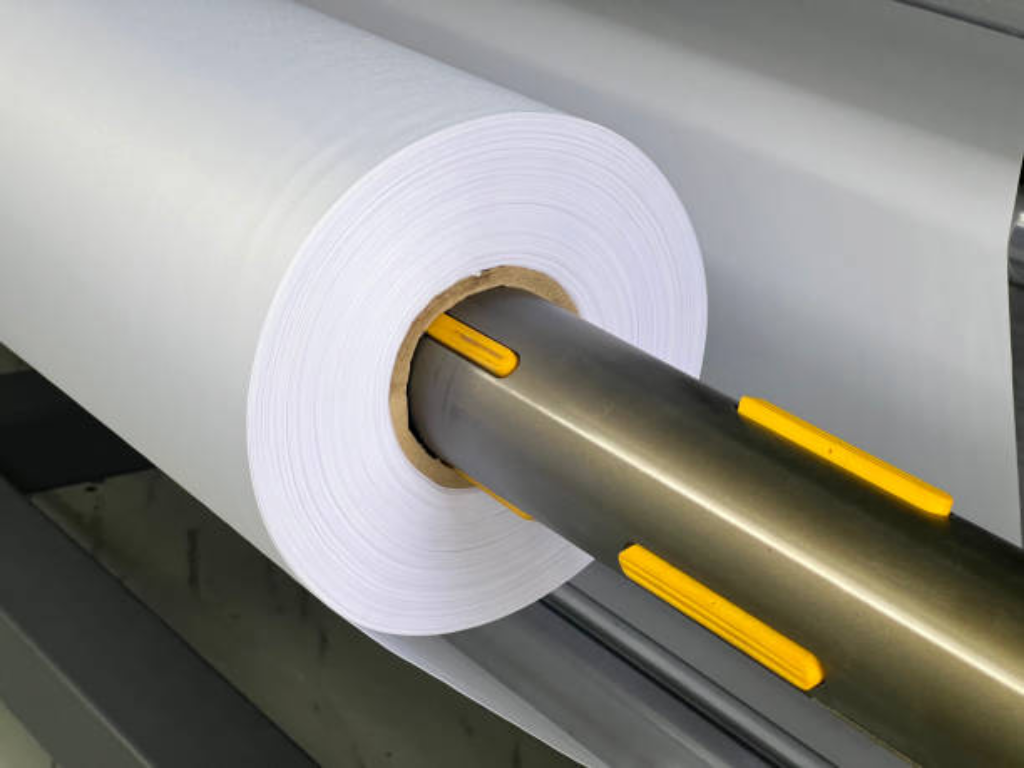
Rulo dilme makinesinin tanımı mekanik tork, sürtünme fiziği ve elektronik kontrolün birleşimidir. Üretim terminolojisinde, büyük, geniş bir malzeme rulosunu (genellikle ana veya ana rulo olarak adlandırılır) birden fazla, daha dar rulolara kesmek için kullanılan hızlı bir makinedir. Buna dilme denir ve büyük malzeme rulolarının çözülmesi, bir dizi bıçaktan geçirilmesi ve minimum bozulma sağlanarak yeni maçalara yeniden sarılmasıyla yapılır.
Ancak makine bir bölücüden çok daha fazlasıdır. Bir denge yönetim sistemidir. Çift eksenli polipropilen (BOPP) veya alüminyum folyo gibi bir malzeme çözüldüğünde, iç gerilmelere ve yüzey düzensizliklerine sahiptir. Benzer şekilde, dokuma olmayan kumaşlar, gerilim dikkatlice ayarlanmadığı sürece yapısal deformasyona karşı oldukça savunmasız olan lifli, sıklıkla gözenekli bir yapıya sahiptir. Profesyonel bir dilme makinesi, tutarlılık ve tülbent bütünlüğünden ödün vermeden bu değişkenleri azaltmalıdır. Rulo dilme makinesi, metaforik olarak, yığın üretimin kaba dilini tüketiciye hazır spesifikasyonların tam lehçesine dönüştüren bir çevirmendir. Malzemenin genişliğinin, kenarlarının düzgünlüğünün ve sarımının gerginliğinin, yüksek hızlı etiketleme veya otomatik farmasötik ambalajlama gibi modern sonraki süreçlerin katı gereksinimlerine uygun olmasını sağlayan son kalite bekçisidir.
Rulo dilme makinesi, tüm manuel tezgah üstü makinelerin yanı sıra devasa tam otomatik taret sarıcıları da içeren genel bir terimdir. Ölçek farklı olsa da, temel amaç aynıdır: alt tabakanın temiz bir şekilde ayrılmasını sağlamak ve fiziksel özelliklerini korumak. Malzeme maliyetlerinin öngörülemez olduğu ve sürdürülebilirlik gereksinimlerinin çok az israf gerektirdiği bir dünyada, dilme makinesinin hassasiyeti bir fabrikanın genel ekipman performansında (OEE) önemli bir faktör haline gelmiştir.
Rulo Dilme Makinesi Nasıl Çalışır?
Bir rulo dilme makinesinin çalışma döngüsü, temel güvenlik önlemlerini uygularken rulo malzemeyi verimli bir şekilde kesmek için gerekli olan gerginlik kontrolü ve doğrusal hareketin koreografisi görevidir. Analitik olarak üç kritik alana ayrılır: Açma, Dilme ve Geri Sarma.
Gevşeme Bölgesi: Kontrolün Kökeni
Yolculuk, ana rulonun bağlandığı çözme standı ile başlar. Bu durumda temel sorun atalet yönetimidir. Rulo frenlenmeli veya geri gerilim vermek için dönerken ruloya rejeneratif bir motor tahriki uygulanmalıdır. Bu sabit bir gerilim değildir; daha küçük bir rulo çapı ile gerilimi sabit tutmak için gereken tork da daha küçüktür. Modern makinelerde, rulo çapını gerçek zamanlı olarak ölçmek için ultrasonik veya lazer sensörler kullanılır ve bu bilgi, fren veya motor çıkışını milisaniye hassasiyetiyle kontrol eden bir Programlanabilir Mantık Denetleyicisine (PLC) beslenir.
Dilme Bölgesi: Hassas Arayüz
Malzeme çözüldükten sonra, tülbenti düzleştirmek ve kırışıklıkları gidermek için kullanılan bir dizi avara silindirinden geçer ve ardından dilme istasyonuna gönderilir. Bu, malzemenin asıl ayrılmasının gerçekleştiği çalışma bölgesidir. Tülbent bu bölgeye dilme bıçaklarına dik açıyla girmelidir. "Tülbent yolunda" hafif bir sapma eğrilmeye neden olabilir ve bu da boyutsal olarak hatalı rulolara neden olur. Bu bölgeye sıklıkla bir tülbent yönlendirme sistemi dahil edilir ve bu sistem malzemenin kenarını algılamak için optik sensörler kullanır ve herhangi bir sapmayı düzeltmek için çözme standını yanal olarak hareket ettirir.
Geri Sarma Bölgesi: Son Yakınsama
Malzeme şeritler halinde kesildikten sonra, sarım istasyonu geri sarma millerine kanalize edilir. Bu, belki de teknik açıdan en zor aşamadır. Makine aynı şaft (veya iki şaft) üzerinde birkaç ince rulo sarabilmelidir. Hiçbir ana rulonun kalınlığı genişliği boyunca tamamen aynı olmadığından, diğerlerinden biraz daha kalın olan yarık şeritler olacaktır. Daha kalın rulolar, normal bir şaft üzerindeki daha ince olanlardan daha sıkı sarılacaktır. Bu sorunu çözmek için, üst düzey makineler ya diferansiyel geri sarma şaftları ya da her bir göbeğin farklı bir oranda hafifçe kayabildiği kayma şaftları kullanır, böylece tüm bitmiş rulolar (kalınlıklarında küçük farklılıklar olan) aynı yoğunluğa sarılabilir.
Başlıca Rulo Dilme Makinesi Çeşitleri
Bu makineler temel olarak kullanılan kesme yöntemine göre sınıflandırılır. Her bir işlem, alt tabakanın fiziksel özelliklerine - kesme mukavemeti, esnekliği ve aşındırıcılığına - özel bir tepkidir.
Jiletli Dilme Makineleri
Ekonomik olarak en uygun ve mekanik olarak en kolay teknik jiletle kesmedir. Sabit bir bıçağın, genellikle normal endüstriyel azor bıçaklarının, hareketli ağ yönünde yerleştirilmesini gerektirir.
Süreç: Bıçak, havada (desteksiz) veya oluk içinde (oluklu bir rulo tarafından desteklenen) kesecek şekilde yapılandırılabilir.
Uygunluk: PET veya BOPP gibi ince, aşındırıcı olmayan plastik filmlerin tercihidir.
Teknik Kısıtlama: Bıçak sabit olduğu için çok fazla sürtünme ısısı üretir. Sert malzemeler veya daha ağır folyolar üzerinde kullanıldığında, jilet neredeyse anında körelir ve kenar boncuklarına veya mikroskobik yıpranmaya neden olur. Bu nedenle jiletle dilme genellikle bıçak başına maliyetin önemli olduğu hafif ölçülerin dönüştürülmesinde kullanılır.
Makaslı Dilme Makineleri
Makas benzeri malzeme ayırma yöntemi kesme dilme olarak bilinir ve genellikle yüksek hassasiyetli uygulamaların altın standardı olarak kabul edilir. İki döner bıçak, bir üst erkek bıçak ve bir alt dişi bıçak (veya örs) kullanır.
Süreç: İki bıçak belirli bir eğim açısında buluşur. Malzeme kesişme noktasından geçerken kesilir. Bu teknik, malzeme boyunca çekilen bir bıçak kullanmadığı, bunun yerine mekanik kesme kullandığı için en temiz kenar kalitesini sunar.
Uygunluk: Kağıt, ağır laminatlar, folyolar ve daha kalın plastik levhalar için gereklidir.
Fayda: Diğer işlemlere kıyasla çok az toz üretir, bu da gıda ve tıbbi ambalaj alanlarında önemlidir. Kenar bütünlüğü kaybı olmadan çok yüksek hızlara (genellikle 600 m/dak'dan fazla) ulaşabilir.
Çentik/ Ezme Dilme Makineleri
Çentikli dilme (ezerek dilme olarak da bilinir), pnömatik bir pres aracılığıyla sertleştirilmiş bir örs merdanesine bastırılan dairesel, radyal bir bıçak kullanır.
Süreç: Bıçak, kelimenin geleneksel anlamıyla kesmez, bunun yerine malzemeyi ayırmak için ezer veya yerinden oynatır.
Uygunluk: Bu, basınca duyarlı yapıştırıcıların (bantlar), dokumasız kumaşların ve bazı köpükler gibi yumuşak malzemelerin ana tekniğidir.
Profesyonel: Kurulum hızında en iyi kullanıma sahiptir. Üst ve alt bıçakların dikkatlice hizalanması gereken kesme dilme işleminin aksine, çentik bıçakları saniyeler içinde örs merdanesi boyunca yanlara kaydırılabilir. Yüksek sıklıkta sipariş değişiklikleri olan dönüştürücülerde, kurulumda tasarruf edilen zaman, marjinal olarak azalan kenar kalitesini kolayca telafi edebilir.
Rulo Dilme Makineleri için Yaygın Endüstri Uygulamaları
Rulo dilme makinesi, çok yönlülüğü nedeniyle çağdaş endüstriyel üretimde çok önemli bir ekipman parçasıdır. Tüketim mallarından yüksek teknolojili enerji çözümlerine kadar birçok alanda kullanılmaktadır.
Esnek Ambalaj: Bu, dilme teknolojisinin en büyük alanıdır. Atıştırmalıklarda, dondurulmuş gıdalarda ve içeceklerde kullanılan çok katmanlı laminatların (plastik/folyo/kağıt) dönüştürülmesini gerektirir. Makine, son derece farklı esnekliklere sahip malzemelerle uğraşmak ve yine de son rulonun estetik değerini yüksek tutmak zorundadır.
Dokumasız Tekstiller: Spunbond ve meltblown kumaşlar, çevre dostu alışveriş torbaları ve endüstriyel filtreler gibi ürünler üretmek için işlenir. Dünyanın plastik yasaklı hale gelmesiyle birlikte, dilme makineleri çanta sapları ve gövde panelleri için doğru genişliği sunabilmelidir. Dokumasız kumaşlar lifli olduğundan ve yüksek ilmekli olabileceğinden, makine tiftiklenmeyi veya yapısal yıpranmayı önlemek için temiz bir kesim sağlamalı ve malzemenin dokusunu deforme etmekten kaçınmak için hassas gerginlik seviyeleri korunmalıdır.
Tıbbi ve Farmasötik: İlaç içeren folyo blister ambalajlar, cerrahi maske ve önlüklerin dokunmamış kumaşlarına kesildiğinden, aşağı akış steril üretimine gerekli boyutu vermek için dilme makinelerine ihtiyaç vardır.
Yapışkan Bantlar ve Etiketler: İster endüstriyel sınıf koli bandı ister şarap şişesi üzerindeki etiketler olsun, bu ürünlerin yapışkanın akmaması veya işlem sırasında bıçakları tıkamaması için çentiklenmesi veya kesilmesi gerekir.
Elektronik: LCD/OLED ekranlar ve esnek baskılı devreler (FPC'ler), kırılgan elektronik kaplamaları korumak için çapaksız kenarlar ve sıfır gerilimli dalgalanma sarımı gerektiren özel filmlerle yapılır.
Yenilenebilir Enerji (Elektrikli Araç Bataryaları): 2026'da büyümenin kilit alanlarından biri, batarya ayırıcı filmlerin ve bakır/alüminyum folyoların kesilmesidir. Bunlar kolayca kirlenebilen çok ince malzemelerdir (genellikle 10 mikrondan az). Bir çapak veya toz parçacığı bir lityum-iyon pili kısa devre yaptırabilir. Bu sektör, temiz oda ile uyumlu ve çok hassas kesicilere ihtiyaç duyar.
Yüksek Verimli Üretim için Kritik Teknik Özellikler
2026'nın yüksek riskli üretim dünyasında hayatta kalmanın ana ölçüsü verimlilik terimidir. Bir makinenin değeri, duruş süresini ne kadar azalttığı ve ilk geçiş verimini ne kadar artırdığına göre belirlenir.
Manuelden Otomatiğe
Dilme teknolojisindeki en büyük değişiklik Taret Sarıcıya geçiştir. Manuel bir sistemde, operatörün ruloları boşaltmasına ve yeni masuraları yüklemesine izin vermek için her rulo tamamlandığında makinenin durması gerekir. Bu büyük bir verimlilik kaybıdır. Bu bağlamda otomasyon, sürekli çalışmayı sağlayan verimlilik açığının çözümüdür. Bir taret sarıcı iki mil setine sahiptir; bir set sarılırken diğeri boşaltılır ve yeniden sarılır. Makine ikisi arasında otomatik olarak geçiş yapar (musluklar), bu da birçok dönüştürücünün vardiya başına üretimini etkili bir şekilde iki katına çıkarır.
Gelişmiş Gerginlik Kontrolü
Dilme makinesinde, klinik doğrulukla takip edilmesi gereken çok önemli bir gösterge olan malzemenin nabzı, gerginliği vardır. Güçlü bir "Kapalı Döngü" gerginlik kontrol sistemi olmadan malzeme ya gerilecek (çok sıkı olduğunda) ya da teleskop yapacaktır (çok gevşek olduğunda). Modern makineler, ağın kuvvetini ölçen ve verileri AC servo sürücülere giren fiziksel sensörler olan yük hücrelerinden yararlanır. Bu motorlar torklarını saniyede binlerce kez değiştirebilmektedir. Ayrıca, "Konik Gerilim" algoritmalarının kullanılması gereklidir; bu algoritmalar, rulo çapındaki artışla birlikte malzemenin sarım gerilimini kademeli olarak azaltır, böylece rulonun iç katmanları dış katmanların ağırlığı tarafından ezilmez.
Otomatik Bıçak Konumlandırma
Önceden, yeni bir dilme modeli için bir operatörün bir mezura ve bir anahtar kullanarak rulo malzeme kesimi için bir saatini ayırması gerekirdi. Modern otomatik bıçak konumlandırma sistemleri, bıçakları saniyeler içinde hassas konumlarına hareket ettirmek için yüksek hassasiyetli vidalı millere ve servo motorlara dayanmaktadır. Küçük partili, yüksek çeşitlilikte siparişleri olan şirketlerde bu özellik, değişim süresinden yüzde 90 tasarruf sağlayabilir. 2026'da bir fabrikadaki hedef, Tek Dakikada Kalıp Değiştirme (SMED) ve otomatik bıçaklama bunun cevabıdır.
Entegre Atık Yönetimi ve Güvenlik Sistemleri
"Trim" (ana rulonun atık kenarları) hızlar arttıkça önemli bir lojistik zorluktur. Trim çıkarılmadığı takdirde makineye dolanarak feci bir tülbent kopmasına yol açabilir. Kombine vakumlu trim çıkarma veya trim sarma sistemleri artık norm haline gelmiştir. Aynı zamanda, güvenlik artık ikinci planda değildir. Yeni makinelerde, bir operatörün uzvu tehlike bölgesine girdiğinde makinenin çalışmasını derhal engelleyen lazer tarayıcılar ve ışık perdeleri vardır, bu nedenle yüksek verimlilik bir insan pahasına değildir.
Satın Alma Rehberi: Satın Almadan Önce Değerlendirmeniz Gereken Temel Faktörler
Rulo dilme makinesi on yıllık uzun vadeli stratejik bir yatırımdır. Pozitif bir Yatırım Getirisini (ROI) garanti etmek için alıcı ampirik olmalıdır.
Malzeme Özgüllüğü: Ne tür malzeme işlediğinizi belirleyin. Özel malzemeler işlerken genel amaçlı bir makine satın almayın. Kağıtla çalışmak üzere optimize edilmiş bir makine, 12 mikron PET film için gereken gerilim hassasiyetine sahip değildir. Her zaman üreticinin ekipmanlarında sizin özel alt tabakanızı çalıştıracağı bir malzeme denemesi konusunda ısrarcı olun.
OEE Denklemi: "Maksimum Hız" spesifikasyonunun ötesine bakın. 2 saatlik kurulum süresine sahip 600 m/dak'lık bir makine, 400 m/dak'da otomatik bıçak ve taret sarımı olan bir makine kadar verimli değildir. "Etkin Çıktınızı" istediğiniz genişliğe geçebileceğiniz süreye bölün.
Endüstri 4.0 Bağlantılılığı: 2026'daki makineniz akıllı bir varlık olmalıdır. Enerji kullanımı, duruş nedenleri ve bıçakların aşınması hakkında gerçek zamanlı bilgi sunmalıdır. Uzaktan teşhis, üreticinin fiziksel bir teknisyen için günlerce beklemek yerine bulut üzerinden yazılım hatalarını düzeltmesini sağlar.
Servis ve Yedek Parçalar: Dilme makinesi aşınmaya eğilimli bir makinedir. Üreticinin envanterini yedek parça açısından değerlendirin. Kritik bir rulman ya da servo sürücünün yurtdışına gönderilmesi için üç hafta gerekiyorsa, üretim hattınız bir yükümlülük altındadır.
Üretici Soyu: Bir montajcı ile gerçek bir Orijinal Ekipman Üreticisi (OEM) arasındaki fark. Gerçek bir üretici, makineleri özel üretim gereksinimlerinize göre uyarlamak için Ar-Ge olanaklarına sahiptir. Dikey entegrasyonu değerlendirin: dahili yüksek hassasiyetli CNC işleme, istikrarsız olan üçüncü taraf kaynak kullanımına göre çok daha doğru bir kalite ölçüsüdür. Üretici sadece bir tedarikçi değil, tesisinizin uzun vadeli istikrarının tasarımcısıdır. Genel spesifikasyon sayfaları yerine danışman mühendislik kullanın. Sermayenizin son ampirik koruması, küresel bir varlık ve ISO/CE sertifikaları ile gösterilen kurumsal kalıcılıktır.
Kete: Küresel Markalar için Yüksek Hassasiyetli Rulo Dilme Çözümleri
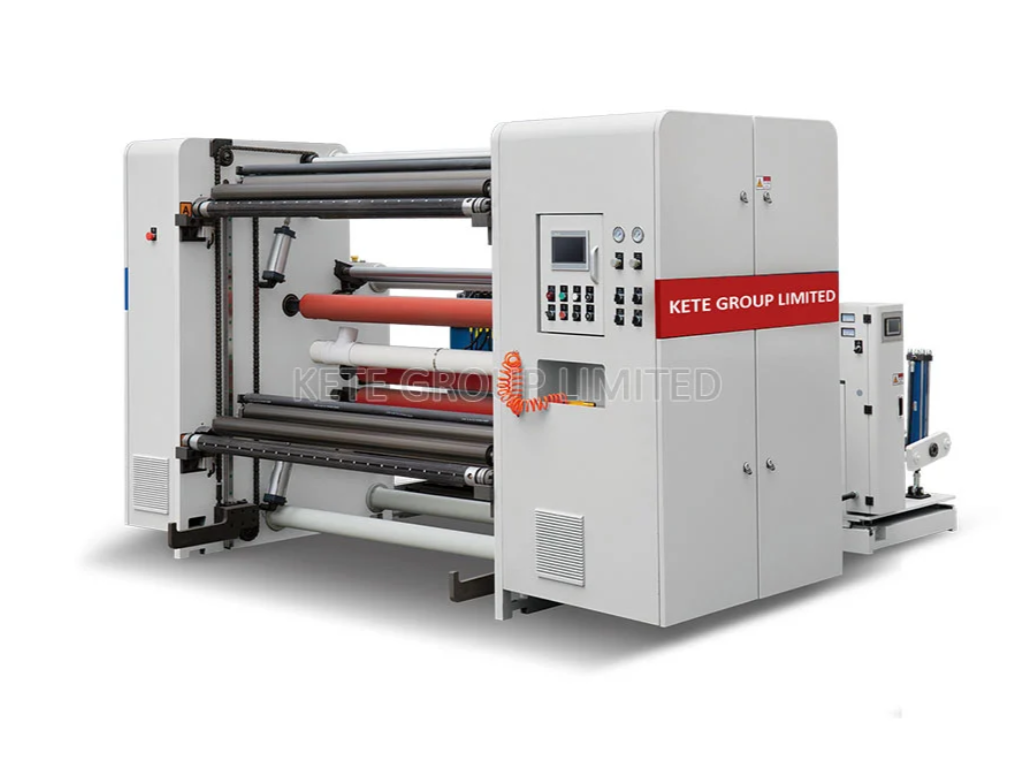
Kete Group, ambalaj, ilaç ve non-woven tekstil sektörlerinde tek elden çözümler sunan dönüştürme çözümlerinin önde gelen Çinli üreticisidir. Ekipmanlarımız, metalik folyolardan çevre dostu kumaşlara kadar alt tabakaların işlenmesinde etkili olan 500 m / dak'lık yüksek hızlarda 0,1 mm'lik yüksek bir hassasiyet seviyesine sahiptir. Kete, servo kontrollü hassasiyeti dinamik gerginlik ayarı ve anti-statik önlemlerle birleştirerek yüksek hızlarda geri sararken bile kenar bütünlüğü ve düşük fire sağlar. Az bakım gerektiren, uzun ömürlü mühendisliğe olan bu adanmışlık, dünya üreticileri için stratejik bir rehber, giderek daha karmaşık hale gelen bir endüstri dünyasında ölçeklenebilir, güvenilir üretim için net bir yol haritasıdır. Aşağıdaki seçim, tavsiye edilen ana rulo dilme makinesi modellerini belirler.
Dikkate Alınması Gereken En İyi Rulo Dilme Makineleri
| Model | Hammadde Genişliği | Dilme Teknikleri (Malzemeler) | Maks. Çözme Çapı | Maks. Geri Sarma Çapı | Min. Dilme Genişliği | Maks. Mekanik Hız |
| KTSM-C600G | 1800 / 2600mm | Kağıt, Plastik Film, Etiket Stoku, Nonwoven | Φ1600mm | Φ1300mm | 30mm | 600m/dak |
| KTSM-C350P | 1300 / 1600mm | Kağıt, Plastik Film, Etiket Stoku, Nonwoven | Φ1200mm | Φ1000mm | 50mm | 350m/dak |
| KTSM-C350S | 1300 / 1600 / 1800mm | Kağıt, Nonwoven Kumaş | Φ1600mm | Φ1400mm | 80 mm | 350m/dak |
| KTSM-CS300L | 1300 / 1600mm | Kağıt, Plastik Film, Alüminyum Folyo | Φ1400mm | Φ800mm | 5mm | 300m/dak |
Genel Sorun Giderme ve Bakım: Uzman İpuçları
Entropi yasaları en sofistike makineler için bile geçerlidir. Önleyici sigorta poliçesi, sermayenizi günlük aşınma ve yıpranmaya karşı sigortalayan bakımdır.
Problem: "Tüylü" Kenar: Yarık kenarları pürüzlü olduğunda veya toz oluşturduğunda, bunun ana nedeni ya bıçak körelmesi ya da yanlış makaslama açısıdır. Bıçaklar her gün büyüteç altında incelenmelidir. Dokunulduğunda keskin olan bir bıçak, değerli bir filmin kenarını tahrip eden mikroskobik çentiklere sahip olabilir.
Problem: Teleskopik Rulolar: Bitirdiğiniz rulo bir teleskopa benziyorsa (ortası şişkin), rulonun sonunda sarımınızda çok fazla gerginlik var demektir. Öte yandan, maça ezildiğinde, başlangıç gerginliğiniz aşırıdır. Konik Gerginlik için HMI ayarlarınızı yapın.
Problem: Ağ Yolunda Buruşma: Bu genellikle yanlış hizalanmış avara silindirlerinden veya yuvarlak olmayan bir ana silindirden kaynaklanır. Mükemmel şekilde paralel olduklarından emin olmak için makinedeki silindirleri bir lazer hizalama aracı kullanarak kontrol edin.
Problem: Statik Elektrik: Yüksek hızlı film dilme işleminde statik elektrik 30.000 volta kadar çıkabilir. Bu, yarık şeritlerinin yapışmasına veya toz toplamasına neden olur. Çözme ve geri sarma istasyonlarınızda Statik Giderici Çubukların etkin olduğundan emin olun.
Rutin Bakım: Vidalı milleri ve lineer kılavuzları haftada bir kez yağlayın. Optik sensörleri ve fan filtrelerini üfleyin. Temiz bir makine iyi bir makinedir.
Sonuç
Çağdaş üretim ortamının adı duyulmamış kahramanı rulo dilme makinesidir. Malzeme üreticisinin rafine edilmemiş, devasa üretiminin küresel ekonomiyi harekete geçiren özel, yüksek performanslı formlara dönüştürüldüğü kritik kavşak noktasıdır. Kesimin doğruluğu, gıda poşetleriyle mutfaklarımızda ve çevre dostu dokumasız tekstillerle çantalarımızda dile getirilmeyen bir kalite ve güvenlik güvencesidir.
Uygun rulo dilme makinesinin seçimi, on yıllık endüstriyel gelişim için bir tohum ekmeye benzer. Bu, üretim zincirinin diğer tüm eylemlerini etkileyen bir seçimdir. Mekanik arketipleri bilmek: Jilet, Makas ve Skor gibi mekanik arketipleri bilen ve OEE'nin çalışmasını sağlayan teknik hususlara odaklanan üreticiler, bir maliyet merkezi olan dönüştürme departmanlarını rekabet avantajına dönüştürebilirler. Yapay zeka tabanlı gerilim kontrolü ve robotik işleme kombinasyonu, geleceğe doğru ilerlerken bu gerekli süreci mükemmelleştirmeye devam edecektir. 2026'da pazarda bir adım önde olmak için izlenecek yol, hassasiyete ve otomasyona yatırım yapmak ve dilme dünyasında her mikronun önemli olduğunun farkında olan bir üreticiyle işbirliği yapmaktır.


