 IT
IT  EN
EN  RU
RU  ES
ES  FR
FR  AR
AR  PT
PT  ID
ID  KO
KO  TR
TR  DE
DE  VN
VN  TH
TH  IN
IN 
Introduzione
Nel grande ecosistema dei processi produttivi moderni ci sono pochi processi fondamentali e invisibili come il taglio della carta. È il ruolo determinante e critico che trasforma un enorme rotolo di carta grezza nei prodotti esatti e utilizzabili che guidano le nostre catene di fornitura. Non si tratta di un semplice "taglio". Il materiale viene terminato con il taglio o il taglio in fogli.
Il taglio di precisione è un processo attivo e continuo, un campo ingegneristico in cui il fallimento si conta in micron e il successo si misura in qualità del prodotto ed efficienza produttiva. È il cuore dell'industria della stampa, dell'imballaggio e del converting e la sua corretta esecuzione gioca un ruolo fondamentale nel prodotto finale.
Cos'è il taglio della carta
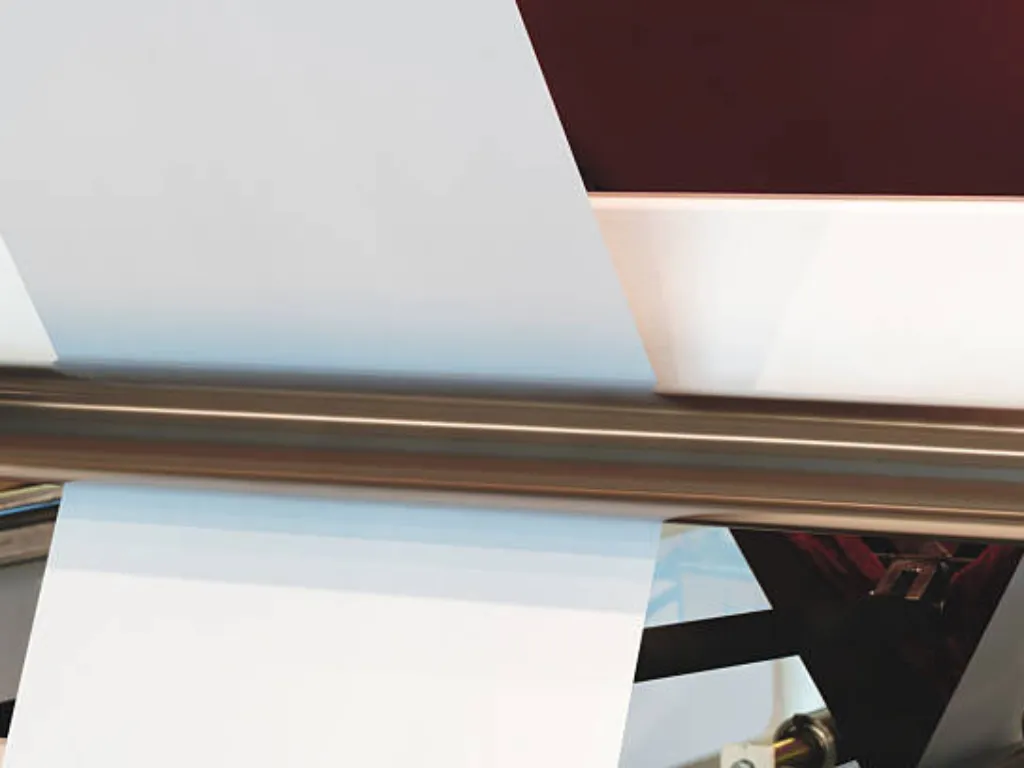
Fondamentalmente, il taglio della carta è il processo industriale che consiste nel tagliare un grande rotolo di materiale (chiamato jumbo roll o master roll) in diversi rotoli più piccoli. La macchina che esegue questa operazione è nota come "taglierina riavvolgitrice", in quanto non si limita a tagliare, ma deve anche riavvolgere i filamenti così tagliati in rotoli finiti della giusta densità e allineamento.
Questo deve essere differenziato da altri due processi:
Telo: Si tratta di un processo di taglio trasversale che taglia il materiale lungo la sua larghezza per produrre singoli fogli piatti (come la carta per fotocopie da ufficio).
Rifinitura: Si tratta di un aspetto del processo di taglio in cui vengono tagliati i bordi esterni della bobina madre, ma non è lo scopo principale.
Il taglio è un processo longitudinale o down-web. Il materiale viene tagliato mentre passa attraverso la macchina e si presenta sotto forma di rotolo continuo. È l'operazione di base dell'industria del converting: ridurre rotoli di grandi dimensioni in forme che possono essere utilizzate da macchine da stampa, linee di imballaggio e applicatori di etichette.
Il processo di taglio della carta madre: Una ripartizione in 3 fasi
Anche se i macchinari possono essere molto complicati, la fisica di base del taglio e del riavvolgimento può essere semplificata in tre fasi, che sono necessarie ed essenziali. Il fallimento di una di queste fasi compromette l'intera operazione.
Svolgimento del rotolo master: Controllare la tensione
Tutto inizia dal cavalletto di svolgimento, dove è montato il rullo maestro, che pesa diverse tonnellate. Non si tratta di un supporto passivo, ma di un sistema di frenatura attivo per impieghi gravosi. L'unica cosa che fa è controllare la tensione. Quando il rullo viene estratto dal nastro, il supporto di svolgimento esercita una resistenza costante.
Quando la tensione è eccessiva, la carta può allungarsi, deformarsi o addirittura rompersi. Quando la tensione è insufficiente, il nastro si allenta, oscilla o si muove e non è possibile ottenere un taglio dritto e pulito. Questa prima tensione di svolgimento è la chiave dell'intero processo; tutta la qualità successiva si basa sulla sua stabilità.
La fase di taglio: Il taglio vero e proprio
Dopo essere stato srotolato e mantenuto alla tensione ideale, il "nastro" piatto di carta viene inviato alla stazione di taglio. Questo è il cuore della macchina. In questo caso, il nastro viene tagliato attraverso una fila di coltelli impostati con una precisione specifica che separa il materiale.
Anche il taglio stesso deve essere chirurgicamente preciso. Questa fase è quasi sempre assistita da un sistema di guida del nastro (con sensori ottici o a ultrasuoni) che identifica il bordo della carta ed esegue microregolazioni dell'allineamento del nastro mentre passa attraverso i coltelli. In questo modo si garantisce che, anche se la bobina madre può essere stata avvolta con imperfezioni, le larghezze delle fenditure finali saranno precise con una frazione di millimetro.
Riavvolgimento dei rotoli finiti: Manipolazione e densità del nastro
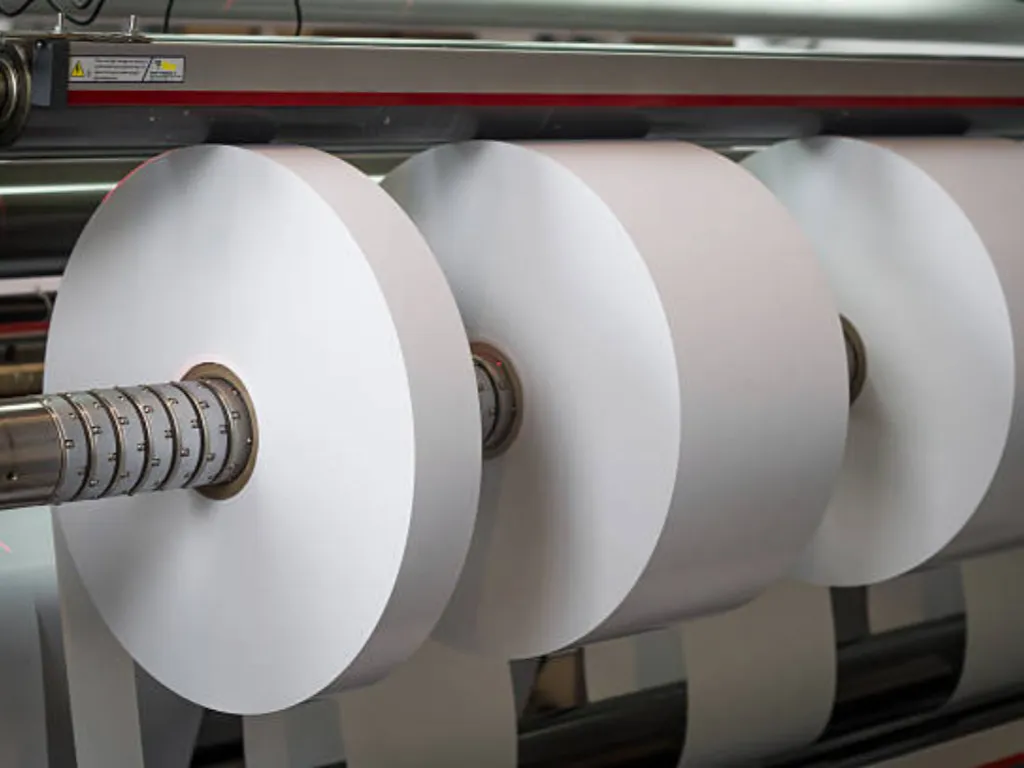
Una volta effettuato il taglio, il nastro, ora sotto forma di una serie di nastri più sottili, passa nella sezione di riavvolgimento. In questo caso, i nastri vengono avvolti su nuove anime di cartone per produrre i rotoli completi.
Questa è probabilmente la fase più complicata. La macchina deve ora costruire diversi rotoli distinti, di solito sullo stesso albero, con nuove impostazioni di tensione indipendenti. La densità finale del rotolo è determinata dalla tensione di riavvolgimento. Se si esagera, i rotoli saranno mollicci e instabili. Se troppo tesi, possono intrappolare aria, distorcere l'anima o formare rotoli coronati. Questa è l'ultima fase e si tratta di un sottile equilibrio di tensione, pressione e velocità per produrre rotoli completi che siano spessi, stabili e utilizzabili.
Metodi di taglio spiegati: Scegliere il taglio giusto per il materiale
Il taglio in sé non è un'operazione universale. La decisione sul metodo di taglio è determinata dalle caratteristiche del materiale (spessore, abrasività e fragilità). Si tratta di una delle scelte più importanti che qualsiasi ingegnere o responsabile degli acquisti può fare, perché un approccio sbagliato comporta una bassa qualità dei bordi, alti livelli di polvere e una rapida usura della macchina.
Taglio a rasoio
È il metodo più antico e più semplice. Taglia la carta con un'unica lama di rasoio affilata, simile alla lama di un taglierino. La lama può essere tenuta all'aria aperta (rasoio in aria) o fatta passare attraverso un rullo scanalato, che trattiene il nastro alla fine del taglio.
Ideale per: Materiali sottili e non abrasivi come pellicole di plastica, fogli leggeri e alcune carte patinate.
Pro: È un'installazione estremamente economica e facile. Taglia molto finemente e lascia pochissima polvere, sul materiale giusto, ed è molto pulito.
Contro: Le lame si consumano molto facilmente, in particolare su qualsiasi materiale contenente abrasivi (come la carta non patinata). Non può essere utilizzato con materiali spessi, rigidi o multistrato.
Taglio a cesoia (coltello maschio/femmina)
È la carta più versatile e di migliore qualità. Funziona come un paio di forbici di alta precisione. Il nastro viene catturato tra due lame circolari rotanti, una maschile, il coltello superiore, e una femminile, il coltello inferiore. Il contatto e la tensione di questi due coltelli formano un movimento di taglio che trancia il materiale.
Ideale per: La più ampia varietà di materiali, tra cui tessuti e non tessuti delicati, cartoni e laminati.
Pro: Questa tecnica consente di ottenere un bordo pulito e impeccabile con poca polvere. Le lame sono robuste, durature e possono essere rimodellate. È la scelta ideale per le applicazioni di alta qualità e ad alta velocità.
Contro: È più costoso all'inizio e richiede una messa a punto esperta e accurata per posizionare i coltelli superiori e inferiori al posto giusto.
Taglio a schiacciamento (taglio a punteggio)
Si tratta di un approccio più brutale, che utilizza la pressione per separare il materiale. Il nastro viene premuto contro una ruota indurita, di solito a spigoli vivi, ed è trattenuto da un rullo indurito noto come incudine. L'enorme pressione rompe o incrina il materiale, che viene spaccato.
Ideale per: Materiali rigidi, spessi o multistrato come compositi, laminati e carta abrasiva.
Pro: Estremamente veloce da installare, l'utensile è molto robusto e può tagliare materiali che rovinerebbero altre lame.
Contro: Questa tecnica lascia un bordo frastagliato e spezzato e produce molta polvere. Non può essere utilizzata in applicazioni che richiedono un bordo pulito.
Industrie e applicazioni chiave che si affidano al taglio della carta
Poiché le cartiere producono materiale in larghezze enormi ed efficienti, quasi tutte le altre industrie utilizzano questo processo per ottenere materiale in forma utilizzabile. Al centro di: il taglio della carta.
Imballaggio e trasformazione: La produzione di rotoli di carta, cartone e laminati di una certa larghezza da utilizzare per il confezionamento di alimenti, buste flessibili e scatole.
Carta termica (POS/ATM): L'intero settore delle ricevute, dei bollettini bancomat e dei biglietti per eventi si basa sul taglio dei rotoli termici jumbo nei rotoli piccoli che utilizziamo ogni giorno.
Etichetta Stock: Taglio di stock di etichette sensibili alla pressione e di facestock per stampanti e applicatori automatici di etichette.
Stampa: Preparazione di rotoli di carta patinata e non patinata di grandi dimensioni da inserire in particolari macchine da stampa a bobina.
Igiene e medicina: Taglio di tessuti non tessuti per pannolini, sanitari e salviette medicali.
Industriali e speciali: Lavorazione di materiali filtranti e carta per bustine di tè, nonché di abrasivi e componenti per batterie.
Conoscere i macchinari per il taglio della carta (ribobinatrici)
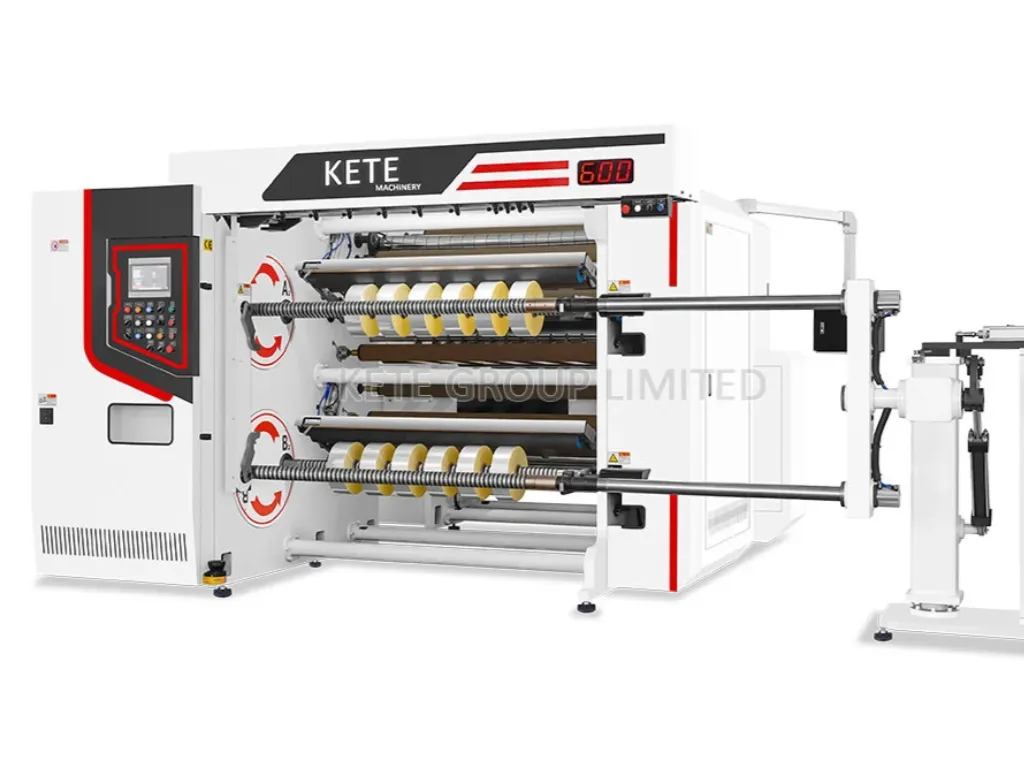
L'intero sistema che incorpora il processo a 3 fasi è noto come taglierina ribobinatrice. Sebbene la configurazione possa essere diversa a seconda dell'applicazione, tutte le macchine industriali hanno gli stessi componenti di base che è necessario conoscere prima di poter giudicare una soluzione.
| Componente | Descrizione | Funzione |
| Supporto per il rilassamento | Freno pneumatico o elettronico per impieghi gravosi, guida del nastro | Controlla la tensione e alimenta il rotolo master |
| Sistema di guida web | Sensori ottici/ultrasonici | Assicura l'allineamento per un taglio preciso |
| Stazione di taglio | Gruppo di taglio a rasoio, a cesoia o a schiacciamento | Taglia il nastro alla larghezza desiderata |
| Riavvolgimento Sezione | Alberi ad avvolgimento centrale o superficiale | Riavvolge i rotoli tagliati con una tensione controllata |
| Sistema di controllo (PLC) | Unità centrale per il controllo delle impostazioni della macchina | Regola la tensione di svolgimento/riavvolgimento, la velocità e la posizione dei coltelli. |
Le capacità e le prestazioni di queste macchine sono semplicemente sbalorditive. I limiti determinano le specifiche di una macchina. La larghezza della bobina può essere piccola, come nel caso di nastri stretti, o larga come rotoli master di alcuni metri. Il peso di base dei materiali può essere fine come il tissue (200 g/m²). La velocità è comunemente calcolata in centinaia di metri al minuto. A queste velocità e carichi, la tolleranza è la specifica più importante, ovvero la capacità della macchina di mantenere la propria larghezza e posizione. Una macchina costruita con telai rigidi, guide sottili e utensili di alta qualità può avere una tolleranza di ±0,1 mm.
I più comuni difetti di taglio della carta e come prevenirli
Una macchina con specifiche elevate sulla carta può finire per dare costosi scarti, a meno che non sia progettata per affrontare i problemi della vita reale. In pratica, quasi tutti i guasti di taglio sono dovuti a pochi, comuni difetti evitabili. La loro conoscenza è essenziale per scegliere una soluzione reale.
Telescopico: Questo è il caso in cui gli strati di un rotolo completato scivolano l'uno sull'altro, come un telescopio che collassa. Si tratta di un tradizionale guasto nella gestione della tensione. È dovuto a una tensione non uniforme nel riavvolgimento, a un controllo improprio della densità o all'assenza di rulli di stesura corretti per spremere l'aria. Si tratta di un rotolo instabile che non può essere utilizzato e che il cliente rifiuterà.
Spolverare: Si tratta della produzione di polvere di carta fine nel punto di taglio. È il più grande avversario del settore della stampa e dell'imballaggio alimentare. Questa polvere non solo inquina le lastre di stampa e i macchinari, ma può anche annullare le certificazioni di sicurezza alimentare. Di solito è dovuta a una tecnica di taglio impropria (taglio a schiacciamento), a lame opache o a un allineamento scorretto delle lame.
Scarsa qualità dei bordi: Bordi pelosi, frastagliati o sbavati. Sono causati direttamente da lame opache, lame di cesoia non allineate o lame di rasoio su un materiale abrasivo. Un bordo difettoso può impigliarsi nelle apparecchiature a valle, provocare la rottura del nastro ed è un'indicazione evidente di un prodotto di bassa qualità.
Larghezza della fessura irregolare: I rotoli completati hanno larghezze diverse. Questo è quasi sempre dovuto a un guasto del sistema di guida del nastro o a una deviazione eccessiva del nastro dovuta a una tensione instabile. Ciò comporta un enorme spreco perché i rotoli fuori specifica non possono essere utilizzati.
La soluzione di taglio avanzata di KETE: Dove la precisione incontra l'efficienza e la qualità
I difetti sopra descritti non sono inevitabili. Con oltre 15 anni di esperienza, il team di ricerca e sviluppo di KETE progetta soluzioni per affrontare esattamente queste sfide. Questa filosofia si concretizza nelle nostre soluzioni "Smart Slitting", costruite per offrire un equilibrio senza compromessi tra precisione, efficienza e qualità.
Precisione: Eleviamo gli standard di precisione. Le nostre taglierine servo-controllate mantengono una precisione di ±0,1 mm per ottenere bordi puliti e meno scarti, anche ad alta velocità. Questo vi permette di tagliare con sicurezza materiali delicati fino a 5 mm, ampliando le vostre capacità produttive.
Efficienza: Massimizziamo la vostra produttività. Le nostre taglierine ad alta velocità raggiungono i 500 m/min, consentendovi di gestire facilmente ordini di grandi dimensioni. Gestendo rotoli jumbo fino a 2600 mm di larghezza, riduciamo i cambi di materiale e massimizziamo i tempi di produzione. I nostri sistemi sono anche facili da usare, grazie a touch screen intuitivi e all'automazione che consente di risparmiare lavoro.
Qualità: Forniamo un rotolo finale perfetto e stabile. Le nostre macchine sono dotate di una regolazione dinamica della tensione e di un processo antistatico per garantire un riavvolgimento impeccabile. "Progettata per durare", ogni macchina è costruita con componenti durevoli sotto il severo controllo di tecnici esperti, per garantire prestazioni affidabili e bassa manutenzione.
Conclusione
Il taglio della carta è molto più che tagliare la carta. È un processo veloce, dinamico ed estremamente preciso che costituisce la base della produzione e del commercio moderno. Si tratta di un equilibrio fisico, di tensione, velocità e geometria della lama, che è costante. Il primo passo per padroneggiare il processo di svolgimento-taglio-riavvolgimento è comprendere le basi del processo, le variazioni tra rasoio, taglio e schiacciamento e i difetti che possono verificarsi durante il processo.
Se siete un trasformatore e dovete ottimizzare un processo ad alto volume, se siete uno stampatore e avete bisogno di un bordo privo di polvere, o se siete un produttore e state entrando in un nuovo mercato, tutto dipende dalla qualità del vostro processo. Il secondo passo consiste nel selezionare un partner che non solo padroneggi questi fondamenti, ma che li abbia sviluppati in una soluzione stabile e redditizia.


