 IN
IN  EN
EN  RU
RU  ES
ES  FR
FR  AR
AR  PT
PT  IT
IT  ID
ID  KO
KO  TR
TR  DE
DE  VN
VN  TH
TH  JA
JA  ZH
ZH  MS
MS 
औद्योगिक सामग्री रूपांतरण के कठोर परिदृश्य में, एक उच्च-प्रदर्शन स्लिटिंग मशीन पर मास्टर रोल से तैयार, संकीर्ण पट्टियों और छोटे स्पूलों में संक्रमण केवल एक यांत्रिक आवश्यकता नहीं है, बल्कि उत्पादन मूल्य श्रृंखला में एक रणनीतिक चर है, जो अंततः वांछित अंतिम उत्पाद तक ले जाता है। विभिन्न उद्योगों में इसे प्राप्त करने के लिए नियोजित विभिन्न प्रकार की शीयर कटिंग पद्धतियों में से, शीयर स्लिटिंग इस कार्य को पूरा करने के लिए उपयोग की जाने वाली विभिन्न पद्धतियों में सबसे उन्नत और बहु-उद्देश्यीय है। मूल रूप से, शीयर कटिंग एक अनुप्रयुक्त यांत्रिकी अभ्यास है जिसका उद्देश्य विभिन्न प्रकार की सामग्रियों की भौतिक विशेषताओं को उच्च-गति घूर्णन की गतिज विशेषताओं के साथ बराबर करना है। यह सामग्री की अखंडता बनाए रखने और साथ ही आधुनिक विनिर्माण द्वारा मांगी गई उच्च गुणवत्ता प्राप्त करने के लिए किया जाता है।
यह मार्गदर्शिका शियर स्लिटिंग प्रक्रिया, इसकी सफलता निर्धारित करने वाले प्रमुख मापदंडों और उच्च-उत्पादन स्लिट्टर रिवॉइंडर्स में इसके रणनीतिक अनुप्रयोग की विस्तृत तकनीकी चर्चा है।
शीयर स्लिटिंग क्या है और यह कैसे काम करता है
शीयर स्लिटिंग के बारे में जानने के लिए तथाकथित कैंची क्रिया को समझना आवश्यक है। रेजर स्लिटिंग, जिसमें एक स्थिर ब्लेड चलती वेब में प्रवेश करता है, या स्कोर स्लिटिंग, जिसमें कड़ा किए गए एन्विल के खिलाफ फाइबर को निचोड़ने के लिए दबाव डाला जाता है, के विपरीत, शीयर स्लिटिंग में दो घूर्णनशील शीयर ब्लेड होते हैं। इन्हें मेल चाकू (ऊपर) और फीमेल (नीचे) चाकू या बैंड के रूप में जाना जाता है।
यांत्रिक प्रक्रिया वेब सामग्री को इन दो परस्पर छेदने वाले वृत्ताकार स्लिट्टर ब्लेडों के बीच खिलाने से शुरू होती है। इन ब्लेडों के बीच संपर्क दो उच्च-सटीकता वाले औद्योगिक कैंची की तरह होता है जो सामग्री की गति के समान गति से चलते हैं। जब सामग्री कट क्षेत्र से गुजरती है, जो दो ब्लेडों के छेदन बिंदु पर होता है, तो सामग्री में स्थानीय विकृति उत्पन्न होती है। ऊपरी ब्लेड नीचे की ओर शियर बल प्रदान करता है और निचला ब्लेड विपरीत क्रिया में ऊपर की ओर सहारा देता है। यह ब्लेड के स्वच्छ शियर के लिए एक ऊर्ध्वाधर शियर कट तल बनाता है। यह इस तल के साथ सामग्री का एक सर्जिकल फ्रैक्चर है। चूँकि कट क्रशिंग या घसीटने से नहीं, बल्कि शियरिंग से किया जाता है, इसलिए उत्पन्न किनारा असाधारण रूप से स्वच्छ होता है, जिसमें कम सटीक तकनीकों के साथ मिलने वाली कोई फज़ या धूल नहीं होती है।
ब्लेडों की घूर्णी गति और वेब का तनाव इस अंतःक्रिया के भौतिकी को नियंत्रित करते हैं। प्रभावी होने के लिए, ब्लेडों के बीच संपर्क बिंदु को स्थिर और नियंत्रित होना चाहिए, जिससे उत्कृष्ट धार गुणवत्ता प्राप्त होती है। यह संपर्क केवल संरेखण का परिणाम नहीं है, बल्कि बलों का नियंत्रित समायोजन है, जो आधारभूत पदार्थ के अनुसार अणु या तंतु स्तर पर सामग्री को स्वच्छ रूप से विभाजित करता है। इससे जटिल मिश्रित पदार्थों और बहु-स्तरीय सामग्रियों में, जहाँ परत अलग होना या किनारों का छिलक जाना उत्पाद को बेकार बना सकता है, शीयर स्लिटिंग एक वांछनीय प्रक्रिया बन जाती है।
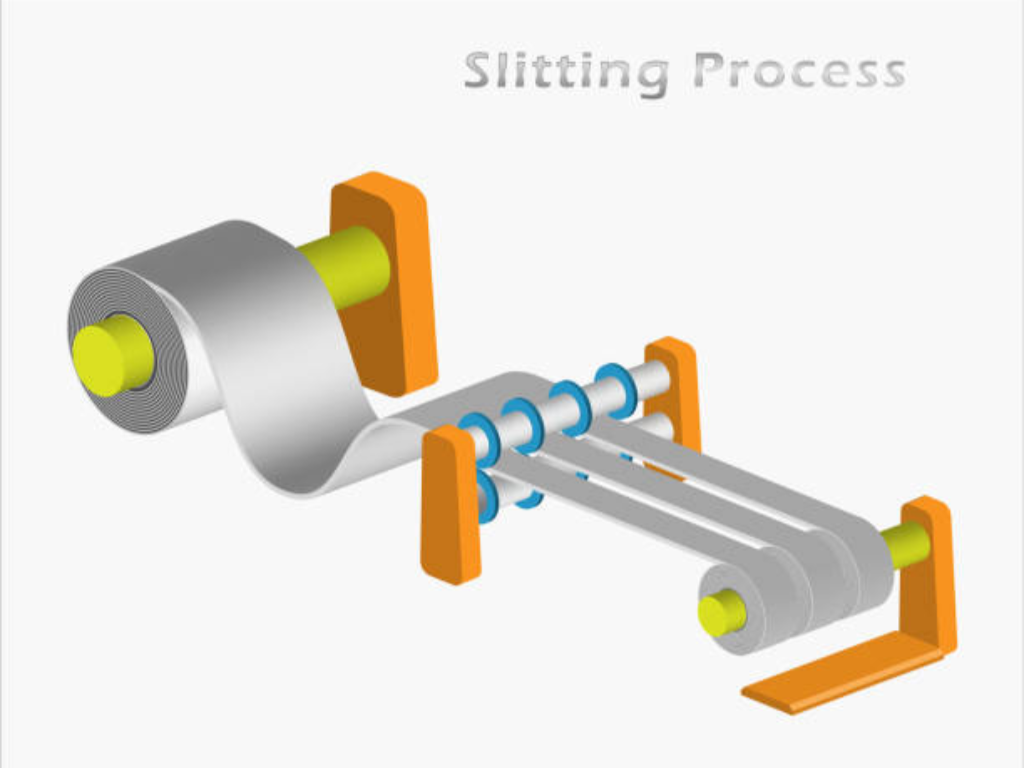
शीयर स्लिटिंग के 2 प्रकार: टेंजेन्शियल बनाम रैप स्लिटिंग
हालाँकि कैंची का मूल सिद्धांत हमेशा एक ही रहता है, सामग्री पथ के वृत्ताकार चाकुओं और ब्लेडों के साथ परस्पर क्रिया की ज्यामिति दो भिन्न लाती है शीयर कटिंग के प्रकार पद्धतियाँ: स्पर्श-कोणीय छेदन और लपेट-छेदन। सेटअप की सादगी और वेब स्थिरता के बीच संतुलन इन दोनों के चयन का निर्णय करता है।
पार्श्विक चीराकरण: दक्षता और सुलभता
टैन्जेंटल स्लिटिंग में, वेब सामग्री सीधी रहती है और यह केवल ऊपरी और निचले ब्लेड्स के बीच संपर्क बिंदु को ही छूती है, जो आपके द्वारा चुने गए कटिंग कोण से संबंधित है। सामग्री चाकुओं के वक्र के परिधीय भाग में रहती है। इस सेटअप का मुख्य लाभ यह है कि इसे सेट अप करना आसान है। चूंकि वेब निचले शाफ्ट के चारों ओर नहीं घूमती, ऑपरेटर कम डाउनटाइम में ब्लेड्स को सही स्थिति में रखकर मशीन में थ्रेड कर सकते हैं।
फिर भी, स्पर्शरेखीय स्लिटिंग फ्रैक्चर बिंदु के दौरान वेब को कम समर्थन प्रदान करती है। यह भारी-भरकम सामग्रियों या मोटे सब्सट्रेट्स के लिए उपयुक्त है, जिनमें फड़फड़ाहट को सहन करने के लिए पर्याप्त आंतरिक कठोरता होती है। उच्च आवृत्तियों पर कंपन करने वाली या उच्च आवृत्ति वेब बुनावट वाली सामग्रियों में, स्पर्शरेखीय स्लिटिंग, क्रश कटिंग की तरह, उच्च-स्तरीय अनुप्रयोगों में आवश्यक पूर्ण किनारे की सीध बनाए रखने में कठिनाई हो सकती है।
रैप स्लिटिंग: अधिकतम स्थिरता और उच्च-गति सटीकता
रैप स्लिटिंग वह प्रक्रिया है जिसमें काटने के समय वेब को निचले फीमेल चाकू या एक सपोर्ट रोलर के चारों ओर आंशिक रूप से लपेटा जाता है। यह व्यवस्था यह सुनिश्चित करती है कि सामग्री ठीक उसी समय जब वह ऊपरी ब्लेड के संपर्क में आती है, एक कठोर सतह द्वारा अच्छी तरह से समर्थित हो। वेब को निचले बैंड से लॉक करके पार्श्वीय या ऊर्ध्वाधर गति का खतरा लगभग समाप्त हो जाता है।
यह अल्ट्रा-पतली फिल्मों, फॉइल्स और हल्के कागजों के लिए सबसे आम पसंदीदा विधि है, जहाँ सबसे मामूली कंपन भी दाँतेदार किनारे का कारण बन सकती है। रैप स्लिटिंग तेज़ उत्पादन दर संभव बनाती है क्योंकि निचली शाफ्ट पर निरंतर तनाव वेब पर लगने वाले अपकेंद्री बलों का विरोध करता है। हालांकि इसमें अधिक जटिल थ्रेडिंग प्रक्रिया और पूरे वेब मार्ग की अधिक सटीक संरेखण की आवश्यकता होती है, फिर भी इसकी सुसंगत स्लिट चौड़ाई और किनारे की गुणवत्ता बेजोड़ है।
गुणवत्तापूर्ण स्लिटिंग प्राप्त करने के लिए महत्वपूर्ण पैरामीटर
सटीक इंजीनियरिंग में, एक आदर्श किनारे और एक स्क्रैप बैच के बीच का अंतर पैरामीटरों को अनुकूलित करके प्राप्त किए गए न्यूनतम लाभों में निहित होता है, जो सटीक कटौती की अनुमति देते हैं। ये सेटिंग्स उच्च-स्तरीय संगीत वाद्ययंत्र की तरह ही अत्यंत नाजुक होती हैं; अंतर का एक अंश ही पूरे सिस्टम की सामंजस्यता बदल सकता है।
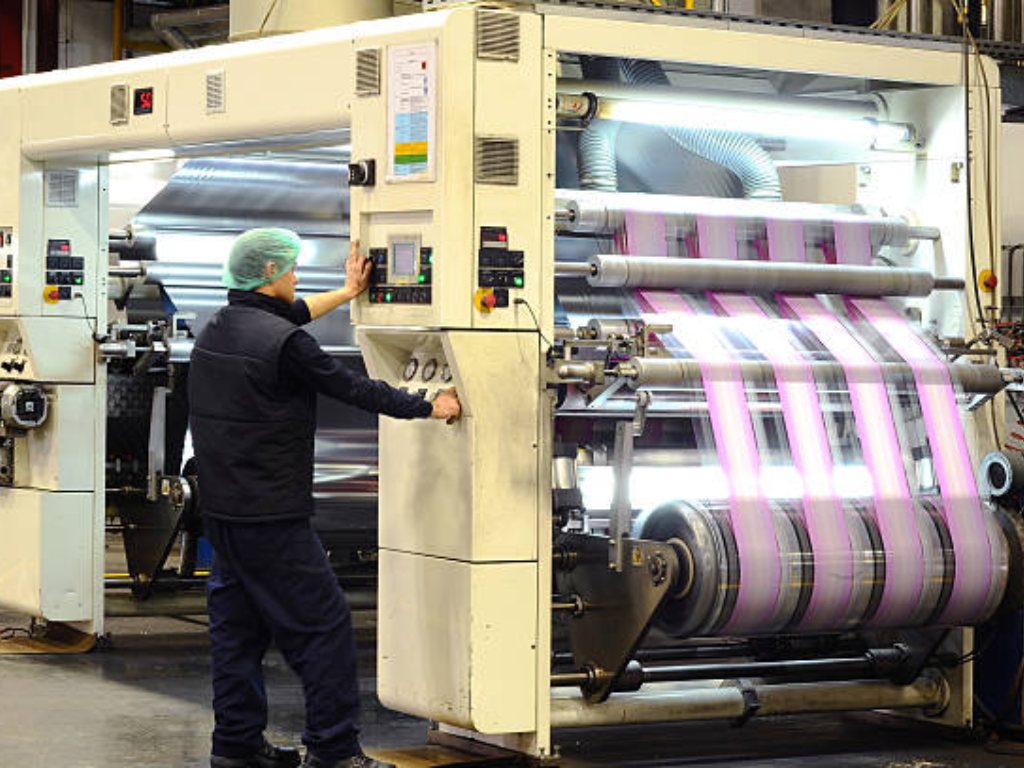
कैंट एंगल्स और ब्लेड ओवरलैप
कैंट एंगल वह छोटा कोण है जिस पर ऊपरी मेल ब्लेड को निचली फीमेल बैंड की तुलना में झुकाया जाता है। यह सामान्यतः 0.5 से 1.0 तक स्थापित किया जाता है। कैंट एंगल का उद्देश्य यह सुनिश्चित करना है कि ब्लेड अपनी पूरी समतल सतहों से एक-दूसरे से घिसें नहीं, बल्कि केवल एक बिंदु, निप पर ही घिसें। जब कैंट एंगल बहुत कम होता है, तो ब्लेड एक-दूसरे से रगड़ते हैं, जिससे बहुत अधिक गर्मी और धूल उत्पन्न होती है। जब यह बहुत बड़ा होता है, तो 'निप' बहुत आक्रामक हो जाएगा और ब्लेड समय से पहले घिस जाएगा और किनारों को भी खरोंच सकता है, विशेष रूप से जब सर्कुलर शीयर स्लिटर्स का उपयोग किया जाता है।
ऊपरी ब्लेड द्वारा निचले बैंड के ऊपरी किनारे के नीचे काटा गया ऊर्ध्वाधर दूरी ब्लेड ओवरलैप के रूप में जानी जाती है। सामान्य मानक ओवरलैप सेटिंग्स 0.015 से 0.030 (0.4 मिमी से 0.75 मिमी) की सीमा में होती हैं। सही ओवरलैप, अत्याधुनिक कटिंग-एज तकनीक के साथ मिलकर, यह सुनिश्चित करता है कि सामग्री पूरी तरह से काटी जाए। ओवरलैप की कमी से कट छूटने या अधूरे कटने की समस्या होती है, जबकि अत्यधिक ओवरलैप से घर्षण पैदा होता है और सामग्री कट बिंदु पर जमा हो सकती है, जिससे सब्सट्रेट और चाकू दोनों को नुकसान पहुँचता है।
साइड लोड दबाव और ओवरस्पीड अनुपात
पुरुष ब्लेड को महिला बैंड के खिलाफ धकेलने के लिए प्रयुक्त क्षैतिज बल को साइड लोड दबाव कहा जाता है। यह बल उच्च गति पर घूमते समय स्प्रिंग-लोडेड संपर्क को स्थिर बनाए रखने के लिए पर्याप्त होना चाहिए, लेकिन मोटी फिल्मों की प्रक्रिया के दौरान अनावश्यक घर्षण पैदा करने के लिए इतना अधिक नहीं होना चाहिए। आमतौर पर 2 से 5 पाउंड का साइड लोड आदर्श होता है। सही साइड लोड यह सुनिश्चित करता है कि जब ब्लेड सामग्री की मोटाई या घनत्व में बदलाव का सामना करते हैं, तो वे चटर न करें या अलग न हो जाएँ।
सबसे महत्वपूर्ण मापदंडों में से एक जिसे अक्सर अनदेखा किया जाता है, वह है महत्वपूर्ण कारक, ओवरस्पीड अनुपात। जब शीयर स्लिटिंग की जाती है, तो निचला फीमेल चाकू आमतौर पर वेब गति से 3-5 प्रतिशत अधिक गति पर चलाया जाता है। यह एक हल्का खींचने वाला प्रभाव देता है जो सामग्री को कट पॉइंट से गुजारने में सहायता करता है। यह अधिक गति यह सुनिश्चित करती है कि सामग्री धीमी न हो या जमा न हो, जो धार को साफ और तीक्ष्ण रखने और उच्च-गति रूपांतरण लाइनों में वेब टूटने से बचने के लिए आवश्यक है।
रेजर या स्कोर की बजाय शीयर स्लिटिंग कब चुनें
अन्य तकनीकों के बजाय शीयर स्लिटिंग का उपयोग करने का निर्णय लागत, गुणवत्ता और सामग्री अनुकूलता की गणना पर आधारित है।
कैंची बनाम रेजर: रेजर स्लिटिंग सबसे सस्ता विकल्प है, लेकिन यह ड्रैग कट के भौतिकी से सीमित है। जब रेजर बेधड़क हो जाता है, तो यह गर्मी और धूल उत्पन्न करता है। यह उन कठोर पदार्थों पर भी इस्तेमाल नहीं किया जा सकता जो मिनटों में रेजर की धार को काट दें। तुलनात्मक रूप से, शीयर स्लिटिंग एक ठंडा कट है, जो लगभग कोई धूल नहीं उत्पन्न करता, और यह क्लीनरूम सेटिंग्स या मेडिकल-ग्रेड पैकेजिंग में एकमात्र विकल्प है।
शीयर बनाम स्कोर: स्कोर स्लिटिंग (क्रश कट) नॉन-वॉवन्स और कुछ वस्त्रों के लिए बहुत अच्छा है, लेकिन यह मूलतः सामग्री को कुचलने पर आधारित है। इससे मोतीनुमा या मोटा किनारा बनता है जो आगे की रोलिंग या मुद्रण में बाधा डाल सकता है। शियर स्लिटिंग सामग्री की मूल मोटाई को किनारे तक बनाए रखती है, जो उच्च-सटीकता वाले लेमिनेट्स और भंगुर कोटिंग्स वाले सब्सट्रेट्स के लिए अत्यंत महत्वपूर्ण है।
हालाँकि शियर स्लिटिंग में चाकू धारकों और सटीक-घिसे हुए ब्लेड्स में अधिक प्रारंभिक निवेश की आवश्यकता होती है, यह निवेश कम अपशिष्ट, ब्लेड तेज करने के बीच लंबी अवधि, और गुणवत्ता को प्रभावित किए बिना बहुत उच्च गति पर संचालन करने की क्षमता से वसूल हो जाता है।
शीयर स्लिटिंग के लिए प्रमुख उद्योग और सामग्री की उपयुक्तता
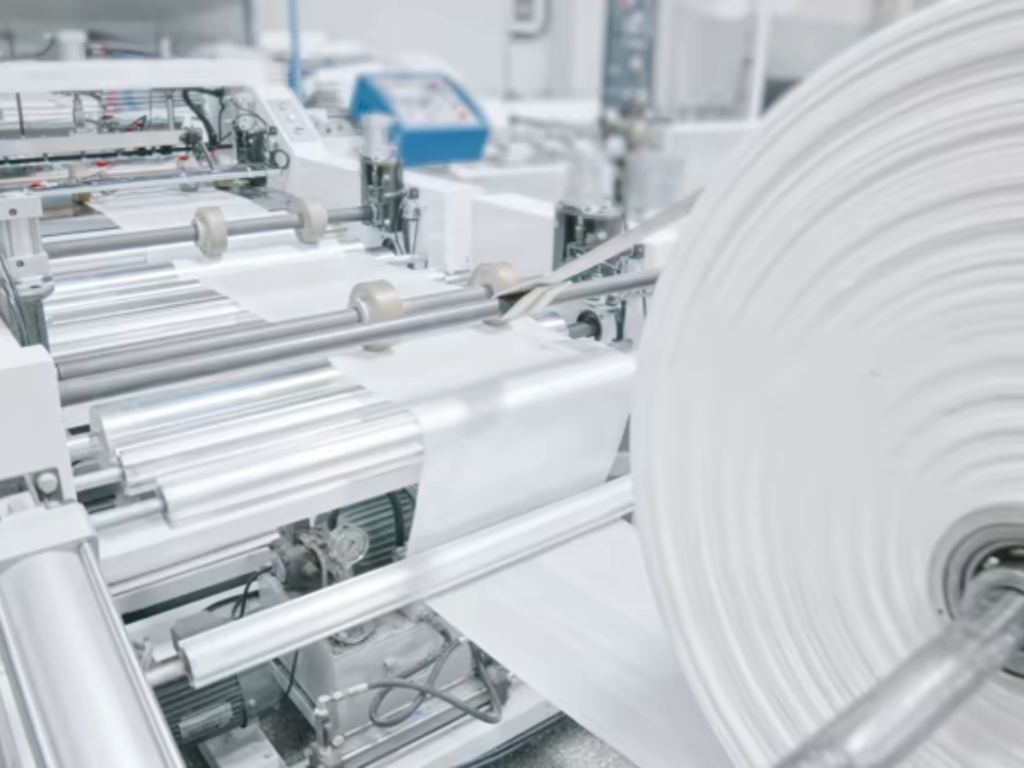
शीयर स्लिटिंग अपनी बहुमुखी प्रतिभा के कारण विभिन्न उच्च-विकास उद्योगों की नींव रही है।
लचीली पैकेजिंग: खाद्य और फार्मास्यूटिकल पैकेजिंग में बहु-परत वाली फिल्मों को ऐसा कट चाहिए जो परतें अलग न करे। शीयर स्लिटिंग का उपयोग यह सुनिश्चित करने के लिए किया जाता है कि अवरोधक परतें क्षतिग्रस्त न हों।
गैर-बुने और वस्त्र: स्वच्छता उत्पादों और मेडिकल वाइप्स के मामले में, शीयर स्लिटिंग धूल-रहित होती है, इसलिए अंतिम उत्पाद सुरक्षित और स्वच्छ होता है।
विशेष कागज और लेबल स्टॉक: शीयर स्लिटिंग उच्च-स्तरीय उपभोक्ता उत्पादों में आवश्यक सौंदर्य और कार्यात्मक लाभ प्रदान करती है, चाहे वह हाई-ग्लॉस फोटो पेपर हो या थर्मल लेबल।
विद्युत वाहन (ईवी) बैटरियाँ: लिथियम-आयन बैटरियाँ सक्रिय रासायनिक पदार्थों से आच्छादित एल्यूमीनियम और तांबे की पतली चादरों को काटकर बनाई जाती हैं। इस प्रक्रिया के दौरान कोई भी बर् या धूल बैटरी सेल में शॉर्ट सर्किट का कारण बन सकती है। शून्य-बर् किनारों को सुनिश्चित करने का उद्योग मानक शीयर स्लिटिंग है।
समस्या निवारण मार्गदर्शिका: सामान्य दोष और पेशेवर समाधान
सबसे अच्छे उपकरणों के बावजूद, बाहरी कारक दोष उत्पन्न कर सकते हैं। मूल कारण की पहचान, विशेष रूप से चाकू की प्रोफ़ाइल के संबंध में, यांत्रिक संतुलन के लिए एक व्यवस्थित दृष्टिकोण की आवश्यकता होती है।
| दोष / लक्षण | संभावित यांत्रिक कारण | समाधान |
| अत्यधिक धूल का जमाव | गलत कैंट कोण या ब्लेड के धँधे किनारों के कारण काटने के बजाय रगड़ होती है। | कैंट कोण को 0.5° पर पुनः समायोजित करें और आवर्धन के तहत ब्लेड के किनारे पर घिसाव के लिए निरीक्षण करें। |
| एज बर्ज़ या "फ्रेज़ल्ड" किनारे | पर्याप्त साइड लोड दबाव न होने या घिसे हुए फीमेल बैंड्स के कारण क्षणिक ब्लेड पृथक्करण। | न्यूमैटिक/स्प्रिंग साइड लोड को धीरे-धीरे बढ़ाएँ; सुनिश्चित करें कि निचले बैंडों के कोने तीखे और चौकोर हों। |
| सामग्री "प्लॉइंग" / लहरदार किनारे | ब्लेड ओवरलैप बहुत गहरा सेट किया गया है, जिससे सामग्री कटने से पहले विकृत हो जाती है। | ऊर्ध्वाधर प्रवेश को कम करने के लिए ऊपरी चाकू धारक को ऊपर उठाएँ (लक्ष्य 0.4 मिमी – 0.75 मिमी)। |
| वेब ब्रेक्स / स्लिट चौड़ाई में भिन्नता | अनुचित वेब तनाव या गलत ओवरस्पीड अनुपात। | निचले शाफ्ट का वेब की तुलना में 3-5% अधिक तेज़ी से चलना सत्यापित करें; मशीन की पूरी चौड़ाई में समान तनाव सुनिश्चित करें। |
KETE की सटीक इंजीनियरिंग कैसे शीयर स्लिटिंग की चुनौतियों को दूर करती है
शीयर स्लिटिंग एक संवेदनशील प्रक्रिया है जो इतनी सटीकता की मांग करती है जिसे अधिकांश मशीनें समय के साथ बनाए नहीं रख सकतीं। यहाँ विभिन्न उद्योगों के शॉप-फ़्लोर पर सिद्धांत और व्यवहार के बीच की खाई को पाटने के लिए KETE का इंजीनियरिंग दर्शन काम आता है। हमारा स्लिट्टर-रीवाइंडर्स, जो उन्नत कटिंग मशीनें हैं, सर्वो-नियंत्रित रोटरी कटिंग तकनीक का लाभ उठाकर ±0.1 मिमी की प्रभावशाली सहनशीलता प्राप्त करती हैं, और 500 मी/मिन तक की गति पर प्लास्टिक फिल्मों, फॉइल्स और नॉन-वोवन्स पर स्वच्छ किनारे बनाती हैं।
इस प्रदर्शन का मूल तत्व संरचनात्मक कठोरता पर निर्दयी जोर है। KETE कंपन-निरोधक फ्रेम और उच्च-सटीक स्पिंडल बेयरिंग का उपयोग करके माइक्रोन-स्तरीय दोलनों को रद्द करता है, जो सामान्यतः किनारों में दोष पैदा करते हैं। यांत्रिक शक्ति के अलावा, हमारी मशीनें उच्च-स्तरीय स्वचालन, जैसे सटीक तनाव नियंत्रण और स्वचालित लंबाई गणना, को मिलाकर लपेटे हुए वेब की अनवाइंडिंग और रीवाइंडिंग प्रक्रिया को सरल बनाती हैं। केटे मैन्युअल परीक्षण और त्रुटि को दोहराए जाने योग्य और उच्च-गुणवत्ता वाले नियंत्रण प्रणालियों से बदलकर बहुत सारा सेटअप समय और सामग्री की बर्बादी बचाता है। कन्वर्टर्स के लिए, इसका मतलब है कम रखरखाव और अधिकतम ROI, जिसका अर्थ है कि उच्च-गति उत्पादन किसी भी सेटिंग में हमेशा स्थिर और साफ-सुथरी गुणवत्ता प्रदान कर सकता है। आज ही हमारी टीम से संपर्क करें!
निष्कर्ष
शीयर स्लिटिंग केवल एक यांत्रिक प्रक्रिया नहीं है; यह भौतिकी और औद्योगिक रणनीति के बीच एक महत्वपूर्ण चौराहा है। एक ऐसी दुनिया में जहाँ सामग्री की कीमतें बढ़ रही हैं और गुणवत्ता सहिष्णुता घट रही है, स्वचालित चाकू से उच्च गति पर एक साफ, धूल-रहित किनारा बनाने की क्षमता एक प्रमुख प्रतिस्पर्धात्मक लाभ है। जैसा कि हमने चर्चा की है, इस प्रक्रिया की प्रभावशीलता तकनीकी मापदंडों के ज्ञान के साथ-साथ इसके पीछे की मशीनरी की सटीकता द्वारा निर्धारित होती है। उपयुक्त तकनीक में निवेश और सेटअप तथा रखरखाव के प्रति सख्त दृष्टिकोण के माध्यम से, परिवर्तकों (converters) यह सुनिश्चित कर सकते हैं कि उनकी उत्पादन लाइनें कुशल, टिकाऊ और, सबसे महत्वपूर्ण, सटीक हों।


