 AR
AR  EN
EN  RU
RU  ES
ES  FR
FR  PT
PT  IT
IT  ID
ID  KO
KO  TR
TR  DE
DE  VN
VN  TH
TH  IN
IN  JA
JA  ZH
ZH  MS
MS 
أنت تبحث عن سعر آلة طباعة فلكسوغرافية ذات 8 ألوان. وربما تكون قد واجهت بالفعل نفس العقبة التي يواجهها كل مشترٍ: لا توجد إجابة واحدة. فالأرقام التي تجدها على الإنترنت تتراوح بين أقل من $15,000 إلى ما يزيد بكثير عن نصف مليون دولار. ويبدو أن كل عرض يصف آلة تبدو متشابهة إلى حد كبير.
هذا الارتباك حقيقي، لكنه ليس عشوائياً. فسعر آلة الطباعة الفلكسوغرافية ذات الثماني ألوان يتبع هيكلاً يمكن التنبؤ به بمجرد فهم المتغيرات الثلاثة التي تحدد سعره: بنية الجهاز, المواصفات الفنية، و بلد المنشأ.
يوضح هذا الدليل بالتفصيل التكاليف التي يجب أن تتوقع دفعها مقابل كل نوع من آلات الطباعة الفلكسوغرافية ذات 8 ألوان. كما يشرح أسباب وجود الفوارق السعرية، ويكشف عن التكاليف الخفية التي غالبًا ما تغفلها عروض الأسعار المقدمة من الموردين. ويقدم لك إطارًا عمليًّا لتقييم عروض الأسعار، حتى تتمكن من وضع ميزانيتك بثقة والتفاوض من منطلق المعرفة.
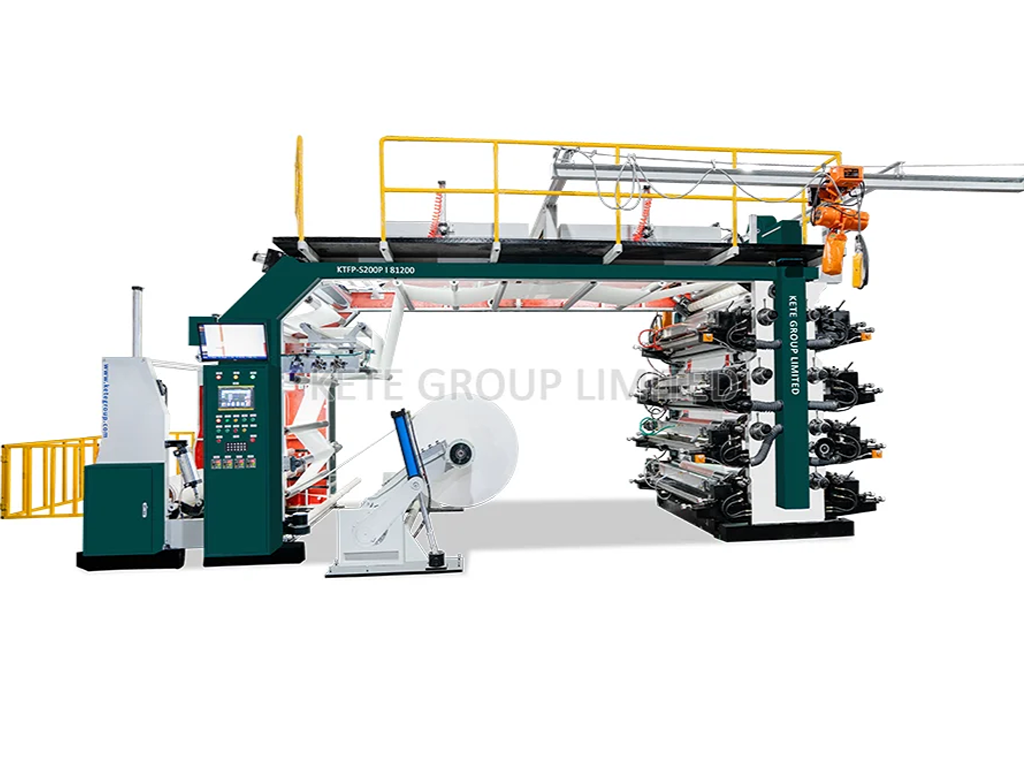
"ستاك" أو "سي آي" أو "جيرلس" — الأنواع الثلاثة لآلات الطباعة الفلكسوغرافية ذات 8 ألوان
قبل الحديث عن الأسعار، عليك أن تفهم ما الذي تشتريه بالضبط. فـ«آلة الطباعة الفلكسوغرافية ذات 8 ألوان» ليست فئة منتج واحدة. بل هي ثلاث هياكل آلية مختلفة جذريًّا، كل منها يقع في شريحة سعرية مختلفة تمامًا.
| نوع الآلة | الهيكل الأساسي | السرعة المعتادة | دقة التسجيل | فئة السعر |
|---|---|---|---|---|
| نوع المكدس | محطات ألوان مستقلة مكدسة عموديًا؛ تصميم بإطار مفتوح | 100–120 م/دقيقة | ± 0.15 مم | 100,000 إلى 1,000,000 |
| CI (الطباعة المركزية) | تُطبع الألوان الثمانية جميعها حول أسطوانة مركزية مشتركة؛ وهيكل مغلق وصلب | 200–300 م/دقيقة | ±0.10 مم أو أفضل | من طن واحد إلى أربعة أطنان لكل طن من 180 ألف إلى 600 ألف |
| محرك سيرفو بدون تروس | يتم تشغيل كل محطة لونية بواسطة محرك سيرفو مستقل؛ وعمود نقل حركة إلكتروني | 300+ م/دقيقة | ±0.05 مم | $500K–$2M+ |
فكر في الأمر بهذه الطريقة. إن آلة الطباعة ذات 8 ألوان من النوع المكدس هي آلة موثوقة ومُعتمدة، مصممة لأعمال التغليف المرنة اليومية: الأكياس البلاستيكية، وأكياس التسوق، والأغلفة الأساسية. أما آلة الطباعة المستمرة (CI) فهي الخيار الصناعي الأمثل للتغليف الذي يمثل عنصرًا حاسمًا للعلامة التجارية، حيث يجب أن يكون مطابقة الألوان مثالية في كل مرة، وبسرعات أعلى. وتعتبر آلة الطباعة المتواصلة (CI) ذات المحرك المؤازر بدون تروس قمة الهرم. فقد صُممت لمصنعي التغليف الذين ينفذون أعمالًا متميزة ذات تنوع عالٍ وكميات صغيرة، ويحتاجون إلى دقة أقل من 0.1 مم مع الحد الأدنى من نفايات الإعداد.
النقطة الأساسية التي يجب استخلاصها: إذا قدم لك موردان عرضي سعر هما $25,000 و$250,000 لـ«آلة فلكسوغرافية ذات 8 ألوان»، فهذا يعني أنهما لا يقدمان عرضي سعر لنفس فئة المعدات. إن فهم هذه الأنواع الثلاثة هو الأساس لكل ما سيأتي بعده.
أسعار آلات الطباعة الفلكسوغرافية ذات 8 ألوان — الأرقام الفعلية حسب نوع الآلة
هنا يتلاقى هدف البحث مع الواقع. وفيما يلي النطاقات السعرية الفعلية التي ستجدها في السوق اليوم، مصنفة حسب نوع الماكينة، مع أمثلة حقيقية من الموردين.
آلة طباعة فليكسو ذات 8 ألوان من النوع المكدس — الفئة المبتدئة إلى المتوسطة ($15,000–$100,000)
إذا كنت شركة تحويل صغيرة أو تشتري آلات للمرة الأولى، فمن المرجح أن يكون هذا هو النطاق الذي يقع فيه ميزانيتك.
مكابس التكديس المصنوعة في الهند تقع في أدنى مستوى من النطاق. وتعرض شركات موردة مثل «Innovative Flexotech» (أحمد أباد) و«Mohindra Mechanical Works» (سونيبات) آلات فلكسوغرافية مكدسة ذات 8 ألوان تتراوح أسعارها بين 12 لاك و20.5 لاك — ما يعادل تقريبًا $14,500 إلى $25,000 دولار أمريكي. وعادةً ما تكون هذه الآلات مدفوعة بالتروس، ومزودة بأسطوانات أنيلوكس معدنية (100–300 LPI)، وعرض شريط الطباعة يتراوح من 500 مم إلى ما يزيد عن 2,000 مم، مع نظام محاذاة ميكانيكي. وهي آلات بسيطة، لكنها تؤدي وظيفتها. وبالنسبة لشركات التصنيع في الأسواق الحساسة للأسعار التي تطبع شعارات أحادية اللون ونصوصًا بسيطة على أكياس التسوق أو الأكياس المنسوجة، فإن هذه الآلات تفي بالغرض.
مكابس التكديس الصينية الصنع ترتقي بهذه الآلة إلى مستوى أعلى. في النطاق من $40,000 إلى $100,000، تحصل على بكرات أنيلوكس خزفية من موردين يابانيين (200–800 LPI)، وأجهزة تحكم بشاشة لمس تعمل بنظام PLC، ونظام تحكم آلي في الشد بدقة ±0.3 كجم، وأنظمة شفرات مسح مغلقة، ودعم للأحبار المائية والمذيبات والأحبار التي تعمل بالأشعة فوق البنفسجية. يتراوح عرض الشريط بين 600 مم و2,400 مم. تهيمن هذه الآلات على سوق التصدير في الفئة المتوسطة. وهي الخيار الأمثل لمصنعي المنتجات المعبأة الذين يحتاجون إلى مخرجات متعددة الألوان موثوقة دون تكلفة CI.
آلة طباعة فلكسوغرافية من النوع المكدس ذات 8 ألوان تعمل بنظام «لف إلى لف» تجري اختبارًا على فيلم بلاستيكي.
ما لا تحصل عليه في هذه الفئة: المحركات المؤازرة، أو التحكم التلقائي في التسجيل، أو أنظمة التغيير السريع القائمة على الأكمام. إذا كانت هذه الميزات مهمة لعملك، فأنت بحاجة إلى الاطلاع على الفئة التالية.
آلة طباعة فليكسو من نوع CI ذات 8 ألوان — الفئة المتوسطة إلى الراقية ($180,000–$600,000)
هذا هو قلب سوق الطباعة الفلكسوغرافية الصناعية ذات الثماني ألوان، ولسبب وجيه. تقوم آلة الطباعة ذات الطبعة المركزية بتثبيت جميع محطات الألوان الثمانية حول أسطوانة واحدة ذات قطر كبير، يتراوح عادةً بين 1,000 و1,500 ملم، ويتم الحفاظ على درجة حرارتها ثابتة بواسطة نظام تدوير الماء المبرد. تعمل الأسطوانة على القضاء على تمدد الركيزة وانحرافها، وهما العاملان اللذان يتسببان في عدم دقة التسجيل في الآلات من النوع المكدس. ويتم الحفاظ على الانحراف الكلي المشار إليه (TIR) على أسطوانة CI عالية الجودة عند مستوى ≤ 0.008 ملم.
تقدم الشركات المصنعة الصينية — ولا سيما تلك المتمركزة في حزام صناعة الآلات بين مدينتي ونتشو ورويان بمقاطعة تشجيانغ — مستويين واضحين من الأسعار ضمن فئة CI:
- معيار CI ذو 8 ألوان: من $180,000 إلى $300,000. أنظمة تسجيل أوتوماتيكية تعمل بتروس أو بنظام هجين مدعوم بمحرك سيرفو، وتجفيف كهربائي/بالأشعة تحت الحمراء/بالهواء الساخن، وعادةً ما يتراوح عرض الشريط بين 800 و1,300 ملم. وتُعد هذه الآلات الأكثر مبيعًا لشركات تصنيع التغليف متوسطة الحجم.
- محرك مؤازر بدون تروس CI ذو 8 ألوان: من $500,000 إلى $578,000+. تحتوي كل محطة طباعة على محرك سيرفو مستقل خاص بها (من سيمنز أو ياسكاوا أو دلتا)، يتم مزامنته عبر عمود نقل حركة إلكتروني. تتيح أسطوانات الألواح القائمة على الأكمام التبديل السريع بين المهام، مما يقلل وقت الإعداد بنسبة 50% أو أكثر مقارنةً بتركيب الألواح التقليدي. كما تدمج هذه الآلات عادةً أنظمة فحص اللفافة المدمجة في خط الإنتاج واستدعاء المهام بناءً على الوصفات.
وللتوضيح، فإن المنتج الصيني الأعلى تصنيفًا في فئة آلات الطباعة الفلكسوغرافية ذات الدوائر المغلقة (CI) على المنصات العالمية للتجارة بين الشركات (B2B) هو سلسلة CHCI8 من شركة «وينتشو تشانغهونغ»، المزودة بنظام محرك سيرفو كامل ونظام الأكمام، ويبلغ سعرها حوالي $578,000.
طابعة فليكسو أوروبية فائقة الجودة بـ 8 ألوان — من $800,000 إلى $2,000,000+
تسيطر شركات «بوبست» (سويسرا) و«كوميكسي» (إسبانيا) و«ويندمولر آند هولشر» (ألمانيا) على الفئة الفاخرة. وتبلغ الفارق السعري لهذه الآلات ما بين 30 و60% مقارنةً بتكوينات CI الصينية المماثلة. ما تدفعه مقابل ذلك: استهلاك تكاليف عقود من البحث والتطوير، وشبكات خدمة محلية في كل سوق رئيسي، وتفاوتات تصنيع أقل دقة مما يترجم إلى عمر خدمة أطول، وسمعة العلامة التجارية التي تهم عندما يقوم عملاؤك بتدقيق خط الإنتاج الخاص بك.
معظم المشترين الذين يبحثون عن «سعر آلة الطباعة الفلكسوغرافية ذات 8 ألوان» لا يضعون في حساباتهم شراء آلات أوروبية. لكن معرفة وجود هذا الحد الأقصى أمر مفيد: فهو يجعل مجموعة CI الصينية من طراز $200K–$500K تبدو كخيار ذي قيمة معقولة، وليس إنفاقًا باهظًا.
نوع المكدس
100,000 إلى 1,000,000
طباعة بـ 8 ألوان للمبتدئين، مخصصة لأعمال التغليف المرن اليومية
نوع CI
من طن واحد إلى أربعة أطنان لكل طن من 180 ألف إلى 600 ألف
الطباعة الصناعية بنظام الطباعة المركزية للأعمال التي تتطلب دقة عالية في الألوان بالنسبة للعلامة التجارية
محرك سيرفو بدون تروس
$500K–$2M+
دقة مدعومة بنظام سيرفو لإنتاج منتجات فاخرة متنوعة بكميات صغيرة
لماذا تتراوح أسعار الطباعة بـ 8 ألوان بين $15K و $500K+ — العوامل الحقيقية المؤثرة في التكلفة
بمجرد الاطلاع على الأرقام، فإن السؤال الطبيعي الذي يطرح نفسه هو: ما الذي يجعل بالضبط إحدى الآلات ذات الألوان الثمانية تكلف 30 ضعفًا عن الأخرى؟ تكمن الإجابة في ثلاثة أبعاد.
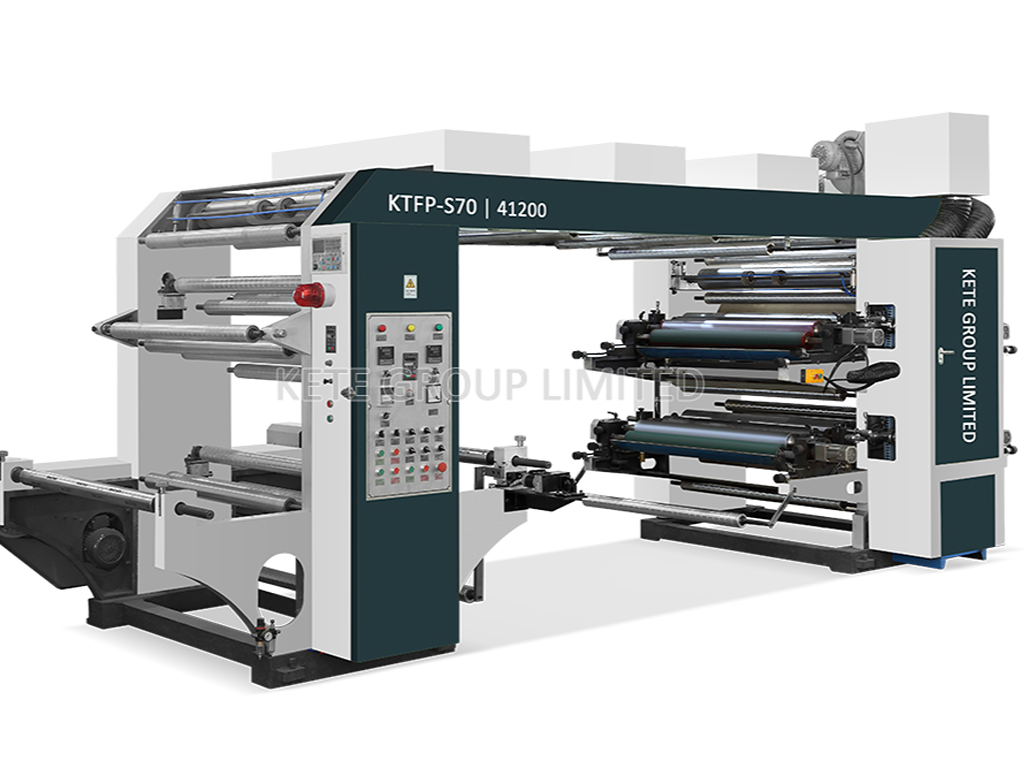
عرض الشبكة وسرعتها — العاملان المضاعفان اللذان يؤثران على التكلفة الأساسية
هذه هي العوامل الأكثر تأثيرًا على التكلفة بشكل مباشر، ومنطقها يستند إلى قواعد الفيزياء البسيطة. فكلما اتسع عرض الشريط، زادت أبعاد كل مكون ميكانيكي بشكل متناسب: بكرات أطول، وهياكل أثقل، وأنفاق تجفيف أكبر، وحوامل فك ولف أكبر. والانتقال من عرض شريط يبلغ 600 مم إلى عرض يبلغ 1,600 مم لا يؤدي فقط إلى مضاعفة تكلفة المواد، بل يغير الفئة الهيكلية للآلة. حيث يتحول الهيكل من ألواح فولاذية ملحومة إلى حديد مصبوب لتخفيف الاهتزازات، كما يتم ترقية المحامل من النوع القياسي إلى النوع عالي الدقة.
السرعة هي العامل المضاعف الثاني. يمكن لآلة تعمل بسرعة 70 م/دقيقة أن تستخدم نظام تروس أساسي ونظام تحكم في الشد باستخدام فرامل المسحوق المغناطيسي. أما إذا زادت السرعة إلى 200 م/دقيقة، فستحتاج إلى نظام فك/إعادة لف يعمل بمحرك مؤازر، ونظام تحكم ديناميكي في الشد بدقة ±0.1 كجم، وأنظمة تجفيف قادرة على معالجة الحبر بالكامل عند هذه السرعة. وإذا زادت السرعة إلى 300+ م/دقيقة، فستدخل عالمًا هندسيًّا مختلفًا تمامًا. يجب أن يكون كل مكون دوار متوازنًا ديناميكيًا. ويتطلب الهيكل إجراء تحليل العناصر المحدودة لتحديد أنماط الاهتزاز. كما يحتاج نظام التسجيل إلى أوقات استجابة أقل من الميلي ثانية.
مثال عملي: آلتان للتكديس بـ 8 ألوان، يبلغ عرض الشريط في كل منهما 1,200 مم. تعمل إحداهما بسرعة 80 م/دقيقة باستخدام محرك تروس. أما الأخرى فتعمل بسرعة 150 م/دقيقة مع نظام شد مدعوم بمشغل مؤازر ونظام تجفيف عالي السعة. وتكلف الآلة الأسرع ما يقارب 60–100% أكثر. ويكمن الفرق بالكامل في قائمة المواد.
يكمن الفرق في سعر الطرازين 60–100% بالكامل في قائمة المواد — إطارات أكثر سمكًا، ومحامل دقيقة، ونظام شد يعمل بمحرك مؤازر، ونظام تجفيف عالي السعة. فأنت تدفع مقابل الخصائص الفيزيائية، وليس مقابل اسم العلامة التجارية.
الأتمتة وجودة المكونات — أين تذهب الأموال غير المرئية
هذا هو الجانب الذي يربك معظم المشترين الجدد. فقد تتطابق المواصفات الفنية لجهازي آلة في الظاهر: «8 ألوان، 1,200 مم، 120 م/دقيقة». ومع ذلك، يبلغ سعر أحدهما $60,000 بينما يبلغ سعر الآخر $160,000. والفرق يكمن في المكونات الداخلية.
| عنصر | المستوى المبتدئ | المستوى المميز | تأثير السعر |
|---|---|---|---|
| نظام الدفع | مجموعة التروس، محرك رئيسي واحد | محرك مؤازر مستقل لكل محطة (Yaskawa/Siemens) | 3–5× |
| التسجيل | الضبط اليدوي، يعتمد على المشغل | تلقائي (BST Eltromat أو ما يعادله)، حلقة مغلقة | +$30K–$80K |
| أسطوانات أنيلوكس | معدني، 100–300 نقطة في البوصة | سيراميك، محفور بالليزر، 200–1,000 LPI (علامة تجارية يابانية) | 5–10 أضعاف العمر الافتراضي |
| المحامل | محلي | NSK (اليابان) / ASNU (ألمانيا) | 3–5 أضعاف العمر الافتراضي |
| أجهزة PLC وأنظمة التحكم | شاشة لمس أساسية | واجهة مستخدم كاملة مزودة بذاكرة الوصفات، والتشخيص عن بُعد | +$10K–$30K |
إن الآلة المزودة بمحركات مؤازرة من Yaskawa، ونظام التسجيل التلقائي من BST، وأسطوانات أنيلوكس الخزفية اليابانية، ومحامل NSK الدقيقة في جميع أجزائها، ليست «باهظة الثمن». فقائمة موادها تختلف فعليًّا عن الوحدة المخصصة للمبتدئين. ويعكس الفارق في السعر المكونات التي يمكنك لمسها، وليس مجرد ملصق العلامة التجارية.
مكان التصنيع — الهند مقابل الصين مقابل أوروبا: منطق التسعير
تؤدي الجغرافيا الخاصة بصناعة المطابع الفلكسوغرافية إلى تكوين هيكل تكاليف واضح مكون من ثلاث مستويات.
الهند تتمتع هذه الصناعة بأقل تكاليف عمالة في القطاع وسلسلة إمداد ميكانيكية محلية. وتقوم الشركات المصنعة الهندية، مثل «موهيندرا» و«إنوفيتيف فليكسوتك»، بتصنيع آلات عملية وبسيطة بأسعار لا يمكن لأي دولة أخرى أن تضاهيها. لكن المقابل هو مصدر المكونات: فعادةً ما يتم استيراد المحركات المؤازرة، ووحدات التحكم المنطقية القابلة للبرمجة (PLC)، وأسطوانات أنيلوكس الدقيقة المستخدمة في الآلات الهندية. وإذا لم يحدد المشتري هذه المكونات، فقد لا يتم تضمينها.
الصين — وبالتحديد ممر رويان-وينتشو في مقاطعة تشجيانغ — يُعد مركز الثقل العالمي لتصنيع آلات الطباعة الفلكسوغرافية من الفئة المتوسطة إلى الراقية. يعمل أكثر من 100 مصنع في هذه المجموعة، مما يخلق نظامًا بيئيًّا كثيفًا من الموردين المتخصصين لكل مكون. ويؤدي تأثير التكتل هذا، مقترنًا بخصم ضريبة القيمة المضافة الصيني «13%» على صادرات الآلات، إلى تحقيق ما يمكن اعتباره أفضل نسبة سعر إلى أداء في العالم لمطابع CI والمطابع المكدسة الراقية.
أوروبا (سويسرا، إسبانيا، ألمانيا) تتصدر الفئة المتميزة بفضل شبكات خدمة محلية متكاملة تمامًا، وعمر خدمة ميكانيكي أطول، وقيمة علامة تجارية ذات أهمية كبيرة للمصنعين الذين يزودون أصحاب العلامات التجارية متعددة الجنسيات.
إذا كنت تنوي شراء آلة طباعة حبرية (CI) ذات 8 ألوان وميزانيتك أقل من $500,000، فإن الصين هي الوجهة المنطقية للتوريد. فجودة الآلات التي تنتجها الشركات الصينية الرائدة تنافسية حقًّا. وعادةً ما يكون السعر 40–60% أقل مقارنةً بنظيره الأوروبي.
ما وراء الفاتورة — التكاليف الخفية التي تحدد حجم استثمارك الفعلي
إليك الرقم الذي لن تجده في أي صفحة منتجات لأي مورد: عادةً ما تكلفك آلة الفلكسوغرافية المكدسة ذات 8 ألوان من طراز $50,000 من $65,000 إلى $85,000 لتشغيلها في مصنعك خلال السنة الأولى. وعلى مدى خمس سنوات، ستبلغ التكلفة الإجمالية للملكية ضعفين إلى ثلاثة أضعاف سعر الشراء.
هذا هو الجزء الذي يتوقف عنده معظم المحتوى على الإنترنت. وهو أيضًا المكان الذي تُخصص له ميزانيتك الفعلية.
الشحن والرسوم الجمركية وتكاليف الاستيراد — توصيل الآلة إلى عتبة منزلك
تشغل آلة الفلكسوغراف ذات المكدس الثماني الألوان، والمعبأة في صناديق للتصدير، مساحة تتراوح بين 35 و50 مترًا مكعبًا تقريبًا. أما آلة الطباعة CI المزودة بأسطوانة مركزية، فتشغل مساحة تتراوح بين 50 و80 مترًا مكعبًا. وتبلغ تكلفة شحن حاوية عالية السعة بطول 40 قدمًا من شنغهاي إلى الموانئ الرئيسية في أفريقيا أو الشرق الأوسط أو جنوب آسيا ما بين $3,000 و$8,000 تقريبًا، اعتمادًا على المسار وشركة الشحن.
ثم تأتي التكاليف التي تفاجئ المستوردين الجدد:
- رسوم الاستيراد: تندرج آلات الطباعة الفلكسوغرافية تحت الرمز HS 8443.16. وتختلف معدلات الرسوم الجمركية بشكل كبير حسب البلد — حيث تتراوح بين 0 و5% في بعض الدول ذات السياسات التجارية المواتية، وبين 25 و35% في الأسواق الحمائية. لذا، عليك مراجعة جدول التعريفات الجمركية الخاص ببلدك قبل وضع الميزانية.
- التعامل مع البضائع في الميناء والتخليص الجمركي: ميزانية تتراوح بين $1,000 و$3,000 لتغطية رسوم السمسرة والتوثيق ورسوم المناولة في المحطة.
- النقل الداخلي: قد يتطلب نقل صندوق يزن عدة أطنان من الميناء إلى المصنع تكلفة إضافية تتراوح بين $1,000 و$5,000، اعتمادًا على المسافة وحالة الطرق.
قاعدة عامة واقعية: أضف 15–25% إلى سعر FOB للوصول إلى التكلفة الشاملة عند بوابة مصنعكم.
التركيب والتشغيل التجريبي وتدريب المشغلين — مرحلة بدء التشغيل
آلة الطباعة الفلكسوغرافية ليست مثل فرن الميكروويف. فهي لا تعمل فور توصيلها بالكهرباء. إن عملية التركيب والتشغيل هي عملية تستغرق عدة أيام، وهي التي تحدد بشكل مباشر ما إذا كانت آلتك الجديدة ستطبع منتجات قابلة للبيع في الأسبوع الأول أم ستظل معطلة لمدة شهر.
أمامك ثلاثة خيارات:
- إيفاد مهندسي المصنع: يقوم المورد بإرسال فني (أو فريق) إلى موقعك. وتتحمل أنت تكاليف تذاكر الطيران والإقامة، بالإضافة إلى أجر يومي يتراوح بين $200 و$500. بالنسبة للآلات من النوع المكدس، يستغرق التركيب من 3 إلى 5 أيام. أما بالنسبة لمكابس CI، فيجب أن تخطط لمدة تتراوح بين 7 و14 يومًا. هذا هو الخيار الأغلى — والأكثر أمانًا.
- التوجيه عن بُعد عبر الفيديو: يقوم مهندس المورد بإرشاد فريقكم خطوة بخطوة خلال عملية التركيب عبر مكالمة فيديو. هذه الخدمة مجانية أو منخفضة التكلفة، لكنها لا تنجح إلا إذا كان لدى فريقكم موظفون ذوو خبرة ميكانيكية في موقع العمل. فإذا حدثت أي مشكلة، فإن عملية استكشاف الأعطال وإصلاحها عبر شاشة الهاتف تكون بطيئة.
- فني محلي تابع لجهة خارجية: قد يوفر لك الاستعانة بفني مستقل في بلدك تكاليف السفر، لكن جودة العمل غير مضمونة، وقد لا تغطي ضمانات المورد الأعمال التي يقوم بها طرف ثالث غير تابع للشركة.
يُعد تدريب المشغل بنداً منفصلاً. يستغرق التدريب على التشغيل الأساسي من يومين إلى ثلاثة أيام. أما المهارات المتقدمة — مثل مطابقة الألوان، وتحسين الشد، والصيانة الوقائية — فتستغرق من 5 إلى 7 أيام. وإذا تجاهلت التدريب، فأنت في الواقع تدفع ثمنه لاحقاً في شكل نفايات، ووقت تعطل، وعمر تشغيلي أقصر للآلة.
المواد الاستهلاكية، والصيانة، وتكاليف التشغيل على مدى 5 سنوات
هنا يكمن الربح الحقيقي. الجهاز هو الدفعة الأولى؛ أما المواد الاستهلاكية فهي القسط الشهري.
| فئة التكلفة | التقدير السنوي (بالدولار الأمريكي) | بمعدل % من سعر الماكينة (لوحدة $80K) |
|---|---|---|
| ألواح الطباعة (البوليمر الضوئي) | $5,000–$15,000 | ستة إلى تسعة عشر واحد ثلاثة ثلاثة ثلاثة |
| الأحبار (ذات الأساس المائي / المذيبات / الأشعة فوق البنفسجية) | $10,000–$40,000 | ثلاثة عشر إلى واحد وخمسون ألفًا وثلاثمائة وثلاثة وثلاثون |
| استبدال أسطوانة أنيلوكس / إعادة نقشها | $2,000–$8,000 | ثلاث إلى عشر قطع نقدية من فئة بنس واحد |
| قطع الغيار والصيانة الدورية | 1,000–10,000 | ثلاث إلى ثلاث عشرة قطعة من فئة بنس واحد |
| الكهرباء (المحركات، المجففات، الضواغط) | $5,000–$15,000 | ستة إلى تسعة عشر واحد ثلاثة ثلاثة ثلاثة |
تدوم لوحة الطباعة المصنوعة من البوليمر الضوئي من 1 إلى 3 ملايين طبعة. أما أسطوانة الأنيلوكس الخزفية، التي يتم صيانتها بشكل صحيح من خلال التنظيف المنتظم بالموجات فوق الصوتية، فتدوم من 3 إلى 5 سنوات. وتبلغ مدة خدمة مصابيح المعالجة بالأشعة فوق البنفسجية من 1,000 إلى 2,000 ساعة، مع استبدال كل مصباح كل $200 إلى $500. هذه الأمور لا تشكل مفاجآت إذا قمت بالتخطيط لها مسبقًا. لكنها تصبح أزمات مكلفة إذا لم تقم بذلك.
الحسابات بسيطة: إذا كانت آلتك ذات الألوان الثمانية تعمل 8 ساعات يوميًا، وتنتج ما يعادل $200 من المطبوعات في الساعة، فإن تكلفة الآلة ستُسترد في غضون 12 إلى 18 شهرًا. والسؤال المتعلق بالتكلفة ليس «هل أستطيع تحمل تكلفة هذه الآلة؟»، بل «هل أستطيع تحمل تكلفة فترات التعطل والمنتجات المرفوضة الناتجة عن اختيار آلة تفتقر إلى الدعم اللازم للحفاظ على استمرار عملها؟».
قبل الالتزام بأي مورد، اطلب الاطلاع على التفاصيل: فترة تغطية الضمان وما تشمله، وما إذا كان شحن قطع الغيار مشمولاً، وكيف سيكون شكل الدعم بعد البيع بعد مغادرة فريق التركيب. وقد بنت بعض الشركات المصنعة — بما في ذلك مجموعة KETE الصينية، التي تصدر أكثر من 200 آلة طباعة فلكسوغرافية سنويًّا إلى أكثر من 80 دولة — سمعتها على أساس التتبع الشفاف لعملية الإنتاج مع تحديثات مرحلية حول التقدم المحرز (صور ومقاطع فيديو عند اكتمال مراحل 1% و30% و60% و90%)، واختبار العينات قبل الشحن باستخدام المواد الخاصة بالعميل، وإيفاد مهندسين من جميع أنحاء العالم للتركيب والتدريب في الموقع. أ ضمان قياسي لمدة سنة واحدة (تمتد إلى سنتين في طرازات محددة) مع استبدال قطع الغيار مجانًا شاملة تكاليف الشحن — باستثناء الأضرار الناجمة عن خطأ المشغل — هي الحد الأدنى الذي يجب أن يقدمه أي مورد جاد. وإذا كان المورد غامضًا بشأن شروط الدعم التي يقدمها، فعليك أن تعتبر هذا الغموض تكلفة لم تحدد قيمتها بعد.
احصل على تفاصيل كاملة عن الأسعار في منطقتك.
يتضمن تقديرات تكاليف الشحن، وإرشادات بشأن رسوم الاستيراد، وتكاليف التركيب المخصصة لموقعك.
هل تحتاج حقًا إلى 8 ألوان؟ دليل عملي لتحديد الحجم المناسب لاستثمارك
لقد بحثت عن سعر آلة ذات 8 ألوان. لكن إليك سؤالاً تبلغ قيمته ما بين $20,000 و$100,000: هل تحتاج فعلاً إلى ثمانية ألوان؟
تؤدي كل محطة طباعة إضافية إلى زيادة التكلفة في أربعة جوانب: رأس المال (سعر الآلة)، والمواد الاستهلاكية (مجموعة إضافية من الألواح، وأسطوانة أنيلوكس إضافية، ووحدة تخزين الحبر إضافية)، والوقت (8–15 دقيقة إضافية لكل عملية تغيير مهمة)، والتعقيد (المزيد من المتغيرات التي يجب التحكم فيها، والمزيد من العوامل التي قد تخرج عن المواصفات).
الشعارات والنصوص على أكياس التسوق والأغلفة
أسرع عائد على الاستثمار. ستظل المحطات الإضافية معطلة في 90% من مهامك. شعارات بسيطة أحادية اللون وطباعة أساسية على الأغلفة.
عبوات الوجبات الخفيفة ومستحضرات التجميل ذات العلامات التجارية
تغطي عملية CMYK بالإضافة إلى لونين محددين. وتُعد هذه التهيئة الأساسية لمعظم شركات التصنيع في السوق المتوسطة.
تغليف فاخر لعلامة تجارية متعددة المنتجات
النطاق اللوني الكامل بالإضافة إلى ألوان محددة متعددة عبر الإنترنت في آن واحد. ويكون ذلك مبرراً عندما تتطلب تركيبة المهام ذلك يومياً.
التغليف المرن عالي الجودة بكميات صغيرة
تساهم المحطات الإضافية في تقليل وتيرة عمليات التنظيف والتبديل. ويتم تعويض الزيادة في النفقات الرأسمالية من خلال ارتفاع معدل الفعالية الإجمالية للمعدات.
التقييم المهم: انظر إلى آخر 50 مشروعًا قمت بها. كم عدد المشاريع التي استخدمت فيها فعليًّا أكثر من 6 ألوان؟ إذا كانت الإجابة هي "خمسة أو أقل"، الترقية من آلة ذات 6 ألوان إلى آلة ذات 8 ألوان لا تُعد نموًّا. بل هي استثمار مفرط. فالمبلغ الذي توفره عند شراء العدد المناسب من الألوان — من $40,000 إلى $100,000 — يمكن أن يغطّي تكاليف المواد الاستهلاكية لمدة عام، أو توظيف مشغل إضافي، أو سداد تكاليف الشحن والتركيب التي لا تغطيها فاتورة الآلة.
الحصول على أفضل صفقة — كيفية تقييم عروض الأسعار واختيار المورد
أنت الآن على دراية بنطاقات الأسعار، وتفهم العوامل المؤثرة في التكلفة، ولديك إطار عمل يتيح لك تحديد ما إذا كانت المواصفات التي تتضمن 8 ألوان هي الخيار الصحيح. والخطوة الأخيرة هي تحويل هذه المعرفة إلى قرار شراء ذكي.
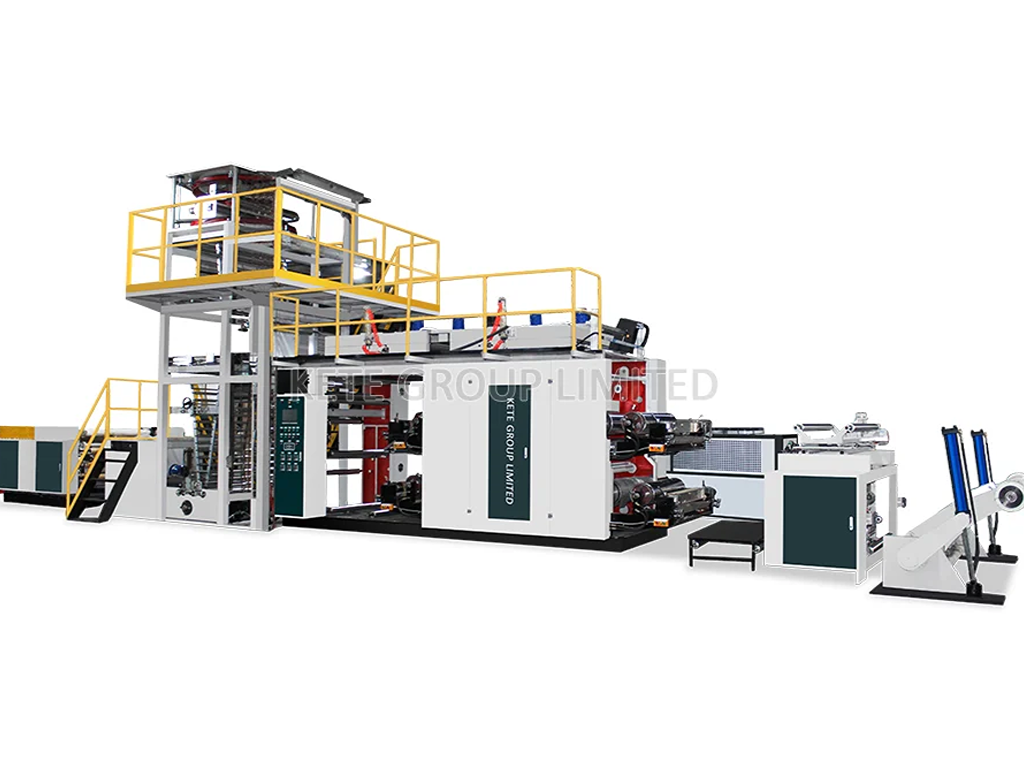
الأسئلة السبعة التي يجب أن تتضمنها كل عرض أسعار من الموردين
عندما تصل إلى مكتبك ثلاثة عروض أسعار تكون قيمها $28,000 و$65,000 و$185,000 — وجميعها لـ«آلات الطباعة الفلكسوغرافية ذات 8 ألوان» — فإن هذه الأسئلة السبعة ستساعدك على معرفة أي العروض صادق وأيها يخفي شيئًا ما:
1. هل يشمل السعر تكاليف التركيب والتشغيل؟
وإلا، فاطلب عرض أسعار منفصل لهذا البند.
2. ما هي العلامات التجارية وبلدان المنشأ للمكونات الأساسية؟
المحركات المؤازرة، ووحدات التحكم المنطقية القابلة للبرمجة (PLC)، وأسطوانات أنيلوكس، والمحامل، وعلب التروس. إذا لم يذكر المورد هذه العناصر، فابتعد عنه.
3. ما الذي تغطيه الضمان بالضبط، وما هي مدة سريانه؟
«12 شهراً» لا تعني شيئاً دون وجود نطاق تغطية مكتوب.
4. هل توفرون قائمة أسعار قطع الغيار؟
وإذا لم يعلنوا عن ذلك قبل البيع، فسترتفع أسعار قطع الغيار بشكل مبالغ فيه بعد البيع.
5. ما هو الجدول الزمني المؤكد للتسليم، وهل توجد بند عقوبة في حالة التأخير؟
آلات التكديس القياسية: 30–40 يومًا. آلات CI: 60–90 يومًا.
6. هل يمكنكم تزويدي ببيانات الاتصال الخاصة بأحد العملاء في بلدي أو منطقتي الذي يستخدم نفس الطراز؟
التوصيات التي يمكنك الاتصال بها فعليًّا تساوي أكثر من أي عرض ترويجي.
7. ما هو وقت الاستجابة المضمون لخدمة ما بعد البيع، وكيف يتم ضمانه؟
«الرد في غضون 24 ساعة» ليس مثل «الحل في غضون 24 ساعة». اطلب تفاصيل محددة.
الإشارات الحمراء والصفراء والخضراء عند تقييم المورد
???? الأعلام الخضراء: يقوم المورد بشكل استباقي بإرسال صور ومقاطع فيديو توضح تقدم عملية الإنتاج عند مراحل محددة. كما يقدم اختبار القبول في المصنع (FAT): حيث تقوم بزيارة مصنعه (أو تشارك عبر الفيديو) لمشاهدة الآلة وهي تطبع على المواد الفعلية الخاصة بك قبل شحنها. ويوفر المورد وثائق فنية باللغة الإنجليزية. كما يزودك بأسماء جهات مرجعية في منطقتك ستكون على استعداد للرد على مكالماتك.
???? الأعلام الصفراء: السعر المعروض أقل بكثير من النطاق السائد في السوق بالنسبة لمستوى المواصفات المزعوم. إذا بدا الأمر جيدًا لدرجة يصعب تصديقها، فهذا يعني أنه كذلك بالفعل. التواصل بطيء أو غير منتظم قبل إتمام عملية البيع. ولن يتحسن الوضع بعد ذلك. الوثائق الفنية متوفرة باللغة الصينية فقط، ولا توجد ترجمات إنجليزية لها.
???? العلامات التحذيرية: يرفض المورد الكشف عن العلامات التجارية للمكونات ومصادرها. ويطالب بدفع مبلغ 100% مقدمًا. وتتمثل الشروط القياسية في صادرات الآلات الصينية في دفع 30% كعربون عبر التحويل المصرفي (T/T)، و70% قبل الشحن، على الرغم من أن بعض المصانع تقبل الدفع عبر خطاب الاعتماد (L/C). ولا يمكنهم تقديم عنوان مصنع يمكن التحقق منه أو صور فعلية لعملية الإنتاج.
المورد الأفضل ليس بالضرورة الأرخص أو الأغلى. بل هو ذلك المورد الذي تتسم إجراءاته بالشفافية الكافية بحيث يمكنك التحقق مما تدفع مقابله.
عندما تكون مستعدًا لمقارنة الخيارات، فإن الخطوة الأولى العملية هي طلب إجراء اختبار طباعة تجريبي. أرسل مادة الركيزة الفعلية وملف التصميم الفني إلى أحد المصنعين المرشحين. اطلب منهم تشغيله على آلة مُهيأة وفقًا للمواصفات التي تفكر فيها، وإرسال العينات المطبوعة إليك مصحوبة بمقطع فيديو لعملية الاختبار. هذه الخطوة الواحدة تكشف عن قدرات المورد واستعداده لكسب ثقتك أكثر مما تكشفه أسابيع من المفاوضات عبر البريد الإلكتروني. تقوم شركات تصنيع مثل مجموعة KETE الصينية — التي لديها مشاريع تركيب موثقة في روسيا وكينيا وإيطاليا وأكثر من 80 دولة أخرى، وسجل حافل بالطلبات المتكررة من العملاء الذين تعمل آلاتهم منذ أكثر من عامين — بجعل هذا الأمر جزءًا من عملية ما قبل البيع القياسية لديها. إذا تردد المورد في تشغيل مادتك على آلته قبل أن تلتزم بالدفع، فاسأل نفسك عما قد يخشى أن تراه.
اختبر موادك على مطبعة ذات 8 ألوان قبل اتخاذ القرار النهائي.
أرسل إلينا الركيزة والتصميم الفني الخاصين بك. سنقوم بإجراء اختبار طباعة فعلي ونرسل إليك النتائج — بالإضافة إلى مقطع فيديو لعملية الاختبار.
اطلب اختبارًا تجريبيًّا مجانيًّا


