 AR
AR  EN
EN  RU
RU  ES
ES  FR
FR  PT
PT  IT
IT  ID
ID  KO
KO  TR
TR  DE
DE  VN
VN  TH
TH  IN
IN  JA
JA  ZH
ZH  MS
MS 
إذا كنت تبحث عن «سعر آلة الطباعة الفلكسوغرافية ذات الستة ألوان»، فمن المرجح أنك قد اتخذت القرار المهم بالفعل: أنت بحاجة إلى آلة طباعة فلكسوغرافية ذات ستة ألوان. ما تحتاجه الآن هو إجابة واضحة على سؤال واحد — ما المبلغ الذي يجب أن تخصصه في ميزانيتك، وما الذي يمكنك شراؤه فعليًّا بهذه الميزانية؟
الإجابة المختصرة: تتراوح تكلفة آلة الطباعة الفلكسوغرافية ذات الستة ألوان بين من $12,000 إلى ما يزيد عن $650,000. وهذا يمثل فارقًا في السعر يبلغ 50 ضعفًا. وهو فارق أكبر من الفجوة بين سيارة هاتشباك اقتصادية وسيارة رياضية فاخرة. ومثلما هو الحال مع السيارات، فإن هذا الفارق في السعر ليس عشوائيًا. بل يعكس اختلافات جوهرية في السرعة والدقة والأتمتة والموثوقية على المدى الطويل.
فيما يلي نظرة عامة على المجموعة:
| نوع الآلة | السعر التقريبي (بالدولار الأمريكي، شحن من الميناء) | الأفضل لـ |
|---|---|---|
| نوع المكدس للمبتدئين | $12,000 – $40,000 | تصاميم بسيطة مكونة من لون واحد أو لونين على ركائز فردية؛ ورشات صناعية ناشئة |
| مجموعة متوسطة المدى / متسلسلة | $40,000 – $150,000 | المصانع التي تعمل على ركائز متعددة وتحتاج إلى دقة نظام السيرفو وعمليات تبديل أسرع |
| الانطباع المركزي (CI) | $80,000 – $500,000 | التغليف المرن بكميات كبيرة؛ أعمال مطابقة الألوان الدقيقة والمخصصة للأغذية |
| نظام سيرفو كامل بدون تروس (فئة بريميوم) | $300,000 – $650,000+ | إنتاج على مدار الساعة طوال أيام الأسبوع؛ بجودة صيدلانية؛ دقة محاذاة <±0.08 مم |
هذه نطاقات أسعار إرشادية بنظام «فوب» (تسليم على متن السفينة) من الشركات المصنعة الصينية والهندية. وتختلف تكلفة التسليم النهائية باختلاف رسوم الشحن ورسوم الاستيراد ومتطلبات التركيب في كل منطقة. لكن الفارق الذي يبلغ 50 ضعفًا هو حقيقة واقعة — وفهم سبب وجوده هو الفارق بين شراء آلة تساهم في تنمية أعمالك وأخرى تستنزفها.
ما تحصل عليه فعليًّا في كل فئة سعرية: الفئة المبدئية، والفئة المتوسطة، والفئة المتميزة
قبل أن نتعمق في كل فئة على حدة، إليكم الإطار الذي يميز بينها. هناك ثلاثة عوامل تحدد المكان الذي تقع فيه آلة الطباعة الفلكسوغرافية ذات الستة ألوان ضمن النطاق السعري:
- نظام الدفع: تنقل الآلات التي تعمل بالتروس الطاقة الميكانيكية عبر سلاسل تروس مادية — وهي ميسورة التكلفة لكنها غير دقيقة. أما الآلات التي تعمل بنظام المؤازرة فتستخدم محركات مستقلة لكل محطة طباعة — وهي دقيقة لكنها باهظة الثمن.
- مستوى الأتمتة: إن التحكم اليدوي في الشد وتعديل التسجيل اليدوي يعنيان تكلفة أولية أقل، لكنهما يؤديان إلى زيادة الفاقد وإبطاء عمليات الإعداد. أما التسجيل التلقائي في حلقة مغلقة والتحكم التلقائي في شد الشريط، فيعكسان هذه المعادلة.
- دقة التصنيع: إن تفاوت التسجيل (الذي يتراوح بين ±0.25 مم و±0.05 مم)، وجودة أسطوانة أنيلوكس (الكروم مقابل السيراميك، و200 مقابل 800 LPI)، وصلابة الإطار، كلها عوامل تؤثر على السعر النهائي — وعلى جودة الطباعة النهائية.
يرجى أخذ هذا الإطار في الاعتبار أثناء استعراضنا لكل مستوى.
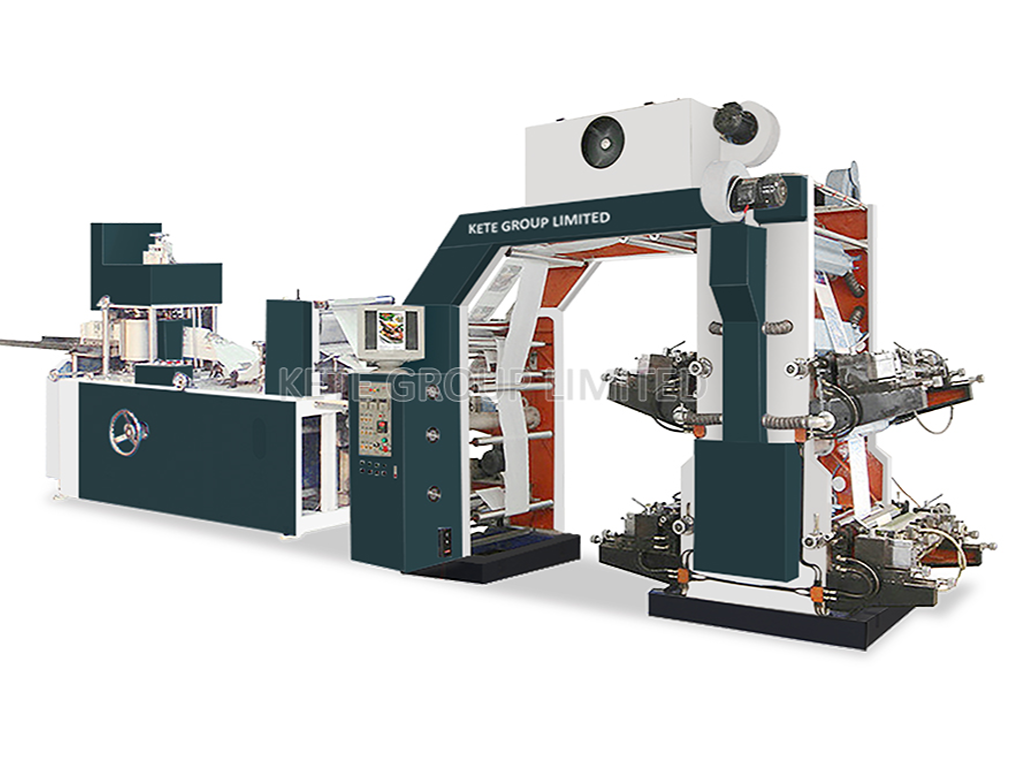
آلات الفلكسوغرافية ذات الستة ألوان للمبتدئين ($12,000 – $40,000)
تكون الآلات ذات الستة ألوان من الفئة المبتدئة بشكل حصري تقريبًا من نوع المطابع المكدسة: وهي عبارة عن ترتيب رأسي لمحطات الطباعة، حيث يتم تشغيل كل منها بواسطة تروس متصلة بعمود نقل حركة مشترك. وتعمل هذه الآلات بسرعة تتراوح بين 70 و120 مترًا في الدقيقة. وتتراوح عرض اللفافة بين 600 و1,000 ملم. وتبلغ دقة التسجيل حوالي ±0.20 إلى ±0.25 ملم.
آلة طباعة فلكسوغرافية من النوع المكدس ذات 6 ألوان تعمل بنظام «لف إلى لف» تجري اختبارًا على غشاء بلاستيكي.
ما الذي يمكنك فعله فعليًّا باستخدام آلة من هذه الفئة؟ يمكنك طباعة تصميمات بسيطة تتراوح بين لون واحد و3 ألوان على مواد أساسية واحدة — مثل الأكياس البلاستيكية المصنوعة من البولي إيثيلين، والأكياس المنسوجة البسيطة المصنوعة من البولي بروبيلين، وورق الكرافت الذي يحمل نصوصًا مكتوبة بخط عريض وشعارات. إذا كان نشاطك التجاري يدور حول تغليف السلع الأساسية حيث لا تُعد جودة الطباعة عاملاً مميزًا، فإن آلة من الفئة المبتدئة تتيح لك بدء التشغيل بأقل تكلفة رأسمالية ممكنة.
لكن هذه القيود محددة وتراكمية:
- انحراف التسجيل: في حالة عدم وجود ميزة التسجيل التلقائي، يجب ضبط كل محطة لونية يدويًّا لكل مهمة. وفي حالة آلة ذات 6 ألوان، يعني ذلك إجراء ست مجموعات من الضبط في كل مرة يتم فيها تغيير التصاميم. ومن المتوقع أن يستغرق الإعداد ما بين 45 إلى 60 دقيقة لكل مهمة جديدة. ويتفاقم عدم دقة التسجيل بين الألوان مع ارتفاع درجة حرارة المطبعة أثناء عمليات الطباعة الطويلة.
- زيادة هدر الحبر: يعني التحكم اليدوي في الشد أن الركيزة قد تتمدد أو تنحرف بين المحطات. وفي الآلات التي تعمل بتروس والتي لا تحتوي على نظام شد ذي حلقة مغلقة، تزيد كمية الحبر المهدرة بنسبة تتراوح بين 30 و50% مقارنةً بالآلات المماثلة التي تعمل بنظام سيرفو. كما يتم رفض عدد أكبر من المطبوعات بسبب أخطاء في محاذاة العناصر المطبوعة.
- تآكل أنيلوكس أسرع: عادةً ما تأتي الآلات من الفئة المبتدئة مزودة بأسطوانات أنيلوكس مطلية بالكروم أو من السيراميك ذي الجودة الأقل (بمعدل 200-400 LPI). ومن المتوقع استبدالها كل 2-3 سنوات في ظل ظروف الإنتاج العادية — بتكلفة تتراوح بين $2,000 و5,000 لكل أسطوانة لمجموعة من 6 ألوان.
المشتري النموذجي في هذا المستوى هو مصنع أكياس صغير في إحدى الأسواق الناشئة، يقوم بطباعة شعارات بسيطة على رقائق البولي إيثيلين (PE) لتوزيعها في متاجر التجزئة المحلية. وتؤدي الآلة المهمة المطلوبة. ولكن بمجرد أن يطلب العميل طباعة صور بالألوان المعيارية أو الامتثال لمعايير الأغذية، فإن هذا المستوى يصل إلى حدوده القصوى.
آلات الطباعة الفلكسوغرافية ذات 6 ألوان من الفئة المتوسطة ($40,000 – $150,000)
وهنا تتوقف آلة الطباعة الفلكسوغرافية ذات الستة ألوان عن كونها مجرد أداة طباعة أساسية وتبدأ في التحول إلى أحد أصول الإنتاج. والتحديث الأبرز هو التسجيل المدفوع بمحرك مؤازر — تعمل كل محطة طباعة بمحرك سيرفو مستقل يتم تزامنه بواسطة وحدة تحكم منطقية قابلة للبرمجة (PLC) مركزية. وقد تم التخلص من مجموعة التروس الميكانيكية التي كانت تحد من الدقة في المستوى المبتدئ.
تتميز الفئة المتوسطة بأربعة تحسينات ملموسة:
1. ترتفع دقة التسجيل إلى ±0.10-0.15 مم. هذا هو الفرق بين عبارة «تبدو الألوان متوافقة بشكل تقريبي» وعبارة «الطباعة تجتاز اختبار العدسة المكبرة». وبالنسبة لتغليف المواد الغذائية، حيث يجب أن تظهر الباركودات وجداول القيم الغذائية وشعارات العلامات التجارية بوضوح تام، فإن هذا المعيار مهم للغاية.
2. تحل أنظمة الشفرات الطبية المغلقة محل أحواض الحبر المفتوحة. هذا ليس مجرد تغيير شكلي. فالغرف المغلقة تقلل من تبخر مذيبات الحبر بنسبة 15-20%، وتحافظ على ثبات لزوجة الحبر طوال فترة التشغيل، وتقلل من انبعاثات المركبات العضوية المتطايرة (VOC) بدرجة كافية لتكون ذات أهمية من حيث الامتثال للمعايير البيئية في أسواق مثل الاتحاد الأوروبي وجنوب شرق آسيا.
3. يحل التحكم التلقائي في شد الشريط محل الفرامل التي تعمل بمسحوق مغناطيسي. تقوم تقنية الشد ذات الحلقة المغلقة بقراءة شد الشريط في الوقت الفعلي عبر خلايا الحمل، وتقوم بضبط عزم الدوران الخاص بعمليات الفك واللف بشكل ديناميكي. وفي حالة الأغشية الرقيقة مثل BOPP أو LDPE، يمنع ذلك حدوث التمدد والانحراف اللذين يتسببان في عدم دقة التسجيل في الآلات ذات المستوى المبتدئ.
4. أنيلوكس خزفي بدقة 400-800 LPI مع خلايا محفورة بالليزر. كلما زاد عدد الخطوط، زادت دقة وضع الحبر — مما يتيح طباعة نصوص أصغر حجمًا، وتدرجات لونية أكثر سلاسة، كما يصبح من الممكن استخدام شبكات الألوان المركبة. وعادةً ما تأتي أسطوانات أنيلوكس من هذه الفئة من موردي السيراميك اليابانيين، وتدوم من 5 إلى 7 سنوات بدلاً من 2 إلى 3 سنوات.
تعمل الآلات النموذجية من الفئة المتوسطة بسرعة تتراوح بين 150 و250 مترًا في الدقيقة، مع عرض شريط يتراوح بين 800 و1,600 ملم. وينخفض وقت التبديل بين المهام من 45 إلى 60 دقيقة إلى حوالي 15 إلى 20 دقيقة، بفضل ذاكرة الوصفات الموجودة على شاشة اللمس الخاصة بوحدة التحكم المنطقية القابلة للبرمجة (PLC). يمكن تخزين ما بين 50 و200 معلمة للمهام واستدعائها بنقرة واحدة.
من الذي يشتري من هذه الفئة؟ شركة تصنيع التغليف المرن التي تطبع أغلفة الوجبات الخفيفة المخصصة للاستخدام الغذائي على BOPP/PET المعدّن. بالنسبة لهذه الشركات، فإن تكلفة لفة مرفوضة من عميل في قطاع السوبرماركت تفوق بكثير المبلغ الذي يتم توفيره عند شراء طراز «$40,000» من الفئة المبتدئة. أو شركة تصنيع الملصقات التي تتوسع من الأعمال ذات الألوان الأربعة إلى الأعمال ذات الألوان الستة، وتحتاج إلى دقة نظام السيرفو للحفاظ على دقة النصوص والرموز الشريطية الدقيقة.
| البعد | المستوى المبتدئ ($12K-$40K) | المدى المتوسط ($40K-$150K) |
|---|---|---|
| نظام الدفع | مدفوعة بالتروس (عمود نقل الحركة المشترك) | يعمل بنظام مؤازر (محركات مستقلة لكل محطة) |
| التسجيل | ±0.20-0.25 مم | ±0.10-0.15 مم |
| تغيير الوظيفة | 45-60 دقيقة | 15-20 دقيقة (ذاكرة الوصفات في وحدة التحكم المنطقية القابلة للبرمجة) |
| نظام الحبر | صينية مفتوحة | شفرة طبيّة مدمجة |
| جودة أنيلوكس | كروم أو سيراميك عادي، 200-400 نقطة في البوصة | سيراميك ياباني، 400-800 نقطة في البوصة |
| التحكم في التوتر | فرامل المسحوق المغناطيسي (حلقة مفتوحة) | حلقة مغلقة لخلية الحمل |
| السرعة المعتادة | 70-120 م/دقيقة | 150-250 م/دقيقة |
آلات الفلكسوغرافية الفاخرة ذات الستة ألوان ($150,000 – $650,000+)
في الفئة المتميزة، تختفي كلمة «geared» تمامًا من ورقة المواصفات. وهذه هي مكابس ذات تحكم مؤازر كامل وبدون تروس. تعمل كل أسطوانة طباعة، وأسطوانة أنيلوكس، وأسطوانة الضغط بمحرك سيرفو خاص بها يتم تزامنه رقمياً. ولا توجد سلسلة تروس ميكانيكية قد تتعرض للتآكل أو تسبب تباطؤاً أو تحد من دقة التسجيل.
ما الذي يوفره هذا المستوى من الهندسة؟
- انحراف التسجيل أقل من ±0.08 مم. فيما يتعلق بالعلب الدوائية أو الملصقات الأمنية أو عبوات المشروبات الروحية الفاخرة، فإن حتى أدنى انحراف بسيط في محاذاة الطباعة يكون مرئيًا. وهذا هو الحد الفاصل بين المستوى المقبول والمستوى الممتاز.
- سرعة ثابتة تتراوح بين 300 و500 متر في الدقيقة. ليست السرعة القصوى المذكورة في ورقة المواصفات — بل السرعة الفعلية للإنتاج في أعمال الطباعة السداسية الألوان، نوبة تلو الأخرى.
- أنظمة التبديل السريع من النوع الأكمامي. يتم تركيب أسطوانات أنيلوكس وأسطوانات اللوحات على المغازل وفكها منها في أقل من 5 دقائق لكل محطة، دون الحاجة إلى أدوات. وتقوم الأكمام المزودة بعلامات RFID باستدعاء إعدادات الوصفة تلقائيًّا. فما أن يقوم المشغل بتحميل الكم حتى تتعرف المطبعة على المهمة المطلوبة.
- كل شيء يعمل بنظام الحلقة المغلقة: كاميرات التسجيل التلقائي التي تعمل على تصحيح موضع الألوان بالنسبة لبعضها البعض في الوقت الفعلي، وإعداد الطباعة التلقائي، والتحكم التلقائي في اللزوجة لمضخات الحبر، وإدارة الألوان المرتبطة بجهاز قياس الطيف الضوئي. وتحافظ المطبعة على قيمة DeltaE ضمن المواصفات المحددة للعلامة التجارية على مدار مليون طبعة.
كما أن الجوانب الاقتصادية تتغير على هذا المستوى أيضًا. فالمطبعة عالية الجودة تكلف مبلغًا أكبر مقدمًا، لكنها تثبت قيمتها من خلال ما توفره من تكاليف. حيث تنخفض نفايات الإعداد من 5-10% إلى 1-3% من الركيزة. كما يتقلص وقت تغيير المهمة إلى 10-15 دقيقة. ويمكن لمشغل واحد إدارة ما كان يتطلب مشغلين على آلة متوسطة المدى، وذلك لأن المطبعة تقوم بالتصحيح الذاتي.
في النظام البيئي الصناعي الصيني، يقوم العديد من المنتجين — لا سيما أولئك المتمركزون في ممر الآلات بين رويان ووينتشو بمقاطعة تشجيانغ — الآن بشحن آلات طباعة فلكسوغرافية CI عالية الجودة حاصلة على شهادة CE، وتطبق أنظمة الجودة ISO 9001، وتستخدم نفس أسطوانات أنيلوكس اليابانية ومحركات سيرفو الألمانية الموجودة في الآلات الأوروبية، وذلك بسعر يتراوح بين 40 و50% من السعر الأوروبي. وقد تقلصت الفجوة في القدرات بين الشركات الصينية الرائدة والشركات الأوروبية من الفئة المتوسطة. وأصبح قرار الشراء يعتمد بشكل متزايد على الدعم ما بعد البيع بدلاً من جودة الآلة وحدها.
ما وراء السعر المعلن: التكلفة الحقيقية لآلة طباعة فليكسو ذات 6 ألوان على مدى 5 سنوات
إليكم حقيقة تفاجئ معظم من يشترون آلات الطباعة الفلكسوغرافية لأول مرة: لا يمثل سعر شراء الآلة سوى 35-40% من تكلفتها الحقيقية على مدى خمس سنوات. أما الـ 60-65% المتبقية فتتوزع على المواد الاستهلاكية، والطاقة، والصيانة، ووقت المشغل، والأهم من ذلك كله — تكاليف التوقف عن العمل التي لا يذكرها أحد لك مسبقًا.
قد تكون السيارة التي جعلتك تتردد عند رؤية سعرها المعلن هي الخيار الأرخص بمجرد حساب التكاليف الإجمالية على مدى خمس سنوات. في حين أن السيارة التي بدت صفقة رابحة قد تكلفك، دون أن تشعر، $100,000 أكثر من السيارة «الباهظة الثمن» خلال نفس الفترة.
التكاليف الظاهرة: المواد الاستهلاكية والطاقة والصيانة
هذه هي التكاليف التي يمكنك التخطيط لها. وفيما يلي إطار عمل مبسط لتكلفة الملكية الإجمالية (TCO) على مدى خمس سنوات لآلة طباعة فلكسوغرافية متوسطة المدى ذات 6 ألوان، بسعر شراء يبلغ $100,000:
| فئة التكلفة | التقدير السنوي | المجموع على مدى 5 سنوات |
|---|---|---|
| سعر الشراء | - | $100,000 |
| المواد الاستهلاكية (الألواح، الأحبار، أنيلوكس) | $25,000 – $40,000 | $125,000 – $200,000 |
| الطاقة (20-80 كيلوواط × التعريفات الصناعية) | $8,000 – $25,000 | $40,000 – $125,000 |
| الصيانة وقطع الغيار | $2,000 – $5,000 | $10,000 – $25,000 |
| اليد العاملة (عاملان) | $20,000 – $50,000 | $100,000 – $250,000 |
| التكلفة الإجمالية على مدى 5 سنوات | $375,000 – $700,000 |
وهذا يمثل مضاعفاً يتراوح بين 3.75 ضعف و7 أضعاف سعر الشراء. دعونا نحلل أهم المتغيرات.
المواد الاستهلاكية تُعد أكبر بند متكرر في التكلفة — وأكثرها تأثراً بجودة الآلة. تبلغ تكلفة ألواح الطباعة المصنوعة من البوليمر الضوئي $50-150 لكل لوح. بالنسبة لمهمة طباعة من 6 ألوان، فإن ذلك يمثل ما بين $300 و900 على الألواح وحدها قبل بدء الطباعة الأولى. ويضيف استبدال أسطوانة أنيلوكس (كل 3-5 سنوات للسيراميك، وكل 2-3 سنوات للكروم) ما بين $12,000 و48,000 لكل تغيير لمجموعة كاملة في آلة ذات 6 ألوان. يبلغ استهلاك الحبر حوالي 2-4 غرام/م² للأحبار المائية. تنفق ورشة إنتاج تبلغ طاقتها 500 طن سنويًا ما بين $30,000-60,000 سنويًا على الحبر وحده. ومعدل هدر هذا الحبر، الذي يتأثر بدقة التسجيل، هو النقطة التي تتحول فيها جودة الآلة مباشرةً إلى تكلفة.
الطاقة يختلف بشكل كبير باختلاف تقنية التجفيف. يستهلك التجفيف بالهواء الساخن في مطبعة مكدسة ذات 6 ألوان ما بين 40 و80 كيلوواط — أي ما يعادل تقريبًا $15,000-30,000 سنويًّا وفقًا للأسعار الصناعية المعتادة. أما المعالجة بالأشعة فوق البنفسجية LED، التي تزداد شيوعًا في المطابع الفاخرة، فتقلل استهلاك الطاقة بنسبة 70-85% وتلغي وقت التسخين الذي يستهلك الطاقة عند بدء كل نوبة عمل.
التكاليف الخفية: فترات التعطل، والتدريب، والفجوة في خدمات ما بعد البيع
والآن نصل إلى التكاليف التي لا تتضمنها أي عروض أسعار — وهي التي تسبب أكبر قدر من الألم.
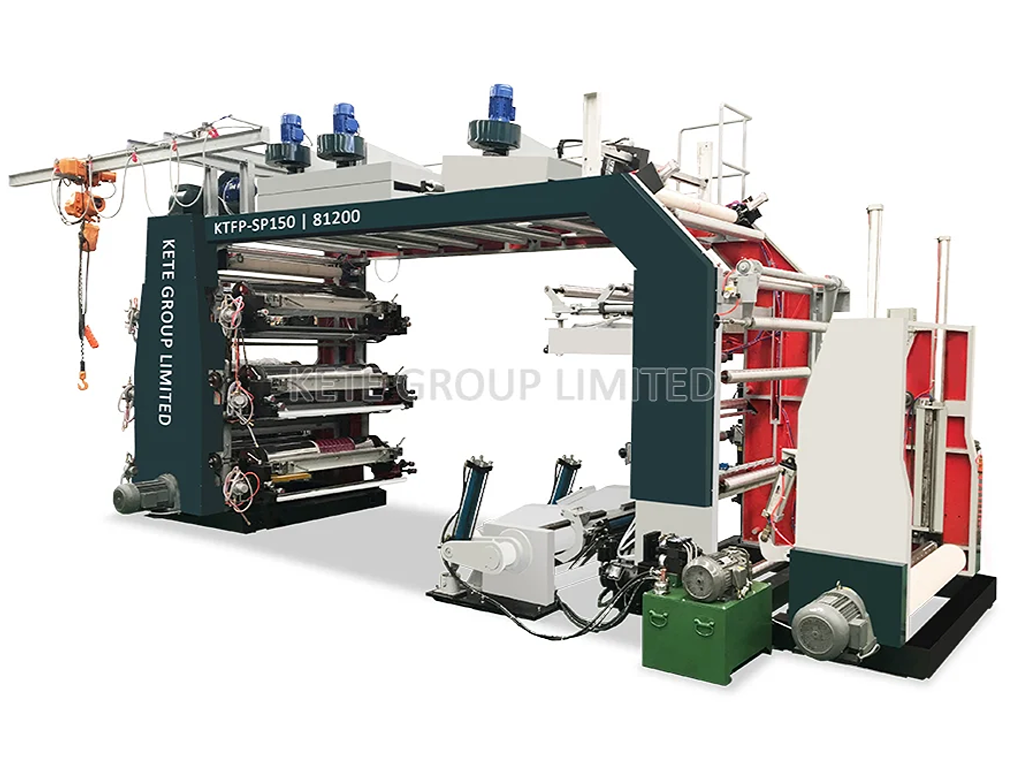
فترات التعطل هي القاتل الصامت للهامش الربحي. تنتج آلة الطباعة الفلكسوغرافية متوسطة المدى ذات الستة ألوان، التي تعمل بسرعة 150 م/دقيقة على فيلم بعرض 1,000 مم، ما يقارب $3,000-8,000 من المخرجات المطبوعة يوميًا. ويكلف أسبوع واحد من التوقف غير المخطط له خسارة في الإنتاج تتراوح بين $15,000 و40,000. ويمكن لهذا الأسبوع الواحد أن يمحو معظم ما «وفرته» باختيار مورد أرخص لا يمتلك بنية تحتية محلية للخدمة.
تكلفة تدريب المشغلين هي تكلفة حقيقية، وغالبًا ما تكون غير مرئية. من خلال التدريب الميداني المناسب الذي يقدمه المصنع، يمكن لمشغل آلة الطباعة الفلكسوغرافية المتمرس أن يجعل آلة الطباعة الجديدة تعمل بأقصى سرعة إنتاجية في غضون 2-4 أسابيع. أما إذا تُرك هذا المشغل نفسه للتعلم الذاتي من دليل مترجم، فقد يستغرق 2-3 أشهر للوصول إلى نفس مستوى الكفاءة. وخلال فترة التعلم هذه، ترتفع معدلات الهدر بشكل حاد. وتتلف الألواح بسبب إعدادات الطباعة غير الصحيحة. كما تتعرض أسطوانات أنيلوكس للتخدش جراء التنظيف غير السليم. ويمكن أن يتجاوز الفارق في التكلفة بين التشغيل بعد التدريب والتشغيل عن طريق التعلم الذاتي $20,000 في الربع الأول وحده.
الفجوة في خدمات ما بعد البيع هي المخاطر التي تبقي مديري الإنتاج مستيقظين ليلاً. يعمل العديد من مصدري الآلات — لا سيما أولئك الذين يبيعون عبر منصات السوق الإلكترونية بين الشركات (B2B) — وفق نموذج المعاملات: شحن الآلة، وتحصيل المبلغ، ثم الانتقال إلى الصفقة التالية. وعندما يتعطل محرك مؤازر أو تفقد كاميرا التسجيل معايرتها بعد مرور ستة أشهر على بدء الإنتاج، يكتشف المشتري أن «الدعم الفني» يعني مجرد جهة اتصال على تطبيق «وي تشات» ترد عليه في غضون 48 ساعة، ولا يمكنها إرسال مهندس لأنها لم تكن تمتلك مهندسًا في الأصل.
وهنا يصبح نموذج الخدمة الذي تقدمه الشركة المصنعة العنصر الأهم في حساب التكلفة الإجمالية للملكية. فالمورد الذي يحتفظ بفريق هندسي ميداني متخصص، ويخزن قطع الغيار لإرسالها دوليًا (ويغطي تكاليف الشحن خلال فترة الضمان)، ويوفر خدمة التشخيص عن بُعد على مدار 24 ساعة، يضمن لك بشكل أساسي الحماية من مخاطر التوقف عن العمل التي تجعل التكاليف الأخرى تبدو تافهة.
لنأخذ مجموعة KETE كمثال ملموس في مجال التصنيع الصيني. تغطي الضمان القياسي الذي تقدمه المجموعة فترة تتراوح بين سنة وسنتين (حسب الطراز)، والأهم من ذلك، استبدال قطع الغيار مجانًا تشمل تكاليف الشحن الدولي بالنسبة للأعطال غير المرتبطة بالتآكل — وهي تفصيلة غالبًا ما تُخفيها معظم عروض الأسعار في النص المكتوب بخط صغير أو تستبعدها تمامًا. ويقوم فريق الهندسة الميدانية التابع للشركة بالانتشار في جميع أنحاء العالم لتنفيذ عمليات التركيب في الموقع وتدريب المشغلين، مدعومًا بمكتب دعم فني يعمل على مدار الساعة طوال أيام الأسبوع، مع فترة استجابة محددة تبلغ 24 ساعة. يمكنك الاطلاع على النطاق الكامل لبرنامج خدمة ما بعد البيع الخاص بهم هنا.
هذا ليس مجرد قلق نظري. تمتلك شركة KETE خطوط إنتاج تعمل في أكثر من 80 دولة — بدءًا من خط تحويل كامل للأكياس القائمة (الطباعة بالحفر الدوار + التغليف + التقطيع + تصنيع الأكياس) تم تسليمه إلى شركة تحويل تغليف روسية، وصولاً إلى آلات تصنيع الأكياس غير المنسوجة المزودة بطباعة فلكسوغرافية مدمجة والتي تعمل في كينيا منذ أكثر من عامين. وقد قدمت إحدى شركات تصنيع كبسولات النبيذ في إيطاليا طلبًا متكررًا لشراء نماذج عالية السرعة — وهو نوع من سلوك المشتري الذي لا يحدث إلا عندما تفي الآلة الأولى بالتوقعات. يمكنك تصفح مكتبة حالات الاستخدام هنا.
ولهذا السبب، يقوم المشترون الأذكياء بتقييم الحزمة الكاملة — جودة الآلة، وشروط الضمان، وتوافر الدعم الهندسي الميداني، ولوجستيات قطع الغيار — قبل مقارنة الأسعار. فالبنية التحتية للخدمات التي يوفرها المورد ليست بندًا يمكنك تجاهله. إنها الفارق بين آلة تقوم بالطباعة وآلة تعود عليك بربح يعوض تكلفتها.
مع أخذ الصورة الكاملة للتكلفة في الاعتبار، فإن السؤال التالي هو: من أين يجب أن تأتي الآلة التي ستشتريها؟ فبلد المنشأ يؤثر على أكثر من مجرد السعر.
اكتشف كيف يؤثر الدعم ما بعد البيع على تكلفة آلة الطباعة الفلكسوغرافية على مدى 5 سنوات
اطلب عرض أسعار مخصصًا يشمل الضمان والتدريب والخدمات الهندسية الميدانية — وليس مجرد سعر الآلة.
المكان الذي تشتري منه مهم: الصين مقابل الهند مقابل الشركات المصنعة الأوروبية
لا تؤثر دولة المنشأ على السعر فحسب، بل على تجربة الملكية برمتها — بدءًا من مدة التسليم وصولاً إلى توفر قطع الغيار وانتهاءً بمدى شمولية الدعم الفني. وفيما يلي مقارنة بين المناطق الصناعية الثلاث الرئيسية فيما يتعلق بمكبس فلكسوغرافي سداسي الألوان:
| البعد | الشركات المصنعة الصينية | الشركات المصنعة الهندية | الشركات المصنعة الأوروبية |
|---|---|---|---|
| النطاق السعري (6 ألوان) | $12,000 – $500,000+ | $12,000 – $220,000 | $200,000 – $2,000,000+ |
| طيف التكنولوجيا | الانتقال إلى الفئة المميزة (المجموعة الكاملة) | من الفئة المبتدئة إلى الفئة المتوسطة | من الفئة المتوسطة إلى الفئة الفاخرة |
| اتساق الجودة | تتفاوت بشكل كبير — أفضل المصانع تضاهي المستوى المتوسط في أوروبا | تتميز عمومًا بالاتساق في الفئة السعرية المنخفضة | مستوى مرتفع باستمرار |
| نطاق خدمات ما بعد البيع | توفر الشركات الرائدة مهندسي ميدان عالميين؛ بينما لا يوفر الموردون ذوو الميزانيات المحدودة ذلك | دعم محلي/إقليمي في الغالب | شبكات خدمة عالمية شاملة |
| المهلة الزمنية | 30-45 يومًا (الطرازات القياسية) | 30-60 يومًا | 3-6 أشهر |
| المكونات الأساسية | أنيلوكس خزفي ياباني، محركات سيرفو ألمانية (الفئة الممتازة) | مزيج من المنتجات المحلية والمستوردة | مكونات من ماركات أوروبية في جميع أجزاء السيارة |
| الأفضل لـ | المشترون الذين يكرسون وقتًا لتقييم الموردين لتحقيق وفورات تبلغ 40-60% مقارنةً بأوروبا | المشترون ذوو الميزانية المحدودة في شبه القارة الهندية | المشترون الذين يولون أهمية أكبر للدعم المحلي وسمعة العلامة التجارية مقارنة بالسعر |
الاستنتاج الرئيسي من هذه المقارنة ليس أن «الصين أرخص»، بل أن يمتد مجال تصنيع آلات الطباعة الفلكسوغرافية الصينية الآن ليشمل جميع مستويات الجودة. إن آلة الطباعة الفلكسوغرافية الصينية عالية الجودة الحاصلة على شهادة CE، والمزودة بأسطوانات أنيلوكس يابانية ومحركات سيرفو ألمانية، بالإضافة إلى الدعم الهندسي الميداني العالمي، تتنافس بشكل مباشر مع الآلات الأوروبية من الفئة المتوسطة بنحو نصف التكلفة. ويكمن التحدي — والفرصة — في تحديد الشركات الصينية المصنعة التي تعمل فعليًّا على هذا المستوى، مقابل تلك التي تكتفي بالادعاء بذلك.
عند تقييم مورد صيني، هناك ثلاث مؤشرات تميز الفئة المتميزة عن الشركات التجارية:
12 سؤالاً يجب طرحها قبل طلب عرض أسعار
لا تكون فائدة عرض أسعار آلة الطباعة الفلكسوغرافية إلا بقدر أهمية الأسئلة التي استند إليها. وتنقسم هذه الأسئلة الاثني عشر إلى فئتين: ما يمكن للآلة أن تفعله، وما إذا كان المورد سيتحمل مسؤولية ذلك. اطرح جميع الأسئلة الاثني عشر قبل مقارنة الأسعار — وإذا لم يستطع المورد أو لم يرغب في الإجابة على سؤال ما بوضوح، فاعتبر هذا الصمت بمثابة معلومة.
أسئلة حول قدرات الآلة (الأسئلة من 1 إلى 6)
السؤال 1: ما هو الحد الأقصى لعرض الطباعة ونطاق سماكة الركيزة؟
يحدد أكبر طلب متكرر لديك الحد الأدنى للعرض الذي تحتاجه. فشراء ورق ضيق جدًّا يحد من نطاق أعمالك؛ بينما شراء ورق عريض جدًّا يؤدي إلى إهدار الطاقة ومساحة الأرضية في كل دورة طباعة. تأكد أيضًا من أن الآلة تتوافق مع أرق وأسمك أنواع الركائز التي تستخدمها — فالآلة المصممة لطباعة ورق بوزن 80 جم/م² قد لا تعمل مع فيلم BOPP بسماكة 12 ميكرون دون إجراء تعديلات.
السؤال 2: هل تعمل المكبس بواسطة تروس أم بواسطة نظام مؤازر؟ ما هي دقة التسجيل المعلنة — وهل يمكنكم تقديم تقرير اختبار القبول في المصنع الذي يوضح القيم الفعلية المقاسة؟
إن عبارة «±0.10 مم» الواردة في الكتيب لا تعني شيئًا ما لم يتمكن المورد من تقديم تقرير اختبار القبول في المصنع (FAT) يتضمن قياسات تم إجراؤها أثناء التشغيل الفعلي. يجب أن توفر المكابس التي تعمل بمحركات سيرفو دقة تسجيل مقاسة تبلغ ±0.10 مم أو أقل. وإذا كان الجواب «هذا يعتمد على المشغل»، فهذا يعني أنك تتعامل مع آلة تعمل بتروس.
السؤال 3: ما هو نظام التجفيف المثبت، وما أنواع الحبر التي يدعمها؟
اختر تقنية التجفيف التي تتناسب مع التركيب الكيميائي للحبر الذي تستخدمه. فالأحبار المائية تحتاج إلى تجفيف بالهواء الساخن مع تدفق هواء كافٍ (وليس مجرد درجة حرارة). أما الأحبار القائمة على المذيبات فتتطلب تجفيفًا مقاومًا للانفجار مع استرداد المذيبات. وتحتاج أحبار الأشعة فوق البنفسجية (UV) وأحبار LED-UV إلى وحدات المعالجة المناسبة — وتستهلك أحبار LED-UV طاقة أقل بنسبة 70-85% مقارنةً بالأشعة فوق البنفسجية التقليدية، مع القضاء على توليد الأوزون.
السؤال 4: ما هي مواصفات أسطوانة أنيلوكس — المادة، ونطاق LPI، وحجم الخلية، والشركة المصنعة؟
لا يكفي الاكتفاء بعبارة «أنيلوكس خزفي». اطلب معرفة اسم الشركة المصنعة (تُعد العلامات التجارية اليابانية مثل Apex أو Praxair معايير صناعية)، ونطاق LPI المتاح لطلبك، وحجم الخلية بوحدة BCM (مليار ميكرون مكعب لكل بوصة مربعة). وتُعد ورقة مواصفات أنيلوكس التي لا تتضمن اسم مورد السيراميك علامة تحذيرية.
السؤال 5: ما هي المدة المعتادة لتغيير عملية الإنتاج، وهل تحتوي المكبس على ذاكرة لتخزين الوصفات؟
تتطلب آلة الطباعة التي لا تحتوي على ذاكرة الوصفات إعادة إدخال كل معلمة يدويًّا لكل مهمة متكررة. أما مع وجود ذاكرة الوصفات، فيقوم المشغل باختيار «العميل X — كيس رقائق البطاطس» من شاشة تعمل باللمس، فتستدعي آلة الطباعة إعدادات الطباعة وقيم الشد وإزاحات التسجيل. وهذا يحوّل عملية الإعداد التي تستغرق 45 دقيقة إلى عملية تستغرق 15 دقيقة فقط.
السؤال 6: هل يمكن تهيئة آلة الطباعة بخيارات تحويل مدمجة — مثل التقطيع، أو القطع بالقالب، أو الطلاء بالورنيش، أو التغليف؟
يمكن لخط الإنتاج المتكامل ذي المرور الواحد أن يقلل من العمالة في المراحل اللاحقة بنسبة 30-50% ويزيد من معدل الإنتاج بنسبة 20-40% مقارنةً بعمليات التحويل خارج الخط. وحتى إذا لم تكن بحاجة إلى هذه الخيارات في الوقت الحالي، فتأكد من أن هيكل المطبعة يدعم إمكانية التحديث في المستقبل.
أسئلة حول موثوقية الموردين (الأسئلة 7-12)
السؤال 7: ما هي الشهادات التي تحملها الآلة — وهل هي خاصة بالآلة بأكملها أم بمكونات محددة فقط؟
شهادة CE الموضعة على الخزانة الكهربائية تختلف عن شهادة CE الخاصة بالآلة بأكملها. اطلب شهادة CE الخاصة بالآلة بأكملها ورقم شهادة ISO 9001 (الذي يمكنك التحقق منه بشكل مستقل). بالنسبة للتطبيقات المخصصة للأغذية، تأكد من أن نظام الحبر ومكوناته يتوافقان مع لوائح إدارة الغذاء والدواء الأمريكية (FDA) أو لوائح الاتحاد الأوروبي الخاصة بالمواد الملامسة للأغذية.
السؤال 8: هل يمكنني مشاهدة مقطع فيديو يظهر طابعتي وهي تطبع على المادة الخاصة بي قبل شحنها؟
يُعد اختبار القبول في المصنع باستخدام الركيزة الفعلية الخاصة بكم — وليس مادة الاختبار المثالية التي يحددها المورد — أهم معيار جودة على الإطلاق قبل الشحن. إذا قال المورد: «نقوم بالاختبار باستخدام مادتنا القياسية»، فأصروا على إرسال لفاتكم الخاصة. وسيرحب المورد الذي يثق في آلاته بهذا الطلب.
السؤال 9: ما الذي تغطيه الضمان بالضبط، وما هي مدة سريانه؟
بعد انتهاء مدة الضمان (المدة القياسية هي سنة واحدة؛ وأي مدة أطول من ذلك تُعد ميزة إضافية)، يجب توضيح ثلاث نقاط محددة: (أ) هل يشمل الضمان قطع الغيار فقط أم يشمل أيضًا تكاليف اليد العاملة اللازمة لاستبدالها؟ (ب) هل تشمل «قطع الغيار المجانية» رسوم الشحن الدولي؟ (ج) ما هي الأسباب المحددة التي تؤدي إلى إبطال الضمان — وهل يُستثنى خطأ المستخدم من ذلك؟
السؤال رقم 10: هل تقدمون خدمات التركيب في الموقع وتدريب المشغلين في بلدي؟
هذا السؤال الوحيد هو ما يميز مصنعي الآلات عن مصدري الآلات. فالمورد الذي يرسل مهندسًا إلى ورشة مصنعك لإجراء التركيب وتدريب المشغلين عمليًّا يكون قد أنشأ بنية تحتية للخدمات، أما المورد الذي يشحن الآلة مصحوبةً بدليل إرشادي بصيغة PDF ورقم WhatsApp، فهو لم يقم بذلك.
السؤال 11: ما هي مدة التسليم والتكلفة الخاصة بقطع الغيار الشائعة — مثل أسطوانات أنيلوكس، وشفرات التنظيف، ومحركات السيرفو، والأحزمة؟
اطلب قائمة أسعار قطع الغيار الحالية — وليس تقديرات. واسأل أيضًا: «ما هي قطع الغيار التي تنصحني بالاحتفاظ بها في المخزون، وما هي مدة صلاحيتها؟» فالمورد الذي يساعدك في التخطيط لمخزون قطع الغيار يراعي استمرارية إنتاجك، ولا يكتفي فقط بإتمام عملية البيع.
السؤال 12: هل يمكنكم تزويدنا ببيانات الاتصال الخاصة بعملاء مرجعيين في منطقتي أو في قطاع مشابه؟
إن وجود توصية في منطقتك يعني أن المورد قد تعامل بالفعل مع إجراءات الاستيراد ومعايير الطاقة والحواجز اللغوية في بلدك. أما وجود توصية في مجال عملك، فيعني أنه يفهم متطلباتك المحددة فيما يتعلق بالمواد الأساسية وجودة الطباعة. ولا تُعتبر الشهادات العشوائية المنشورة على المواقع الإلكترونية توصيات — فأنت بحاجة إلى اسم المصنع ورقم الهاتف.
أخبرنا عن نوع الركيزة والسرعة وأهداف الإنتاج التي تريد تحقيقها. وسنختار لك الآلة المناسبة — مع الأرقام التي تثبت ذلك.
اطلب عرض الأسعار الخاص بك


