AR
AR  EN
EN  RU
RU  ES
ES  FR
FR  PT
PT  IT
IT  ID
ID  KO
KO  TR
TR  DE
DE  VN
VN  TH
TH  IN
IN 
مقدمة
المقبض هو العنصر الأكثر استخفافاً في عالم التغليف. ومع ذلك، فهو نقطة الاتصال المادية الرئيسية بين العلامة التجارية والمستهلك. عندما يغادر العميل المتجر حاملاً كيسًا ورقيًا بمقابض، فإن هذه الحلقة هي الشيء الوحيد الذي يفصل بين مشترياته والرصيف. والفشل في هذه الحالة ليس مجرد فشل هيكلي؛ بل هو خيانة للثقة.
بالنسبة لتجار التجزئة، فإن قرار مقبض الكيس الورقي هو مفاضلة بين الجمال والتكلفة. ومع ذلك، بالنسبة للمصنعين، فإن المعادلة أكثر تعقيدًا بكثير. فهي تستلزم الشد وكيمياء المادة اللاصقة وسرعة الإنتاج. السوق مليء بالخيارات، بدءًا من الثقوب البسيطة المقطوعة بالقالب وانتهاءً بالحبال الملتوية المعقدة، وكل منها يحتاج إلى استراتيجية تصنيع فريدة من نوعها.
يتخطى هذا الدليل الأوصاف السطحية لفحص آليات ومتانة وهياكل التكلفة لمختلف أنواع مقابض الأكياس الورقية. سواء كنت تقوم بتوريد العبوات لعلامة تجارية، أو تقوم بتصنيعها كمورد مخصص، أو تقوم بتشغيل الماكينات التي تصنعها، فمن الضروري معرفة هذه المتغيرات لضمان مراقبة الجودة والربحية.

الأنواع الرئيسية لمقابض الأكياس الورقية
بالنسبة للشخص العادي، فإن مقابض الأكياس الورقية هي مجرد طريقة لالتقاط الكيس. كل نوع هو مجموعة معينة من متطلبات المواد وتكوينات الماكينات الخاصة بالشركة المصنعة. يمكن تقسيم السوق إلى أربعة هياكل مهيمنة، يخدم كل منها قطاعًا معينًا من صناعات البيع بالتجزئة والخدمات الغذائية.
مقابض ورق ملتوية
صناعة البيع بالتجزئة هي العمود الفقري لمقبض الورق الملتوي. إنه المقبض المثالي لأكياس التسوق لمحلات الأزياء والمتاجر متعددة الأقسام والبضائع العامة. وهي مصنوعة من الناحية الهيكلية من طبقة واحدة أو مزدوجة من ورق الكرافت الذي تم لفه ميكانيكيًا في سلك صلب. ثم يتم إرفاق هذا الحبل بطبقتين من رقعة ورقية (يشار إليها عادةً باسم رقعة التعزيز) والتي يتم لصقها بعد ذلك داخل الحقيبة.
تكمن عبقرية المقبض الملتوي في نسبة القوة إلى الوزن. كما أن عملية اللف تعمل على تقويم ألياف الورق وتقوية قوة الشد بشكل كبير مقارنة بشريط مسطح من نفس الوزن. ومن الناحية التصنيعية، يتم تصنيعها على خطوط آلية عالية السرعة. وينبغي أن تكون المعدات ذات شد ثابت؛ وإلا عندما يكون اللف رخوًا، يصبح المقبض رخيصًا وضعيفًا. وعندما يكون مشدودًا، يمكن أن تنقص ألياف الورق. يوفر المقبض الملتوي عندما يتم تطبيقه بشكل صحيح على المعدات الدقيقة، حلقة قوية وشبه صلبة تظل في وضع مستقيم، ويمكن للصرافين التقاطها وتحميلها بسهولة.
مقابض ورق مسطحة
عندما يكون المقبض الملتوي هو بائع التجزئة، فإن المقبض المسطح هو ملك أسواق خدمات الطعام والبقالة ذات الحجم الكبير. يظهر بصريًا كقطعة ورق مطوية، وعادة ما تكون من نفس مادة الكيس. وعادة ما يتم تثبيته على الكيس بمساحة سطح أكبر من الحبل الملتوي، وفي التصاميم الأرخص، قد لا يكون للكيس نفسه طية علوية.
الفائدة الأولى في هذه الحالة هي الكفاءة اللوجستية. نظرًا لأن المقابض مسطحة تمامًا على الحقيبة، يمكن تعبئة هذه الوحدات في كراتين الشحن بكثافة أكبر بكثير من نظيراتها الملتوية. وهذا يقلل من التكاليف اللوجستية للوحدة. كما أن تصنيع المقابض المسطحة عادةً ما يكون أسرع ويستخدم مواد لاصقة أقل. ومع ذلك، فإن المفاضلة واضحة في بيئة العمل. سيوفر المقبض المسطح حافة أكثر حدة على اليد عند رفع الأغراض الثقيلة، وهو غير مناسب للأغراض الثقيلة مثل الأجهزة أو الإلكترونيات الكبيرة، ولكنه مثالي لوجبة خفيفة الوزن.

مقابض مقطوعة بالقالب
المقبض المقطوع بالقالب هو فلسفة الأقل هو الأكثر. لا يوجد مرفق خارجي؛ المقبض هو مجرد شكل، بيضاوي أو حبة فاصوليا مثقوبة من الجزء العلوي من الكيس نفسه. لتجنب تمزق الحقيبة بمجرد التقاطها، غالبًا ما يتم تعزيز المساحة المحيطة بالقطع بقطعة من البطاقات الملصقة تحت السطح أو طية من قماش الحقيبة.
هذا النوع شائع في أكياس الصيدليات الصغيرة وأظرف بطاقات التهنئة ونشرات المعارض التجارية. يتم تبسيط عملية التصنيع نظرًا لعدم وجود خطوة منفصلة لصنع المقبض؛ فهي عملية تثقيب مضمنة. ومع ذلك، فإن هذا التصميم له عيب خطير يتمثل في تقليل حجم الكيس. السعة القابلة للاستخدام أقل لأن يد المستخدم تأخذ الجزء العلوي من المساحة الداخلية للحقيبة. إنه حل سلس، ولكنه حل له حدود وظيفية صارمة.
مقابض حبل وشريط
تأتي مقابض الحبل والشريط في قمة الهرم. وهي تنتمي إلى مجال السلع الفاخرة والمجوهرات ومستحضرات التجميل الفاخرة. لم تعد المواد المستخدمة هي الورق الخالص بل القطن أو البولي بروبلين (PP) أو البوليستر أو الساتان.
لا يتم لصق هذه المقابض غالباً بشكل هيكلي. وبدلاً من ذلك، تحتوي الحقيبة على ثقوب مثقوبة (عادةً ما تكون مدعومة بثقوب معدنية)، ويتم تمرير المقبض من خلالها وعقدها يدوياً أو بواسطة آلات قلب شبه آلية. وعلى الرغم من أنها أكثر راحة وذات ملمس عالي الجودة، إلا أنها تضيف الكثير من التعقيد. وهي أقل سرعة في الإنتاج واستخدام مواد غير ورقية يجعل من الصعب إعادة تدويرها. إنها علامة على الرفاهية لأنها تبدو باهظة الثمن وتشعر بأنها مكلفة، وهي كذلك من حيث الإنتاج.
دليل مقارنة سريعة لمقابض الأكياس الورقية
إن اختيار المقبض المناسب ليس مسألة ذوق؛ إنها مسألة فائدة مقابل تكلفة. يتم تقسيم الاختلافات الوظيفية إلى المصفوفة التالية للمساعدة في مطابقة المكون مع التطبيق.
| نوع المقبض | سعة الحمولة | مستوى الراحة | سرعة الإنتاج | مؤشر التكلفة | قابلية إعادة التدوير | أفضل تطبيق |
| الورق الملتوي | 5 - 10 كجم | واسطة | 150 - 250 زوج/دقيقة | $4T$ (1.2x) | ممتاز | الأزياء والموضة والتجزئة والملابس والهدايا |
| ورق مسطح | 3 - 6 كجم | قليل | 200 - 300+ زوج/دقيقة | $ (القاعدة) | ممتاز | البقالة، الوجبات الجاهزة |
| قطع القوالب | 2 - 4 كجم | منخفضة/متوسطة | مضمن (سريع) | $ (في الحقيبة) | ممتاز | صيدلية، فعاليات |
| حبل (قطن/قطن/ص) | 8 - 15 كجم فأكثر | عالي | < 40 زوج/دقيقة | $4T1T1T4T1T1T1T1T1T4T4T (3x+) | ضعيف / مختلط | الفخامة، مجوهرات فاخرة |
| الشريط | 3 - 7 كجم | عالي | يدوي/بطيء | $$$$$ (5x+) | ضعيف / مختلط | مستحضرات تجميل راقية، بوتيك |
التحليل:
كما توضح المصفوفة، تميل الرفاهية الملموسة وكفاءة التصنيع إلى وجود علاقة عكسية. عادةً ما تكون ميزات الراحة مثل المقابض الحبلية أو الشريطية مكلفة من حيث سرعة الإنتاج وقابلية إعادة التدوير. في حالة صناعات السوق الشامل مثل خدمات الطعام وتجارة الأزياء بالتجزئة، فإن التوازن الوظيفي هو المقابض الملتوية والمسطحة. فهي مريحة بما فيه الكفاية وتتمتع بقدرة تحميل عالية ويمكن أتمتتها لإنتاج أكثر من 200 زوج في الدقيقة. هذه القابلية للتوسع تجعلها الخيار الاستراتيجي في الطلبات ذات الحجم الكبير حيث تكون تكلفة الوحدة والإنتاجية هي المقاييس المفضلة.
ما يميز مقبض الكيس الورقي عالي الجودة
الجودة في التصنيع ليست مفهومًا مجردًا بل يمكن قياسها. عندما نفحص فشل مقبض كيس ورقي، لا ينكسر الورق نفسه في كثير من الأحيان. إنه دائمًا ما يكون فشل هندسي أو فشل في التطبيق. هناك ثلاثة مقاييس تصنيع تحدد المقبض عالي الجودة.
انتظام الشد
في حالة المقابض الملتوية، تعتمد الجودة على انتظام عزم الدوران المستخدم في عملية الالتواء. سيحتوي المقبض ذو الجودة الرديئة على بقع لينة حيث يكون الالتواء رخواً. تصبح هذه البقع ممدودة تحت الحمل، مما يؤدي إلى اهتراء المقبض أو انفصاله عن الرقعة. يتم إنتاج مقابض عالية الجودة على ماكينة صنع مقابض الأكياس الورقية الدقيقة مع مراقبة الشد في الوقت الحقيقي بحيث يكون الحبل الورقي صلبًا ومتسقًا طوال الوقت.
مصفوفة الالتصاق
نقطة الفشل الأكثر شيوعًا هي تقاطع المقبض والحقيبة. هذا هو دور عملية الترقيع. يحتوي المقبض الأفضل على رقعة تقوية بوزن GSM (جرام لكل متر مربع) مقارنة بالكيس. علاوة على ذلك، يجب أن يكون الغراء دقيقًا. القليل من الغراء بشكل مفرط، ويتقشر المقبض (فشل القص). غراء زائد فينسكب الغراء على الورق ويفسد المظهر أو تلتصق الأكياس ببعضها البعض على خط الإنتاج. يجب أن يكون وقت التصاق المادة اللاصقة مساويًا لسرعة الماكينة.
التموضع دقة
يتم وضع المقابض في الإنتاج الآلي بمعدل يزيد عن مئات الأكياس في الدقيقة الواحدة. حتى بضعة ملليمترات من التموضع يمكن أن تتسبب في إزاحة مركز الثقل. عندما لا تكون المقابض متماثلة، لا يتم توزيع الحمل بالتساوي ويميل الكيس إلى جانب واحد ويكون الضغط على أحد المقبضين أكثر. تنطوي جودة الإنتاج على استخدام أنظمة مؤازرة للتأكد من أن وضع المقابض هو نفسه على جميع الوحدات الفردية، بغض النظر عن سرعة الإنتاج.
عوامل التكلفة الخفية في إنتاج مقابض الأكياس الورقية
عند تحديد تكلفة الكيس الورقي، من الواضح أن تكلفة المادة الخام للورق تدخل في تحديد تكلفة الكيس الورقي. ولكن السعر الفعلي للمقبض يكمن في كفاءة الإنتاج. وهنا يتم تحقيق هامش الربح أو خسارته.
العمالة مقابل الأتمتة
عادةً ما تكون عملية خيوط وعقد (قلب) مقابض الحبال عملية شبه آلية أو يدوية. وهذه تكلفة ضخمة لكل وحدة، حتى مع وجود عمالة رخيصة وتحد من الإنتاج اليومي. وعلى العكس من ذلك، فإن المناولة المضمنة واللصق عملية مستمرة. المقبض الملتوي أغلى قليلاً في صنع المواد من المقبض المسطح، ولكن كلاهما أرخص أضعافًا مضاعفة في التركيب من مقبض الحبل حيث إنهما يلغيان العامل البشري تمامًا.
وقت تعطل الماكينات والهدر
المقبض الذي يمنع الخط هو الأكثر تكلفة. عادة ما تكون وحدة تطبيق المقبض هي الوحدة الأكثر تعقيدًا في صناعة الأكياس عالية السرعة. عندما تقوم ماكينة صنع المقبض بصنع حبال غير متساوية السماكة، فإنها ستمنع وحدة اللصق.
فكّر في الاقتصاديات: إن الماكينة التي تم ضبطها لتعمل بسرعة 300 كيس في الدقيقة وانحشارها في 10 دقائق تفقد 3,000 وحدة من الإنتاج. وعلاوة على ذلك، يتراكم هدر بدء التشغيل (الورق والغراء لإعادة معايرة الماكينة). وبالتالي، فإن دقة ماكينة صناعة المقابض هي المحدد المباشر لربحية عملية لصق المقابض. يمكن أن تكون الماكينات ذات الجودة الرديئة أرخص في سعر الملصق ولكن تكلفة التشغيل من حيث الاختناقات والهدر والصيانة سوف تستنزف هوامش الربح على المدى الطويل.
KETE: تعزيز الجودة والكفاءة باستخدام آلات متطورة
كشركة مصنعة رائدة في الصين، تتميز مجموعة KETE ليس من خلال المبالغة في التصنيع، ولكن من خلال الهندسة المعتمدة. وترتكز عملياتنا على أنظمة ISO9001، مع جميع المعدات التي تحمل شهادات CE و RoHS، مما يضمن أن آلاتنا تلبي معايير السلامة والجودة العالمية الصارمة. نحن نوفر حلاً شاملاً ومتكاملاً يغطي دورة حياة إنتاج المقابض بالكامل - بدءًا من لفات الورق الخام إلى الكيس النهائي.
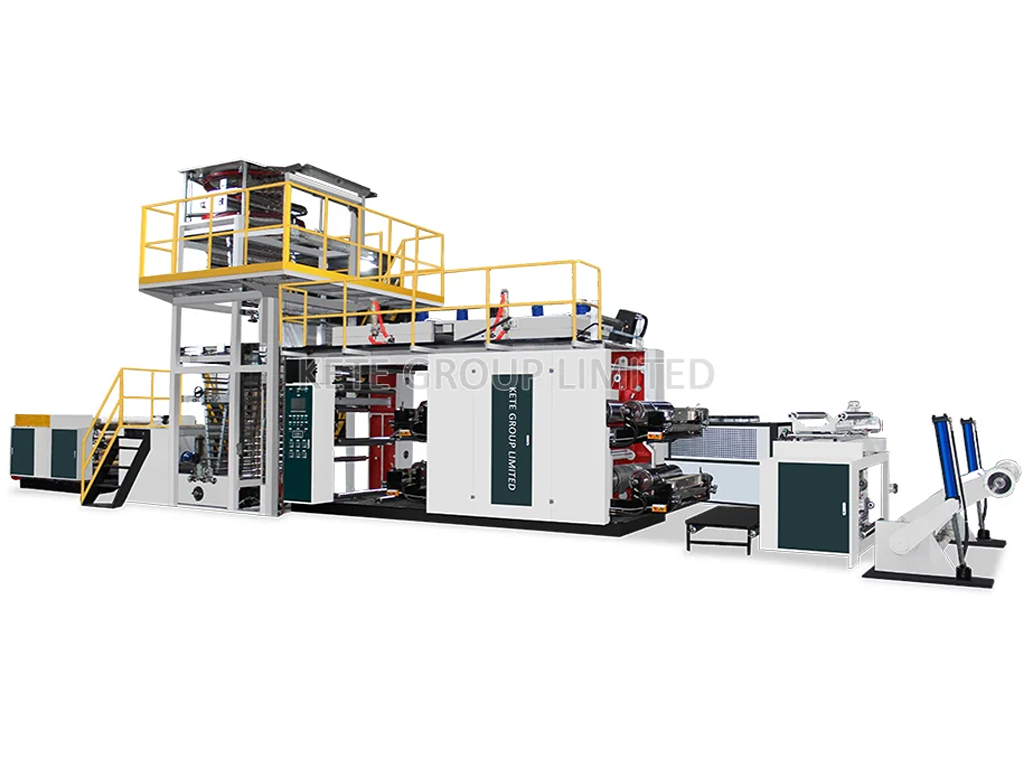
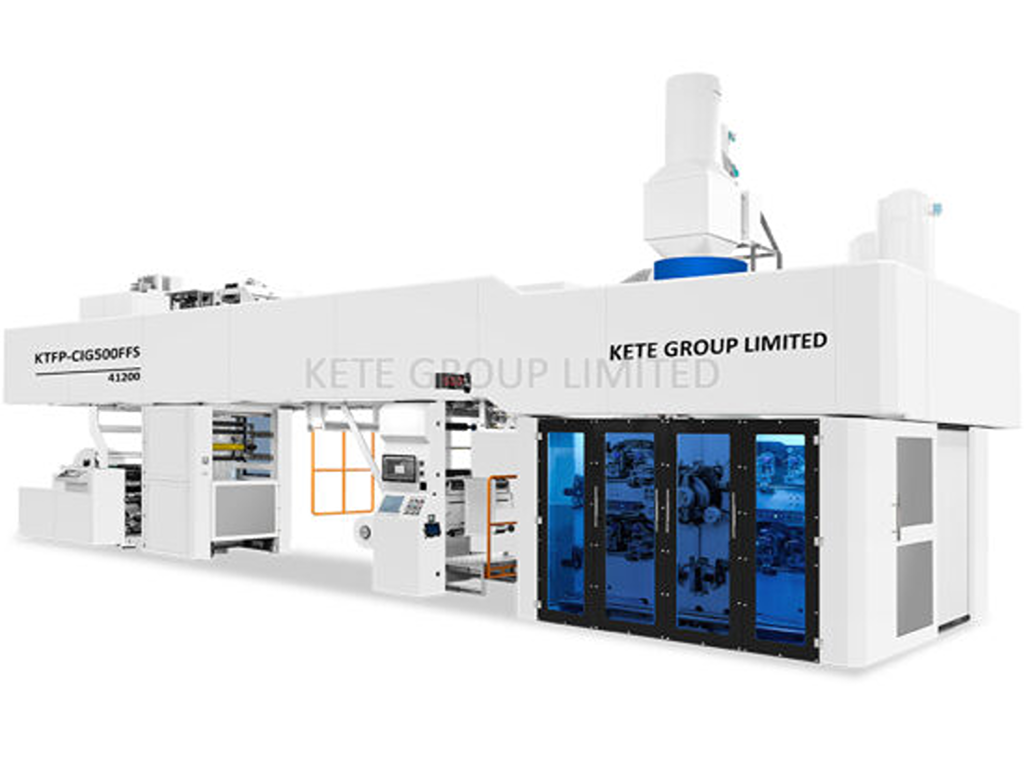
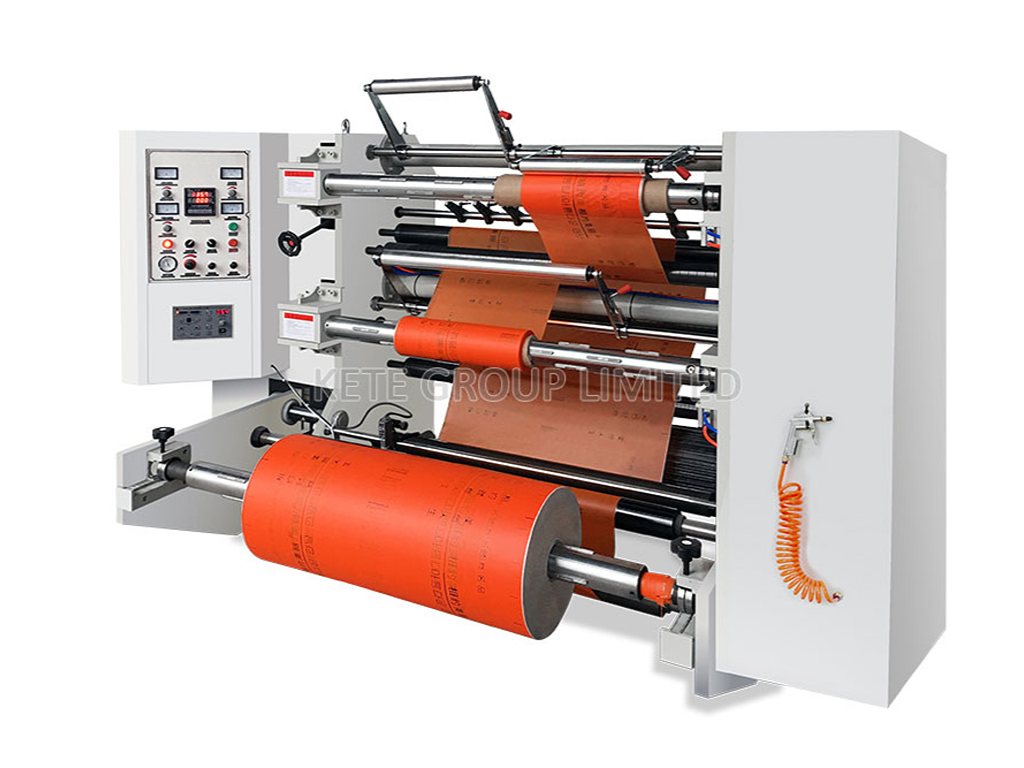
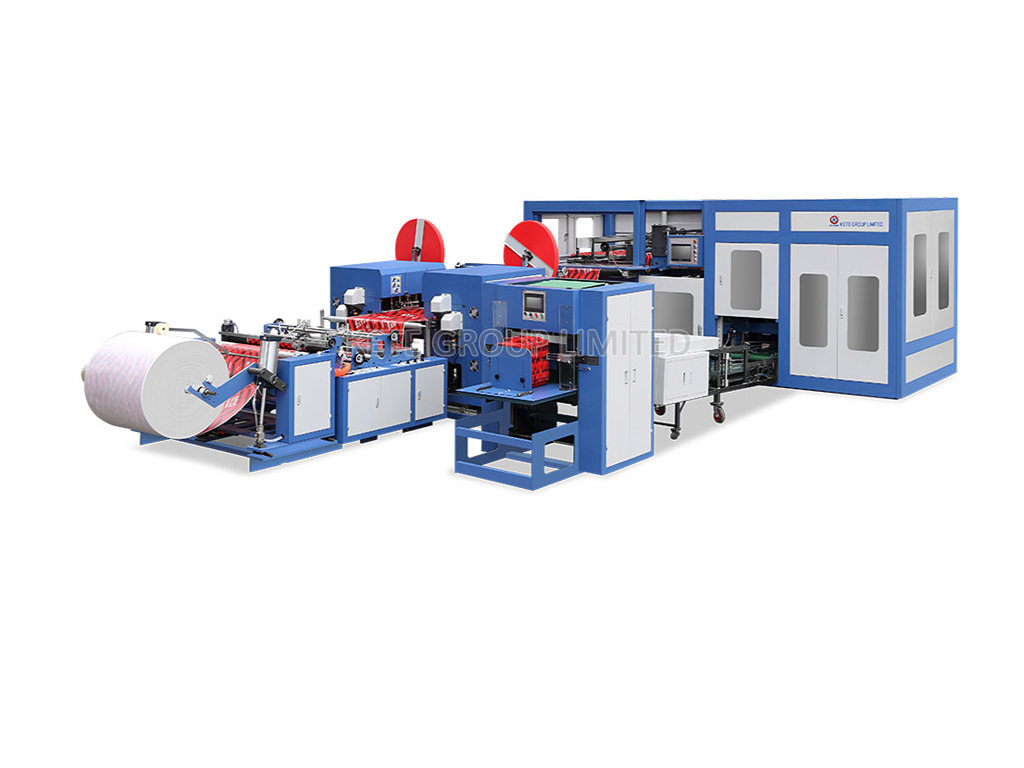
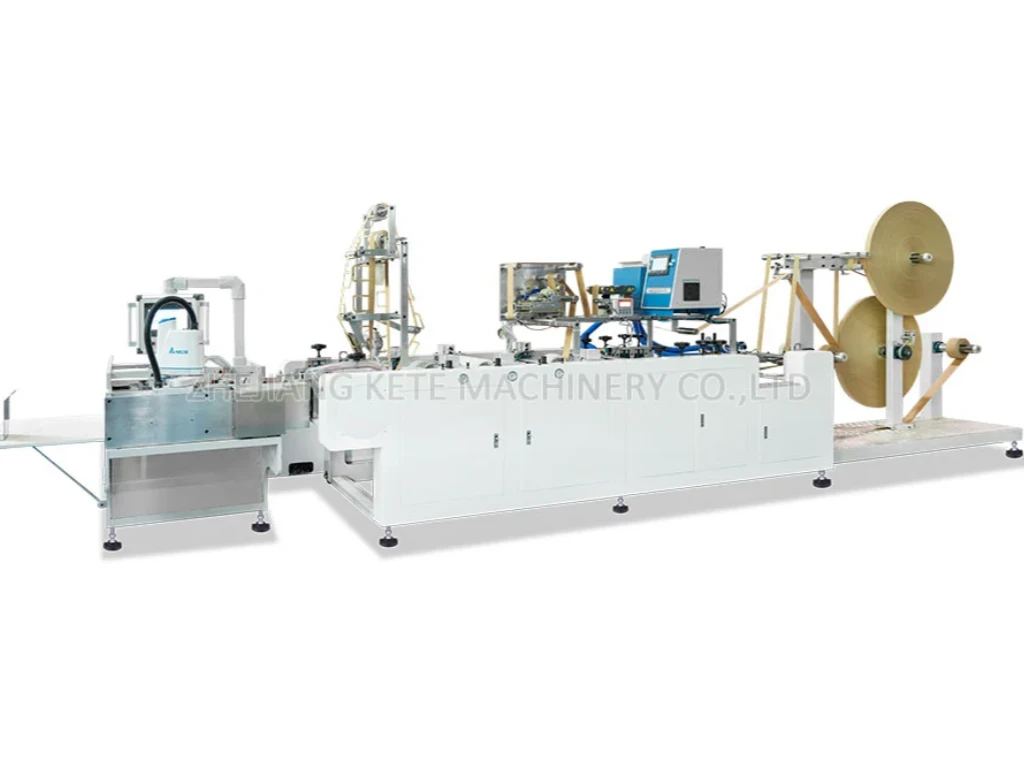
تتناول مجموعتنا كل مرحلة من مراحل العملية. بالنسبة لإنشاء المكونات، نقدم ماكينات متخصصة لصناعة المقابض الورقية الملتوية والمسطحة، إلى جانب وحدات مخصصة لصناعة الحبال الورقية وإعادة لفها. تقوم هذه الأنظمة بتحويل المواد الخام بكفاءة إلى مقابض عالية القوة جاهزة للاستخدام. ويتوج سير العمل بماكينة لصق مقابض الأكياس الورقية KTPM-HP. صُممت هذه الوحدة لتعدد الاستخدامات، حيث تقوم بتطبيق كل من المقابض المسطحة والملتوية على الأكياس ذات القاع المربع بدقة استثنائية.
سواءً كنت تحتاج إلى ماكينة صنع ولصق مقابض الأكياس الورقية المسطحة المستقلة أو خط ماكينات تصنيع مقابض الأكياس الورقية المخصص المتكامل تمامًا، فإن تقنية KETE تضمن لك الاتساق. ومن خلال الدمج الرأسي لعملية التصنيع، نساعد العملاء على التخلص من متغيرات سلسلة التوريد وتحقيق الاستقرار اللازم للإنتاج بكميات كبيرة.
خاتمة
يعتبر مقبض الكيس الورقي من التفاصيل الدقيقة التي لها أهمية مبالغ فيها. فهو يحدد القدرة الاستيعابية للحقيبة، وراحة العميل، وأكثر فأكثر، التأثير البيئي للتغليف.
في حالة الصناعة، فإن الاتجاه واضح. يتحول السوق نحو الحلول القوية والصديقة للبيئة والآلية. لقد انتهى عصر المقابض المختلطة التي تتطلب عمالة كثيفة. ويكمن مفتاح النجاح في هذه الصناعة الآن في القدرة على تصنيع مقابض ورقية عالية الجودة وجميع المقابض الورقية بطريقة فعالة ومتسقة.
إنها مشكلة هندسية وتحتاج إلى حل هندسي. عندما تكون شركتك على استعداد لتحديث إنتاجها، وتقليل الفاقد، وتقديم منتج عالي الجودة لعملائك، فإن المعدات التي تختارها مهمة. إن مجموعة KETE على استعداد للانضمام إليك في هذا التغيير وتقديم تكنولوجيا صناعة المقابض واللصق عالية التقنية التي ستساعدك على ترسيخ مكانتك في مستقبل التعبئة والتغليف.